
The latest round of indirect talks between Israel and Hamas has ended without movement, leaving a proposed Gaza hostage deal at what one source described to the Post as a dead end. After weeks of shuttle diplomacy and quietly floated frameworks, the paths to compromise have narrowed instead of converged, deepening an already grinding stalemate.
For families awaiting word on loved ones and for mediators seeking even a sliver of common ground, the impasse underscores the fragility of every step in this conflict’s diplomatic track. A deal that once seemed within reach-trading phased releases for pauses in fighting and wider humanitarian access-now appears to be receding, with each side signaling red lines rather than openings. What follows may be a reversion to pressure politics and public posturing, unless a fresh lever or new proposal resets the terms. For now, the negotiations stand still, and the cost of that stillness continues to mount.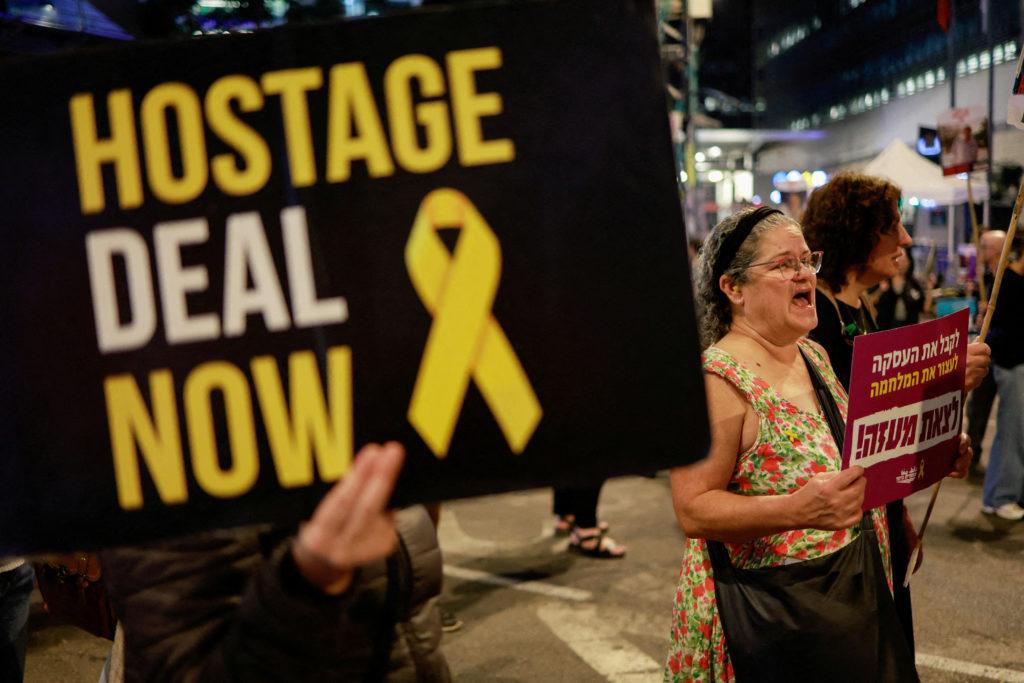
Inside the deadlock sequencing ceasefire duration and prisoner exchange terms
The talks are snagged on the order of steps as much as on their substance: who moves first, for how long, and under what guarantees. Mediators say both parties are locked over sequencing-whether a pause begins before proof-of-life and initial releases, or only after-and over a time horizon that ranges from short, renewable pauses to a multi-week truce. The math of the swap is equally fraught: ratios tied to age and health, categories barred from release, and a verification ladder that includes third-party monitoring, staged checkpoints, and checkpoint-by-checkpoint compliance logs. Even geography is negotiated-redeployment radius, buffer zones, and the reopening cadence of aid corridors-with each clause bundled to another so that a single delay ripples across the entire package.
| Phase | Pause Length | Hostages | Prisoners | Key Trigger |
|---|---|---|---|---|
| Phase I | 3-5 days | Women/elderly | Low-risk detainees | Proof-of-life + aid surge |
| Phase II | 7-10 days | Wounded/civilians | Expanded list | Monitors deployed |
| Phase III | Renewable terms | Remaining captives | High-sentences debated | Redeployment milestones |
Beyond numbers, leverage is embedded in clauses. One side pushes a “snapback” provision-pause ends if violations are verified-while the other seeks an auto-extension-each additional release resets the clock. Lists are another minefield: named individuals vs. categories, the time granted for security vetting, and who adjudicates disputes in real time. Civilian movement and services are tied to each rung: return routes north, fuel and hospital delivery thresholds, and the sequencing of border crossings. The result is a deal architecture that functions like a combination lock: all digits must align-timing, territory, oversight, and exchange ratios-or the mechanism refuses to turn.
- Israel’s priorities: phased releases before longer pauses, exclusion of high-profile prisoners, on-the-ground verification, and limits on armed redeployment.
- Hamas’s priorities: multi-week truce as a baseline, larger prisoner ratios including long sentences, early aid guarantees, and freedom of movement for civilians.
- Mediators’ lever: third-party monitors, escrow-like sequencing, and a calendar that ties extensions to verifiable steps rather than promises.
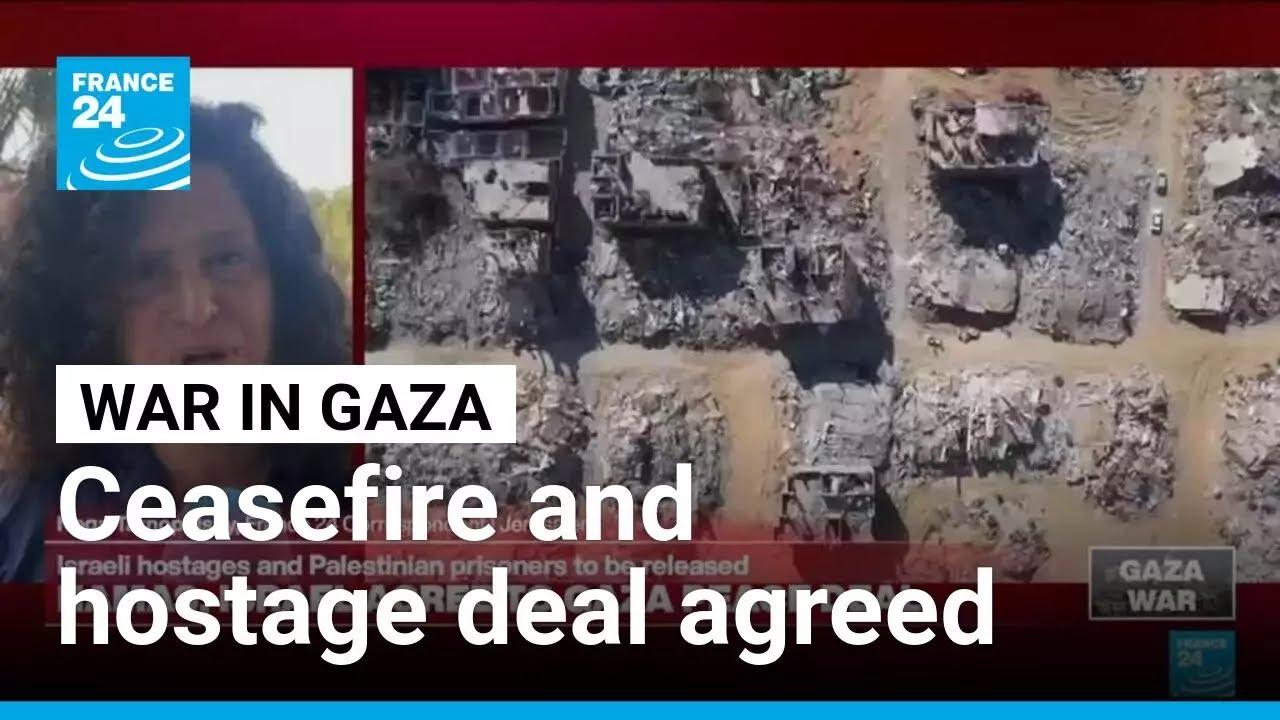
What each side needs to move and the verifiable concessions on offer
Israel is seeking concrete security guarantees and a sequencing plan that ties every pause to a measurable step: named hostages released in defined batches, proof-of-life for those remaining, and third‑party monitoring that prevents fighters from regrouping. Movement would hinge on verified compliance-ICRC access to captives, GPS‑logged handovers at agreed corridors, and open manifests for aid to ensure supplies reach civilians rather than armed units. In return, Jerusalem could consider time‑bound repositioning from specific zones, daylight humanitarian windows, and a calibrated prisoner exchange focused on women, minors, and medical cases-each action locked to a transparent ledger of reciprocal steps.
Hamas wants an enforceable ceasefire pathway, not just a pause, plus guarantees that displaced civilians can return safely, aid flows at scale, and reconstruction mechanisms begin under neutral oversight. It seeks staged IDF withdrawals, protections against re-arrests of released prisoners, and international guarantors-Qatar, Egypt, the U.S., and the U.N.-to certify that each phase leads to the next. In exchange, it could offer proof‑of‑life for all captives, immediate release of vulnerable hostages, return of remains, and clear maps of handover points-verified in real time by monitors and documented via shared timestamps, body‑cam footage, and cross‑checked lists.
- Triggers for Israeli movement: complete proof-of-life roster; first tranche of hostages (women/elderly) transferred; zero rocket launches during pause; monitors deployed at crossings.
- Triggers for Hamas movement: written ceasefire timeline; initial IDF pullback from designated areas; fixed daily aid tonnage; published list of Palestinian detainees slated for release.
- Mutual verification tools: ICRC access logs; UN/WFP truck manifests; synchronized liaison rooms; satellite and AIS tracking for aid corridors.
| Side | Concession | Verification | Window |
|---|---|---|---|
| Hamas | Proof-of-life for all captives | ICRC video checks + named list | 48-72 hrs |
| Hamas | Release women/elderly hostages | ICRC handover at corridor | Day 1-3 |
| Israel | Release women/minor detainees | Published roster + Red Cross buses | Day 1-3 |
| Israel | Scaled aid (400-500 trucks/day) | UN/Egypt manifests + GPS tracking | Daily |
| Both | Localized pauses linked to exchanges | Joint operations room timestamps | Per tranche |
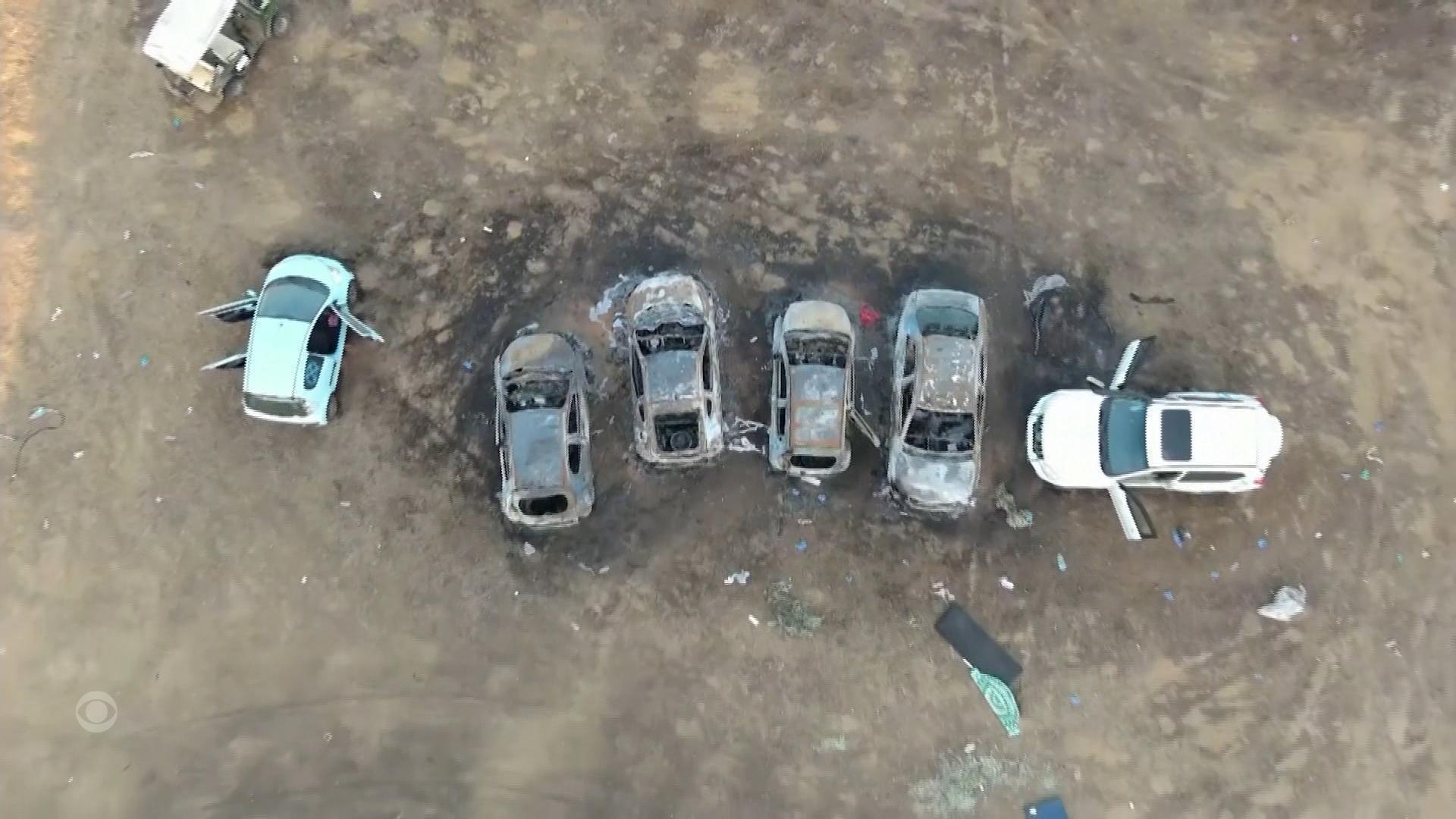
Humanitarian imperatives protecting hostages civilians and uninterrupted aid access
As negotiations stall, the moral calculus remains unchanged: the lives of those in captivity and the safety of noncombatants must be insulated from political brinkmanship. That demands clear, enforceable guardrails rooted in international humanitarian law and verified by independent oversight. The practical core is simple: protect people, prevent harm, and preserve dignity. To operationalize this, stakeholders can commit to a baseline of non-negotiables that withstand pressure and mistrust, including:
- Immediate, regular proof-of-life and medical access for all hostages, with neutral escorts.
- Zero-fire civilian corridors marked and publicized in real time, with digital and physical signage.
- Unimpeded evacuation windows for the wounded and vulnerable, independent of tactical cycles.
- Independent incident logging to document violations and trigger automatic reviews.
Delivering aid without interruption is not a favor; it is an obligation that keeps hospitals powered, water running, and disease at bay. A workable system prioritizes predictability over ad hoc clearance, separating humanitarian logistics from military tempo and rumors. The architecture can be lean yet robust:
- Standing deconfliction cells with shared maps, live corridor coordinates, and hour-by-hour movement schedules.
- Transparent inspection protocols at crossings, coupled with sealed, trackable consignments.
- Guaranteed fuel allotments for water, sanitation, and healthcare-ringfenced from shutdowns.
- Last‑mile neutrality via vetted local networks supervised by international monitors.
When mapped to these standards, each convoy becomes a lifeline, not a negotiation-preserving space for diplomacy while protecting those who cannot wait for it.
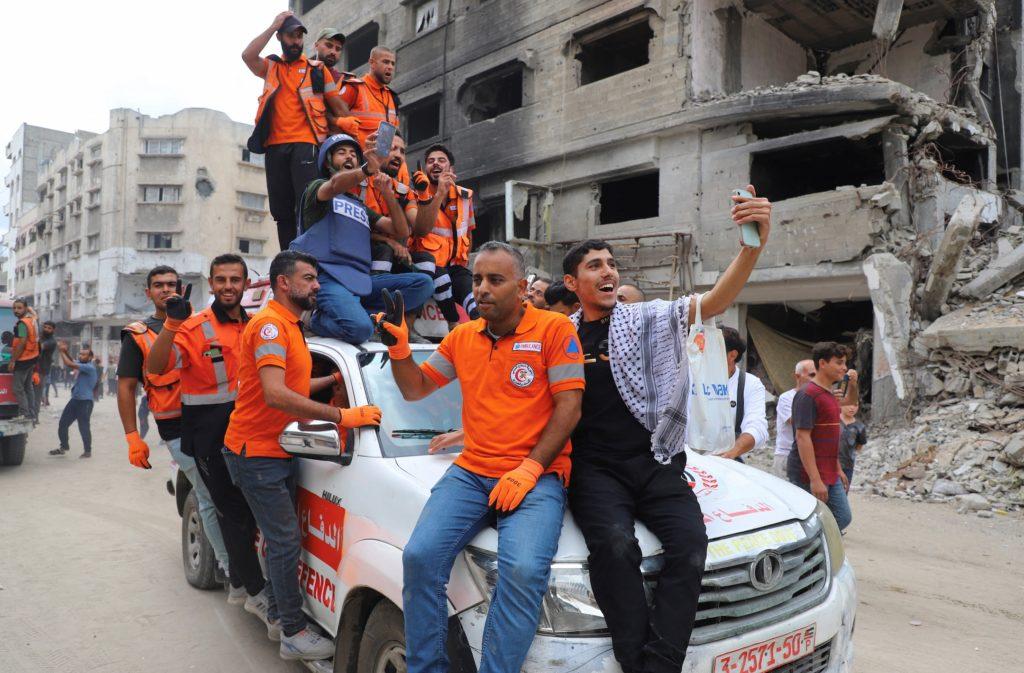
A practical roadmap confidence building steps third party guarantees and monitoring
With formal talks stalled, a practical roadmap can still be built from small, verifiable moves that reduce risk while preserving leverage. Begin with time-bound humanitarian openings, micro-exchanges, and transparent data sharing, all nested in short cycles: commit, verify, expand. Each step should be auditable, reversible, and insulated from maximal demands, so compliance is rewarded while slippage triggers a pause, not a collapse. The goal is to shift momentum toward measurable delivery-facts on the ground, not promises on paper.
- Mutual low‑risk gestures: synchronized aid corridors and medical evacuations matched by the release of women, elderly, and wounded hostages, alongside limited detainee measures.
- Data transparency: verified lists (hostages/detainees) exchanged via the ICRC; shared schedules and GPS‑tagged convoy routes to reduce miscalculation.
- Micro‑truces: 24-72 hour localized pauses linked to specific releases and aid throughput targets; pauses renew only on proof‑of‑delivery.
- Escrowed commitments: guarantors hold phased benefits (fuel, medical stock, reconstruction credits) and release them strictly on verified compliance.
- Communication hygiene: a protected hotline with pre‑set reporting formats to clarify incidents within hours, not days.
| Phase | Deliverable | Guarantor Role | Verification | Timeframe |
|---|---|---|---|---|
| 0 | Pre‑checks & lists | UN/ICRC convene | ID-based cross‑check | 24h |
| 1 | Aid corridor + initial releases | Qatar/Egypt mediate | ICRC witness | 48-72h |
| 2 | Limited swap & expanded access | US/EU escrow benefits | CCTV/biometric logs | 3-5 days |
| 3 | Rolling pause with audits | Consortium scorecard | Satellite + ground | 7‑day cycles |
Third‑party guarantees work best as a layered safety net, not a single promise. A guarantor consortium-Qatar and Egypt on mediation, the UN and ICRC on access and verification, with the US/EU providing conditional economic levers-can issue time‑stamped compliance bulletins, trigger calibrated “snapbacks” for breaches, and publish clear success metrics: numbers released, aid delivered, pauses observed. Monitoring should blend ground verification (ICRC escorts, hospital audits) with remote sensing (shared satellite imagery, convoy telemetry), plus a rapid‑response incident panel that rules within six hours on disputes. This structure does not prejudge end‑state politics; it simply converts fragile intent into short, testable commitments that rebuild a minimal reservoir of trust, one verified step at a time.
Future Outlook
Talks that once inched forward have come to a standstill, and with them the fragile hopes invested in a hostage deal. A “dead end” in diplomacy can be literal or temporary; in this case, it marks a pause filled with recalculation rather than certainty. Public positions harden, private channels narrow, and yet the smallest shift-a word, a signal, a concession-can redraw the map overnight.
For families, time has a weight no communiqué can carry. For mediators, the path ahead is likely granular: incremental steps, confidence-building measures, and the quiet work that rarely makes headlines. Any breakthrough, if it comes, will have been assembled from parts too small to notice until they fit.
Until then, the distance between intention and agreement remains the hardest ground to cross. The clock keeps its own counsel; all eyes stay on the corridors of diplomacy, where even a closed door can sometimes open without a sound.