
A lens fell silent in Gaza. Al Jazeera says one of its cameramen was killed when a drone strike hit a school building, an episode that folds another layer of loss into a war already crowded with it. The circumstances could not be independently verified at the time of writing.
The reported death underscores the narrowing margin of safety for journalists working amid shifting front lines, and renews questions about the protection of civilian infrastructure in conflict. As images remain the world’s conduit to an increasingly inaccessible battlefield, the absence of another witness becomes part of the story-shaping what is seen, and what cannot be.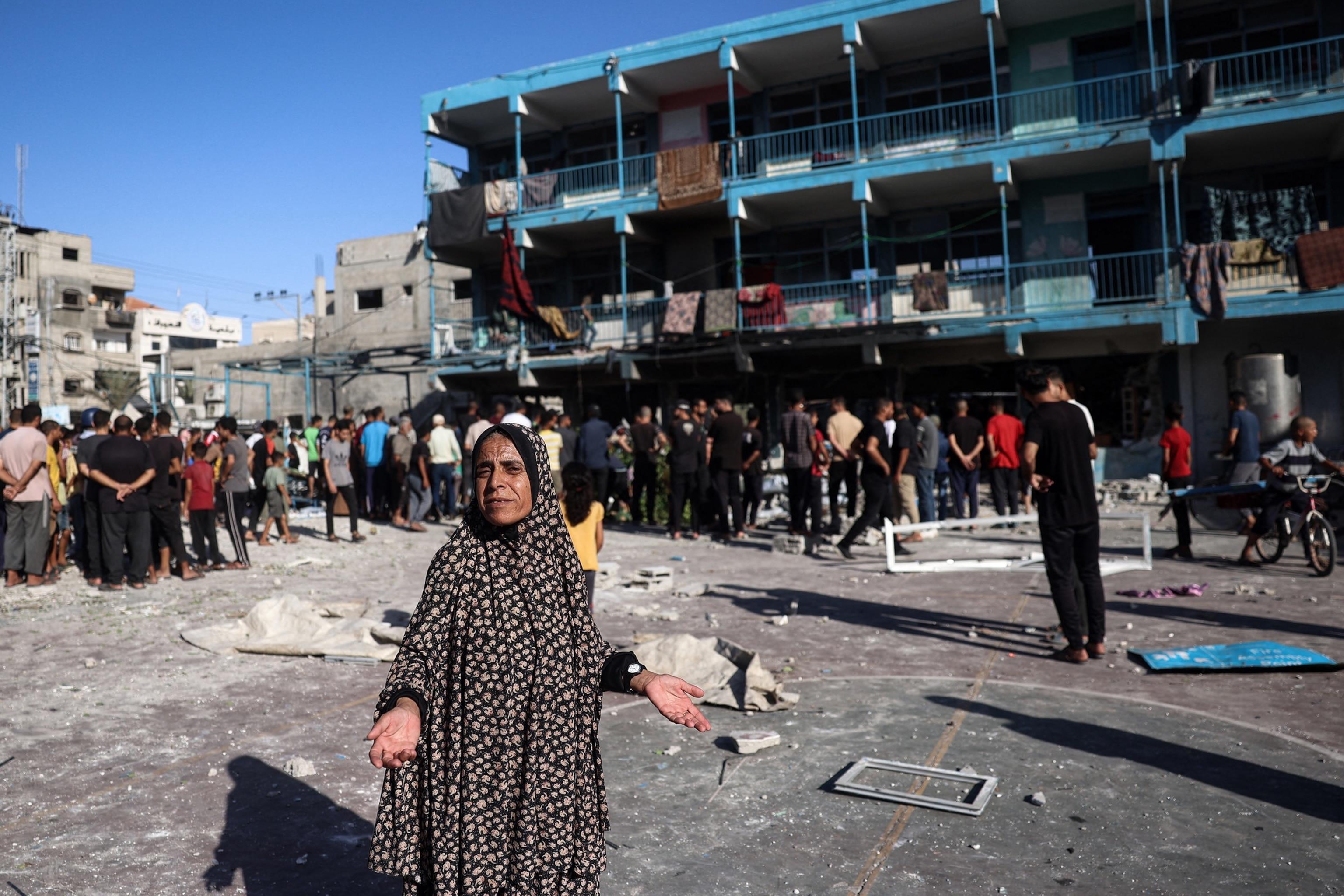
Tracing the facts and gaps in the reported Gaza school drone strike
Early accounts converge on a stark core: a network cameraman working near a school building in Gaza was killed amid an air-to-ground blast that colleagues describe as a drone strike. Surrounding that core, the picture breaks into shards-clips of ashen classrooms, hurried evacuations by civil defense teams, and statements from media partners asserting an attack on press presence. These signals collectively suggest a lethal impact at the site; yet the lines of attribution, timing, and munition type remain contested, with documentation arriving in uneven bursts and from actors with varying levels of access.
- Visual traces: post-blast images of a damaged school facade and debris-strewn corridors
- Eyewitness threads: on-camera recollections from nearby journalists and residents
- Medical signals: hospital intake notices cited by local health officials
- Network statement: confirmation of the cameraman’s death and call for accountability
| Claim | Source | Status |
|---|---|---|
| Cameraman killed at school site | Network, local reporters | Reported; independent verification pending |
| Strike delivered by drone | Eyewitness accounts | Unconfirmed; munition analysis incomplete |
| School’s operational status | Municipal/UN records | Unclear at time of strike |
| Official military account | Press liaison statements | Awaited/partial; details disputed |
The unresolved pieces are as consequential as the reported facts. What remains unknown includes the precise weapon used, the chain of command behind its release, the school’s function at that hour (instruction, shelter, or otherwise), and whether on-the-ground video aligns with verifiable geolocation and time-stamps. Clarifying these gaps will hinge on synchronized evidence-open-source geospatial work, blast-pattern forensics, hospital registries, and any verifiable telemetry or official logs that can anchor a reliable timeline.
- Verification vector: independent geolocation and shadow-based time analysis
- Forensic cues: fragmentation signatures and impact geometry
- Institutional updates: statements from education authorities, UN agencies, and rights monitors
- Accountability track: consolidated incident dossiers for legal and journalistic review
When classrooms become shelters assessing risks to journalists and displaced families
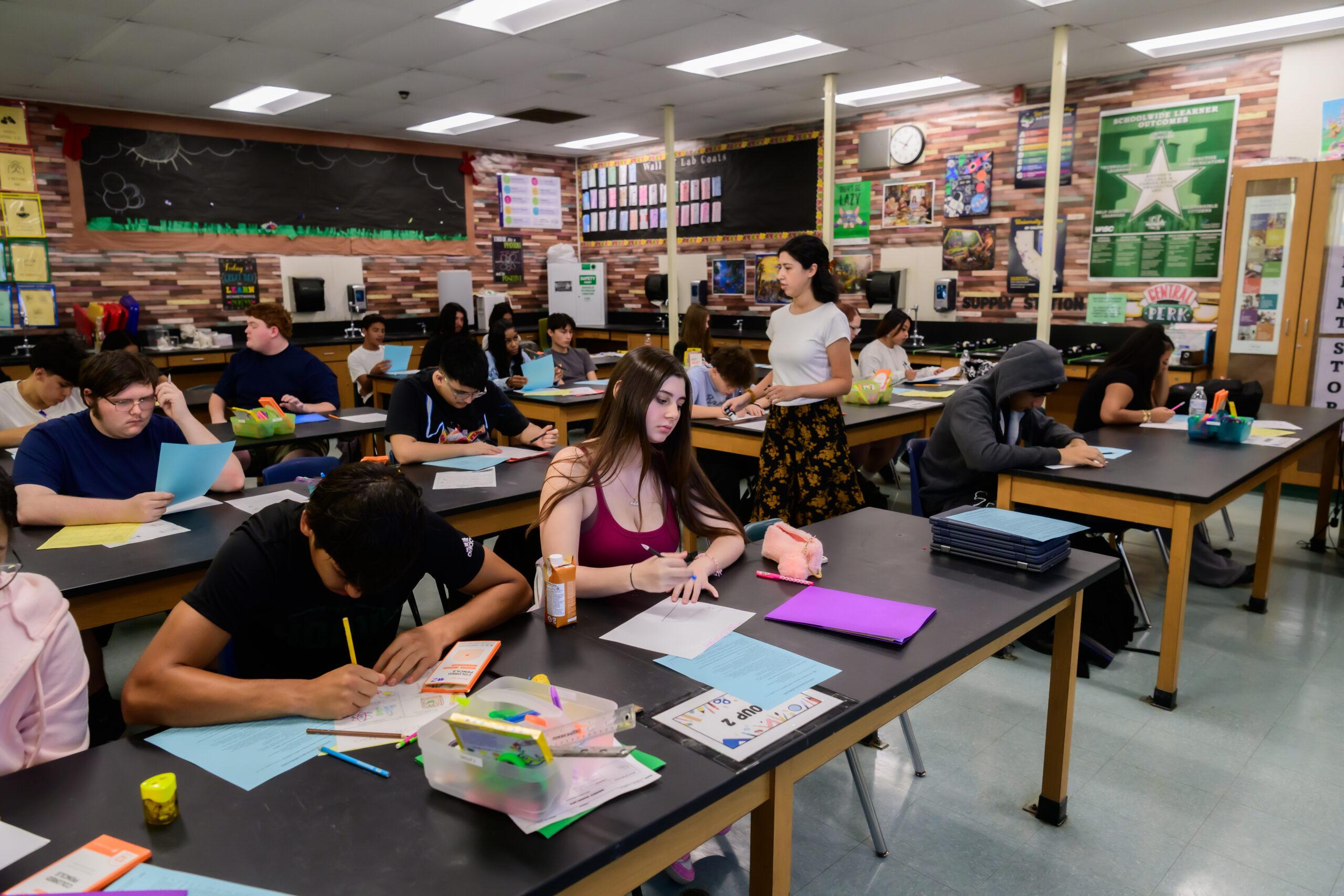
Rows of desks turn into mattresses; a blackboard becomes a wall of names and phone numbers. In these improvised refuges, the presence of cameras and press vests sits beside schoolbags and ration queues, binding two forms of vulnerability into one space. The risks are layered: misidentification, crowding, and fragmentation hazards converge with the volatility of fast-moving operations that do not always distinguish between signals, shapes, or intent. When news-gathering enters a building meant for children, every corridor is both a story and a potential blast path; every window offers light and, under fire, exposure. The ethical calculus grows heavier-documenting suffering without magnifying harm-and so does the logistical one, where seconds, angles, and proximity decide who is seen and who is safe.
| Group | Primary Exposure | Immediate Need |
|---|---|---|
| Journalists | Targeting/misidentification | Clear marking & deconfliction |
| Displaced families | Blast, debris, panic spread | Protected space & quiet zones |
| First responders | Access bottlenecks | Safe corridors |
- Visibility: Press identifiers compete with dust, angle, and distance; what is obvious at two meters is invisible at two hundred.
- Density: Overcrowding magnifies shockwaves and stampedes, turning minor impacts into major casualties.
- Proximity: Shelters can sit near communications nodes or thoroughfares, increasing exposure without intent.
- Narrative load: Filming grief reshapes behavior; a lens can soothe, alarm, or draw unwanted attention.
- Continuity: Prolonged stays create patterns-predictability that can be read, tracked, or misread.
Reducing harm demands a choreography that respects both testimony and protection: separation of filming and resting areas, transparent access protocols agreed with community coordinators, and time-limited presence that avoids creating routines. Consent must be active and revisitable, particularly for children and those in shock; identities require privacy safeguards when public exposure could extend danger beyond the blast radius. For editors and field leads, a living risk matrix-updated as signals, strikes, and civilian flows change-keeps coverage from becoming another vector of peril. The work is to witness without widening the target, to report the truth while leaving the least trace.
What the law requires protections for schools and the press in armed conflict
International humanitarian law draws a bright line around civilian life and infrastructure. Schools are civilian objects and must not be attacked unless and for such time as they become military objectives; even then, the rules of distinction, proportionality, and precautions in attack apply, including verification of targets and effective advance warning where feasible. Journalists on dangerous professional missions are considered civilians under Additional Protocol I (Article 79) and enjoy protection from attack; war correspondents accredited to armed forces are entitled to POW status if captured (GC III). These safeguards operate alongside human rights guarantees-such as freedom of expression under the ICCPR-which continue to inform conduct during hostilities.
An accountability framework reinforces these duties. Intentionally directing attacks against buildings dedicated to education-when not used for military purposes-can constitute a war crime under the Rome Statute. The UN Security Council has condemned violence against media and education through resolutions like 1738 and 2222 (journalists), and 1998 and 2601 (schools). States and armed groups must take feasible precautions to minimize harm, use deconfliction mechanisms, and investigate alleged violations. Political commitments such as the Safe Schools Declaration urge restraint from using schools for military purposes, while press safety standards stress visibility measures without compromising civilian status.
- Geneva Conventions & Additional Protocols I/II: civilian protection, journalists’ status, precautionary duties
- Customary IHL: distinction, proportionality, indiscriminate attacks prohibited
- UNSC Res. 1738 & 2222: protection of journalists and media workers
- UNSC Res. 1998 & 2601: protection of schools and education in conflict
- Rome Statute Art. 8(2)(b)(ix): attacks on education buildings as potential war crimes
- ICCPR Art. 19: freedom of expression during emergencies, subject to strict limits
- Safe Schools Declaration: non-binding standards to reduce military use of schools
| Object/Actor | Baseline Status | Loss of Protection | Key Duty on Attacker |
|---|---|---|---|
| Schools | Civilian object | If used for military purposes | Verify, warn, and assess proportionality |
| Journalists | Civilian | Only if directly participating in hostilities | Presume civilian status; avoid targeting |
| War Correspondents | POW if captured (GC III) | – | Humane treatment; no attack as civilians |

From investigation to prevention practical steps for authorities and newsrooms to reduce harm
Turning verified findings into safeguards demands that state institutions and armed actors embed prevention into everyday operations. That means moving from reactive statements to time-bound inquiries, real-time deconfliction, and civilian-protection by design. Protected sites such as schools and media facilities should sit on dynamic no‑strike layers with enforced buffers, while transparency mechanisms make oversight routine, not exceptional.
- Launch an independent incident review within 72 hours; publish redacted outcomes in 7 days with an action log.
- Maintain live, encrypted deconfliction maps that include schools, hospitals, and registered press positions with a 300m safety buffer.
- Apply weapon geo‑fencing and “last‑mile” human authorization for any strike near protected zones.
- Stand up a 24/7 hotline linking operations rooms with accredited editors and safety leads.
- Declare predictable humanitarian quiet hours and verify pauses via third‑party monitoring.
- Appoint a family liaison and survivor support pathway; fund reparations where fault is found.
- Release strike logs and telemetry to an ombud or court under chain‑of‑custody protocols.
- Mandate IHL and press‑marker recognition training; sanction breaches and publish compliance rates.
| Measure | Owner | When |
|---|---|---|
| No‑strike list refresh (schools/press) | Operations Command | Daily |
| Deconfliction hotline test | Joint Ops + Editors | 08:00/20:00 |
| Incident summary release | Attorney General | Day 7 |
| Training audit (IHL/ROE) | Inspector General | Monthly |
Newsrooms can shrink risk without silencing coverage by elevating duty of care to the level of editorial urgency. Build a safety stack that blends pre‑deployment risk gates, HEFAT and PPE standards, disciplined comms, and ethical publication controls that minimize secondary harm to families, sources, and communities-especially around schools, shelters, and medical sites.
- Use a go/no‑go matrix requiring dual approval (editor + safety lead) for each field move.
- Plan routes with daily heat maps; vary timings and ingress/egress to avoid patterns.
- Enforce encrypted check‑ins every 30 minutes with a dead‑man switch escalation tree.
- Strip geotags and delay publishing from protected sites until safe or families are notified.
- Blur faces/identifiers of minors and civilians; avoid roofline or landmark reveals.
- Pair freelancers with vetted fixers under written briefs; issue Level IV plates, helmets, and tourniquets.
- Stand up a crisis desk to monitor air alerts and deconfliction channels; maintain an extraction plan.
- Run after‑action reviews and trauma‑informed debriefs within 48 hours of any incident.
| Field Checklist | Tool/Standard |
|---|---|
| Check‑in interval | 30 min via Signal |
| PPE level | Helmet + Level IV plates |
| Map safety overlay | No‑strike + buffer zones |
| Data hygiene | EXIF scrub + location delay |
In Retrospect
As accounts continue to be gathered and verified, the picture of what happened at the school remains incomplete. Access is limited, narratives diverge, and the facts will have to withstand the scrutiny of time, documentation, and independent review.
What is clear is the enduring precarity of reporting from conflict zones, where the pursuit of testimony can collide with the risks of the battlefield. Press freedom groups have long warned that when those who document events are imperiled, the public’s view narrows and the historical record thins.
Further details may emerge in the coming days. Until then, this incident sits alongside many others in a ledger that is still being written, a reminder that the work of bearing witness does not end when the camera stops.