
As fighting between Israel and Hamas grinds on, United Nations agencies are bracing for a potential surge in Palestinian refugees-a movement that could redraw humanitarian priorities across the region. The prospect is not yet a line on a map, but a set of urgent calculations: border capacity, aid corridors, shelter space, and the pace at which families can move versus the speed of the conflict itself.
From the densely populated Gaza Strip to crowded checkpoints in the West Bank, displacement is accelerating, and the margin for safe passage is narrowing. UN bodies and their partners are updating contingency plans, neighboring states are weighing policies under intense pressure, and the global relief system is preparing for another test of scale and endurance.
This article explores what the UN expects, how a refugee wave might unfold, the constraints shaping it, and what it would mean for host countries and international aid efforts in the weeks ahead.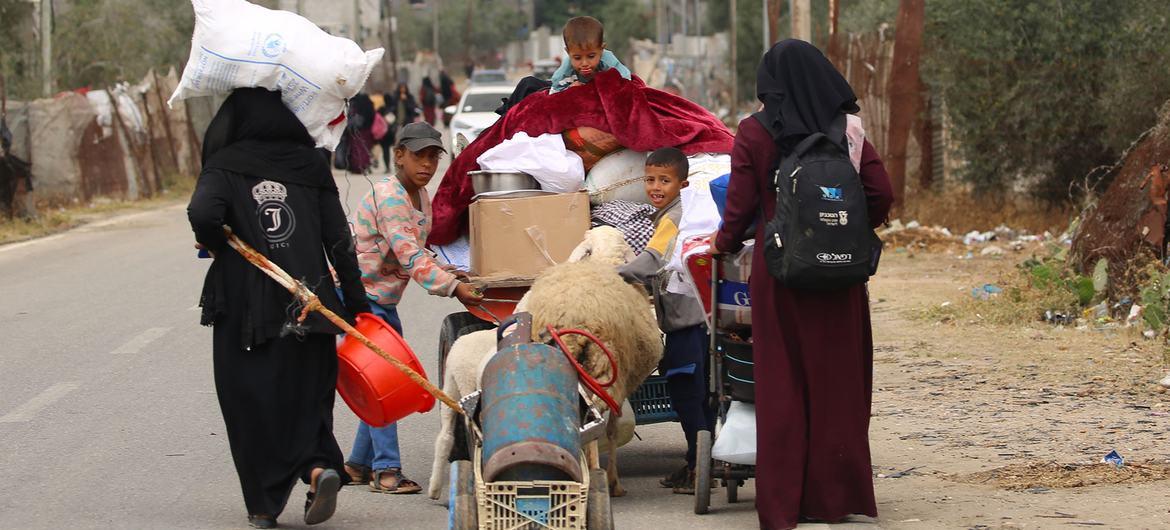
UN Outlook on Mass Displacement and Likely Routes Out of Conflict Zones
UN agencies signal a sharp rise in population movements as hostilities intensify, with contingency plans scaling from localized sheltering to cross-border evacuations if access opens. The operational posture centers on layered pathways that prioritize civilian protection, voluntary movement, and strict adherence to non-refoulement. Coordination between UNRWA, OCHA, UNHCR, WHO, and partners pivots on phased triggers-humanitarian pauses, deconfliction maps, and corridor verification-to move the most vulnerable first while preserving family unity. Likely passageways under assessment include:
- Rafah (Egypt): Primary gateway for medical evacuations, aid backflow, and potential temporary protection intake.
- Jordan via the Jordan Valley: Contingent cross-point with onward transit to Amman processing hubs.
- Maritime shuttles (Eastern Mediterranean): Limited, escort-dependent sea lifts for medevac and humanitarian cargo.
- Northern exits toward Lebanon: Low-probability, high-risk routes, monitored for spillover dynamics.
- Intra-Gaza relocations: Short-haul moves to UN-designated shelters pending safe passage windows.
If an evacuation framework is authorized, flows would be sequenced through triage-driven manifests-wounded, children, older persons, and pregnant women first-using biometrics, reunification protocols, and neutral monitoring. Transit architecture would lean on Al Arish and Ismailia (Egypt) and Amman (Jordan) as staging nodes, with airbridge links to Larnaca and potential EU emergency admission schemes. Anticipated bottlenecks include fuel scarcity, communications blackouts, and convoy security. A snapshot of current route assumptions:
| Route | Status | Throughput/day | Main Risks |
|---|---|---|---|
| Rafah (to Sinai) | Intermittent | 1,000-3,000 | Airstrikes, vetting delays |
| Jordan corridor | Contingent | 500-1,500 | Border capacity, permits |
| Sea shuttles | Pilot | 100-300 | Escort, weather, docking |
| Internal sheltering | Active | 5,000+ | Overcrowding, supplies |
- Immediate UN priorities: fuel access for hospitals, deconfliction for aid convoys, rapid communications restoration, and scalable WASH kits at transit points.
Border Realities for Egypt Jordan and Lebanon and Practical Options for Safe Lawful Passage
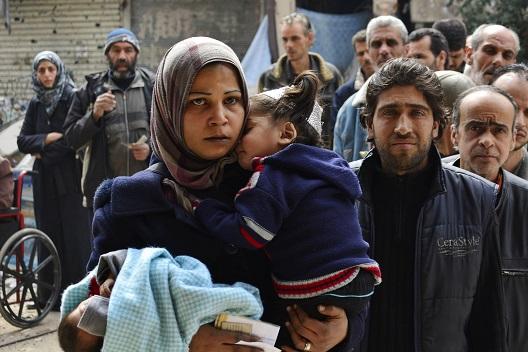
Egypt: The Rafah gateway opens erratically for aid convoys, medical evacuations, and pre-cleared lists coordinated through Egyptian authorities, UN agencies, and the ICRC. Security vetting is stringent, and commercial entry is largely suspended. Jordan: Access typically runs via the Allenby/King Hussein Bridge for West Bank crossings; for Gazans, overland routes require multi-authority clearance and are currently highly constrained, with exceptions focused on medical cases and family reunification. Lebanon: The southern frontier along the Blue Line remains tightly sealed; sea routes are unsafe and unlawful, and Beirut’s economic strain means stricter entry controls, with limited humanitarian exceptions overseen by UN and state counterparts.
| Border/Gate | Status | Priority Cases | Primary Contact | Docs |
|---|---|---|---|---|
| Rafah (EGY) | Intermittent | Medical, Aid Staff | UNRWA, ICRC, Gov. Egypt | ID, Medical Referral |
| Allenby/King Hussein (JOR) | Restricted | Family Reunification | Jordan MFA, Embassies | Passport, Proof of Kin |
| Lebanon South | Sealed | Rare Exceptions | UN Agencies, LAF | UN File, Clearance |
- Conditions change rapidly; movement depends on security assessments and bilateral agreements.
- Humanitarian corridors, when announced, are time-bound and require prior registration.
- Sea crossings and informal routes are unsafe and unlawful; avoid smugglers.
- Expect layered screenings: health checks, identity verification, and purpose-of-travel validation.
Lawful movement hinges on coordination and documentation. Begin with registration or verification through UNRWA (for Palestine refugees) and liaise with UNHCR/IOM where applicable for protection or evacuation mechanisms. Seek embassy support for humanitarian visas, medical evacuation referrals, or family reunification dossiers; community organizations can assist with case files and translation. Use official hotlines only, maintain a digital and paper trail, and plan for temporary shelter and communications along designated routes while adhering to host-country law and border force directives.
- Contact first: UNRWA field office, ICRC tracing, relevant embassy consular desk.
- Prepare a compact file: IDs, family records, medical notes, photos, contact list, consent letters.
- Verification: Confirm crossing windows, assembly points, and convoy manifests 24-48 hours prior.
- Health & safety: Prescriptions, essential supplies for 72 hours, and emergency contacts.
- Data backups: Encrypted copies of documents on phone and cloud; power bank and SIM options.
Immediate Humanitarian Priorities Shelter Health Water and Protection with Measurable Delivery Goals
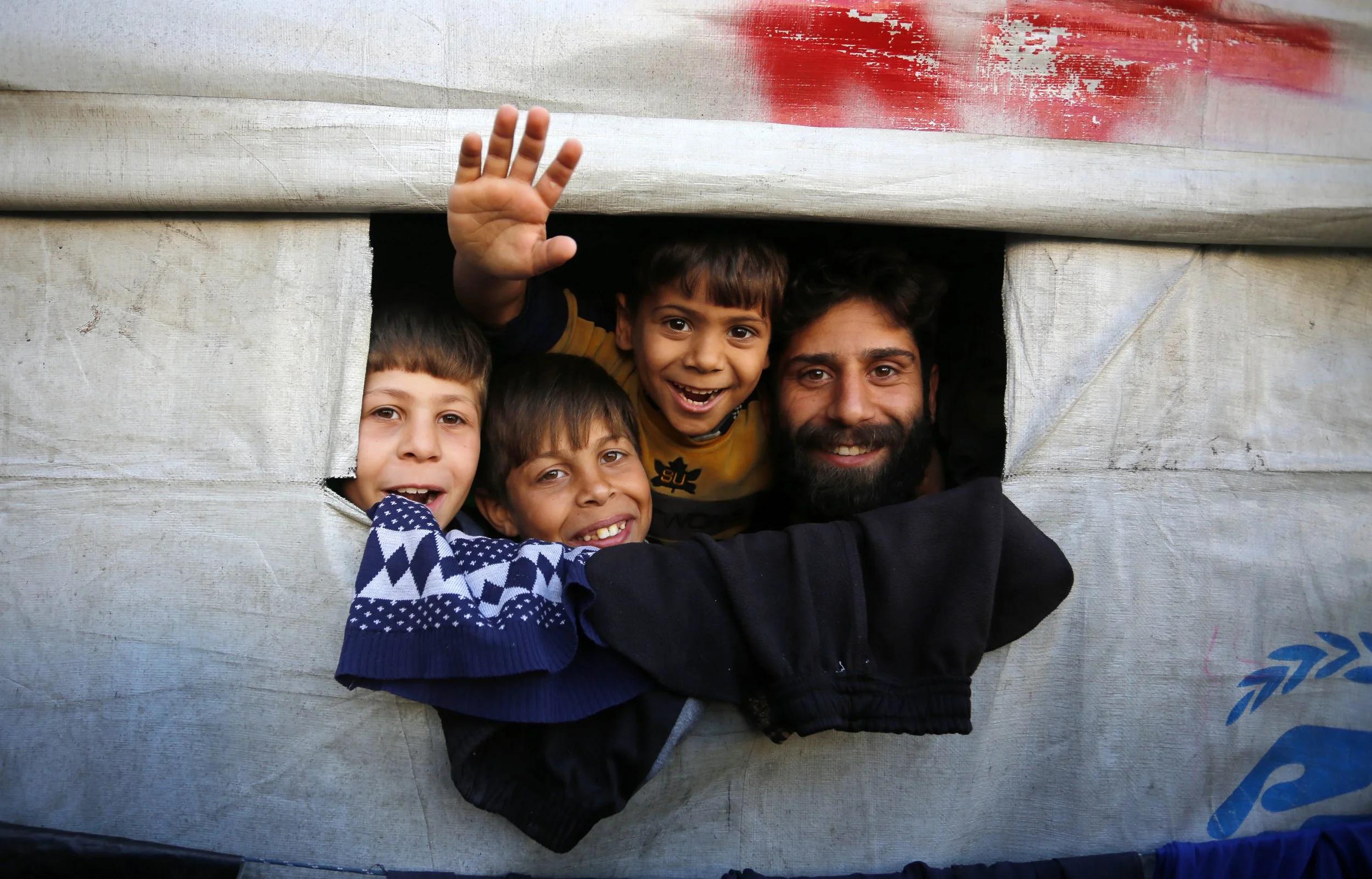
As displacement accelerates, relief teams are sequencing life-saving support so families can find safety, dignity, and stability the moment they cross a checkpoint or reach a host community. Field hubs will bundle essential services-temporary shelter, primary care, safe water access, and safeguarding-while mobile teams extend coverage to informal sites and transit points. Special attention centers on children, older people, persons with disabilities, and those at risk of exploitation.
- Emergency shelter: family-sized tents, winter kits, lighting, and site planning to reduce overcrowding.
- Health surge: triage, trauma supplies, maternal care, vaccination catch-up, and mental health first aid.
- Safe water & sanitation: trucking, bladder tanks, chlorination, hygiene kits, and gender-safe latrines.
- Protection services: child-friendly spaces, case management, PSEA reporting, and legal documentation support.
- Inclusive access: translation, disability-friendly facilities, and cash where markets function.
Delivery will be tracked against clear, time-bound targets, with community feedback loops and open dashboards guiding course corrections. Local NGOs and municipal partners are central to last-mile logistics, while coordinated pipelines move supplies through multiple corridors to avoid bottlenecks. The table below outlines near-term outputs designed to translate pledges into measurable impact.
| Timeframe | Target | Metric | Lead |
|---|---|---|---|
| 72 hours | Family shelter | 10,000 tents erected | Shelter Cluster |
| 72 hours | Critical care | 80% of urgent cases triaged | Health Cluster |
| 7 days | Safe water | 500 WASH points operational | WASH Cluster |
| 7 days | Protection access | 24/7 hotline + 20 help desks | Protection Cluster |
| 14 days | Hygiene coverage | 150,000 kits distributed | NGO Consortium |
| 30 days | Cash assistance | 100,000 people reached | Cash WG |
Policy Roadmap Temporary Protection Humanitarian Visas Increased Funding and Support for Host Communities
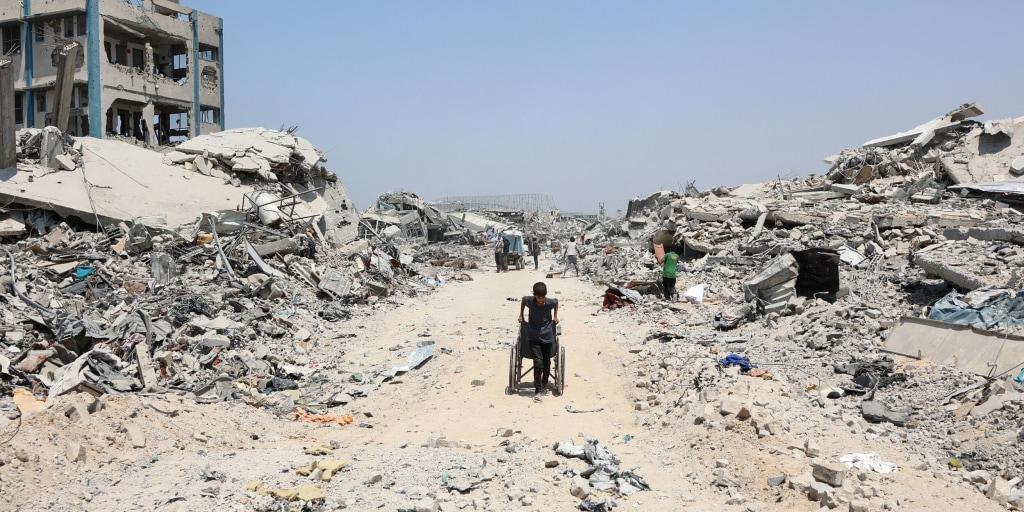
As displacement intensifies, governments can open lawful, predictable pathways that are swift and safe. A regional protection compact should grant time-bound stay, basic services, and, where feasible, access to the labor market, paired with expedited consular channels for those at acute risk. Prioritization must be transparent-families, unaccompanied children, survivors of violence, and those needing urgent medical care-underpinned by due process, data privacy, and community sponsorship options that mobilize diaspora and civil society. Building interoperable registration and case management, portable benefits, and mutual recognition of screenings will reduce duplication and keep people moving through the system with dignity.
- Temporary status: 12-24 month renewable protection, access to education and primary health, cash assistance tied to vulnerability, and protection against refoulement.
- Humanitarian visas: Fast lanes at consulates, simplified evidence, fee waivers, mobile biometrics, and secure transit/evacuation corridors coordinated with airlines and neighbors.
- Safeguards: Non-discrimination, child protection standards, GBV risk mitigation, legal aid, and culturally appropriate information in multiple languages.
- Coordination: UNHCR/IOM/OCHA joint cell, interoperable data with privacy-by-design, clear referral pathways, and language access at every touchpoint.
| Phase | Lead | Key metric |
|---|---|---|
| 0-30 days | UNHCR + host gov. | Avg. processing ≤ 10 days |
| 1-6 months | Municipalities + NGOs | Reception occupancy < 85% |
| 6-12 months | Dev banks + ministries | 70% work permits issued |
Stability for both newcomers and neighbors hinges on predictable, front-loaded financing that reaches city halls, clinics, and classrooms quickly. A pooled, flexible fund-backed by development banks and donors-should use a burden-sharing formula (population, GDP, proximity) to underwrite municipal grants, rental support that prevents price spikes, school double shifts, primary care surge staffing, and water/waste systems. Social cohesion must be funded from day one: host-community cash grants, local procurement, support for women- and youth-led organizations, and evidence-based messaging that counters stigma. Embed accountability through transparent dashboards, grievance mechanisms, and independent monitoring-so every dollar can be traced to outcomes like safer shelters, shorter waiting times, and rising employment.
Closing Remarks
As the conflict grinds on, the UN’s projections read less like prophecy than planning: where will those who cannot stay go, and who will help them get there? For families, the horizon is measured in crossings, shelters, and aid convoys; for neighboring states and donors, in visas, budgets, and political bandwidth. The answers will reshape not only security calculations but the region’s human geography for years to come.
For now, officials speak in the conditional-if corridors open, if funding arrives, if guarantees hold-while decisions on the ground are made in the present tense. Between those timelines lies the test of the international system: to reduce risk, uphold protections, and keep a return path imaginable, however narrow. The map is crowded with uncertainty. What remains clear is the scale of need, and the urgency with which the world will be asked to meet it.