
The clock is ticking across a tense regional landscape. In a message that blends urgency with unmistakable clarity, former U.S. President Donald Trump has told Jordan’s King Abdullah II that all hostages must be released by Saturday. The demand, stark in its simplicity and compressed timeline, drops into an already crowded field of diplomatic efforts, humanitarian appeals, and fraught back-channel negotiations.
For Amman, Washington, and capitals in between, the weekend deadline underscores how swiftly humanitarian imperatives have become inseparable from strategic calculations. Jordan, a pivotal interlocutor with deep ties across the region, finds itself at the nexus of expectations and pressures that extend far beyond its borders. Whether Trump’s call reshapes the negotiating table or merely sharpens its edges, it casts a fresh spotlight on a crisis measured moment by moment, with lives and leverage bound tightly together.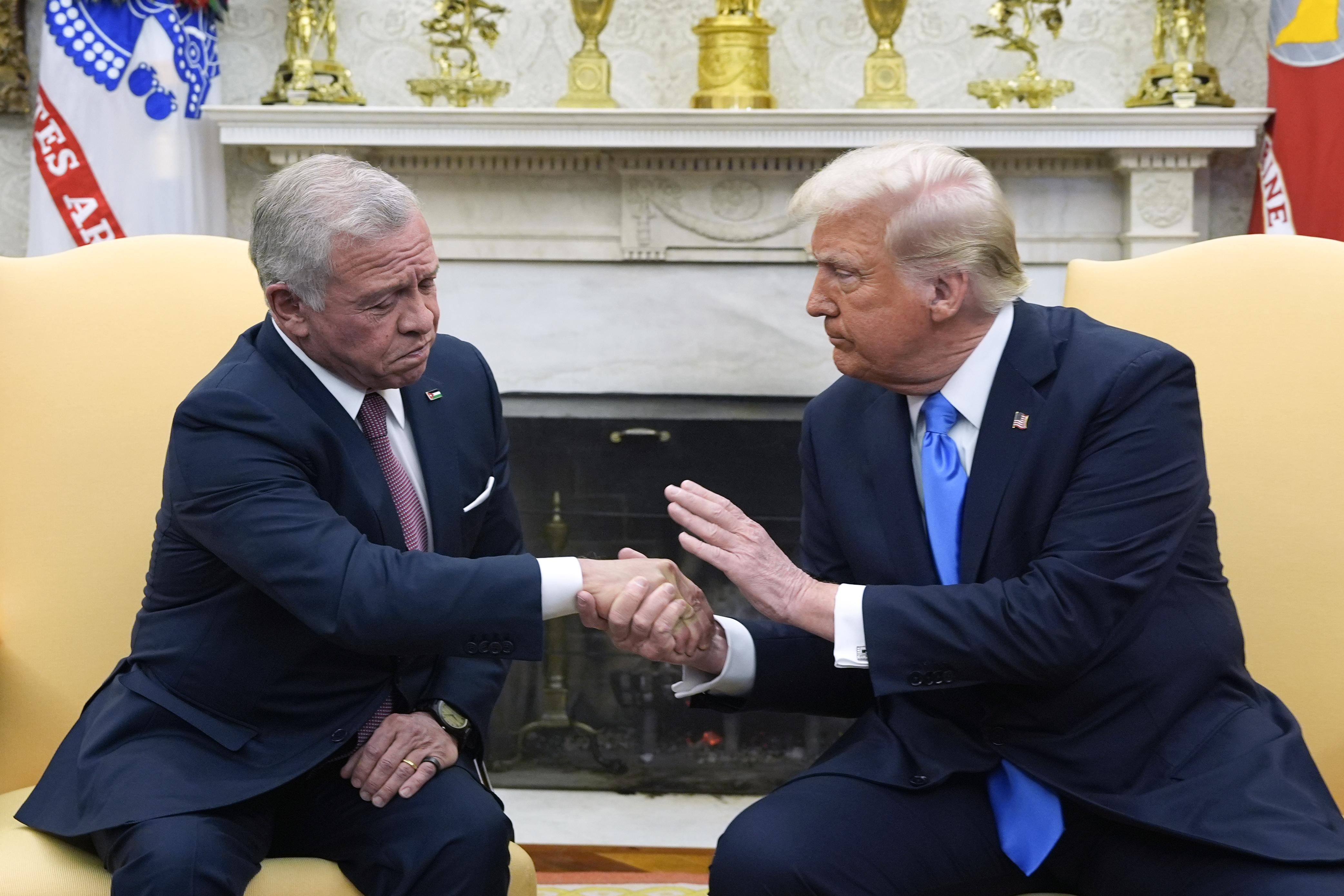
Ultimatum in focus Understanding the message to King Abdullah and the Saturday deadline
Framed as a high-stakes demand, the message to King Abdullah II compresses a sprawling crisis into a single point of decision: release all hostages by Saturday. By fixing a clear deadline, ambiguity is traded for accountability, making the timetable itself a lever of influence. The choice of recipient is equally pointed-Amman sits at the nexus of diplomacy, humanitarian coordination, and regional security-turning a single line in the sand into a test of networks, leverage, and political will under pressure.
- Urgency marker: a precise, near-term deadline that concentrates attention.
- Scope: “all hostages” signals no carve-outs or partial measures.
- Channel: public framing designed to amplify pressure and visibility.
- Leverage: consequences left implied, inviting rapid recalculation.
| Aspect | Snapshot |
|---|---|
| Deadline | Saturday |
| Demand | Release all hostages |
| Addressee | King Abdullah II |
| Modality | Public ultimatum |
| Levers | Diplomatic, economic, rhetorical |
| Risk | Escalation, backlash |
- Signals to watch: movement in mediation channels and verification terms.
- Coordination nodes: Amman’s outreach to regional and international partners.
- Public cues: statements that preview sequencing or partial compliance.
- Backstops: contingency language indicating next steps post-deadline.
Outcomes now hinge on pace and choreography: whether back-channel talks can match a televised clock, and whether verification protocols and humanitarian safeguards can be assembled in hours rather than weeks. For Jordan, the calculation blends domestic stability with regional credibility; for the initiator, it’s a demonstration of resolve built for maximum exposure. If movement comes, expect phased releases, high-velocity shuttle diplomacy, and carefully sequenced statements-each calibrated to the ticking timetable and the stark, all-or-nothing clarity of the demand.
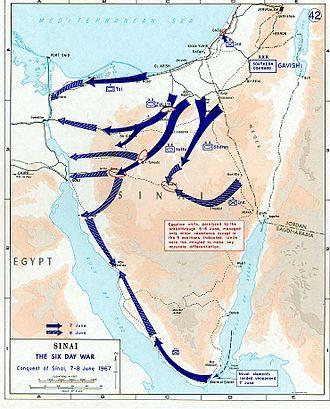
Regional stakes Mapping implications for Jordan Israel Gaza and the United States
A Saturday deadline reframes the chessboard, compressing diplomatic timelines and sharpening domestic pressures in Amman, Jerusalem, Gaza, and Washington. For Jordan, the calculus pivots on street sentiment, security coordination, and refugee burden management-balancing a firm stance against militancy with the need to keep borders calm and trade flowing. Israel’s choices revolve around the hostages-to-truce ratio, deterrence signaling, and coalition stability, with military tempo matched against intelligence-driven extraction options. In Gaza, humanitarian corridors, ceasefire sequencing, and internal factional dynamics collide with the logistics of verification and safe passage. The United States faces credibility tests as broker and guarantor, weighing tools-sanctions, incentives, security assurances-against the risks of overreach, while synchronizing allies and managing domestic scrutiny.
- Border stability: Jordan Valley and Rafah crossings under heightened contingency planning.
- Hostage-for-truce architecture: Phased releases tied to monitored pauses and aid surges.
- Energy and water linkages: Quiet leverage points for Amman and Jerusalem to de-escalate.
- Information control: Competing claims on compliance, timelines, and verification protocols.
| Actor | Immediate Priority | Leverage | Red Line |
|---|---|---|---|
| Jordan | Calm streets, secure borders | Mediation channels | Refugee influx spike |
| Israel | Hostage safety | Military pressure | Rocket escalation |
| Gaza leadership | Relief access | Prisoner swaps | Unverified transfers |
| United States | Credible mediation | Security guarantees | Ally fracture |
Two plausible pathways crystallize. In a managed de-escalation, a rolling release schedule pairs with time-bound pauses and third-party monitoring, giving Jordan diplomatic capital, stabilizing Israeli decision-making, easing Gaza’s humanitarian choke points, and allowing the United States to anchor a broader framework on access, aid, and accountability. In a missed-window scenario, deadline slippage fuels public anger, border incidents, and spoiler activity; military signaling intensifies; and Washington is pressed to choose between punitive steps and expanded guarantees. The hinge variable across outcomes is verification-who certifies compliance, how fast aid moves once hostages are freed, and whether regional partners can convert a single ultimatum into a structured, enforceable sequence.
Pathways to release Backchannels legal levers and humanitarian guarantees
The Saturday deadline sharpens incentives, but a workable release hinges on layered quiet contacts, reversible legal tools, and clear humanitarian safeguards. Build a ladder of compliance-proof-of-life, prioritized releases (women, children, medical), then comprehensive handovers-each rung paired with a concrete benefit and a snapback clause. Pair discreet envoys with third-country custodianship, and keep the narrative squarely humanitarian, not political, to preserve face-saving exits for all parties. Transparency is delivered through neutral monitors, not microphones.
- Trusted intermediaries: Amman-Muscat shuttle teams, Swiss-facilitated hotlines, and Red Crescent liaisons.
- Reversible incentives: time-limited trade and banking waivers that auto-expire if benchmarks slip.
- Sequenced releases: 24-hour milestones-proof-of-life, priority cases, full manifest transfer.
- Third-party custody: staged handovers to the ICRC in pre-cleared corridors.
- Verification room: a joint cell with live rosters, medical triage, and geotagged transit logs.
| Channel | Legal Lever | Humanitarian Guarantee | Risk Mitigator |
|---|---|---|---|
| Amman-Oman shuttle | OFAC time-bound license | ICRC access in 24h | Swiss crisis hotline |
| Qatar-Türkiye track | Fuel waiver tied to waves | 6h/day evacuation lane | GPS-tracked buses |
| UN envoy conduit | UNSC note on protection | Micro-pauses in fire | Joint verification room |
Legal architecture should be crisp, conditional, and rapidly reversible: issue safe-conduct letters for carriers and medics, deploy narrowly scoped licenses for logistics, and codify a snapback that triggers upon missed checkpoints. Humanitarian assurances must be specific-medical evacuations by hour, corridor maps by GPS tile, custody defined as “ICRC physical receipt.” Keep enforcement credible yet quiet: targeted freezes for noncompliance, recognition of each compliant step, and a sunset clause that rewards full execution before the clock runs out.
- Define “release”: handover to ICRC with names, biometrics, and health notes.
- Three-wave cadence: priority cases → mixed group → remainder, each verified in real time.
- No-attack bubble: corridor-specific guarantees monitored by neutral observers.
- Evidence trail: timestamped manifests, body-cams for escorts, anonymized audit logs.
- Dispute rail: fast-track arbitration panel empowered to correct slippage within hours.
Actionable steps for mediators Verification protocols calibrated incentives and contingency planning
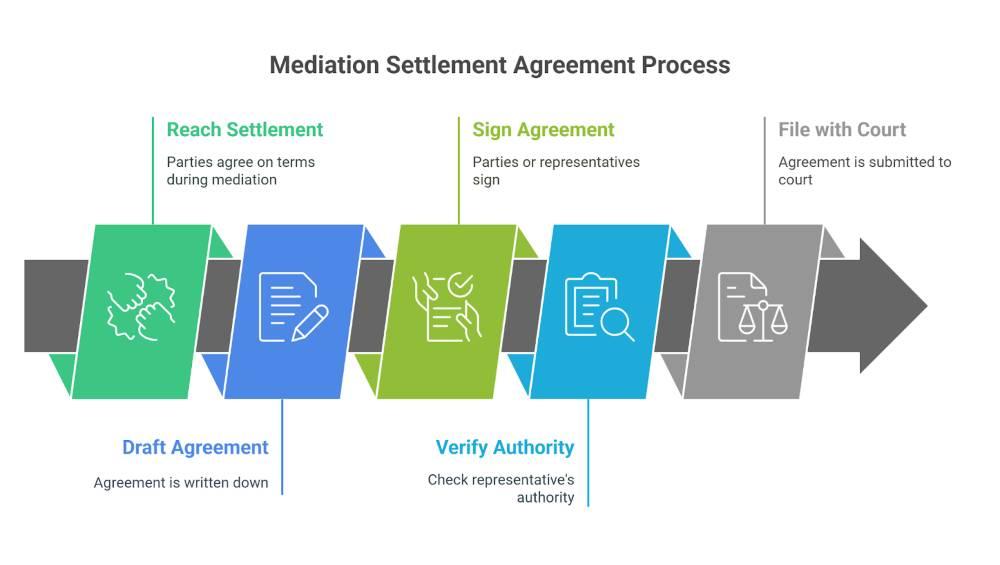
Mediators need a tight, testable workflow that lowers the temperature while raising verifiability. Pair a joint validation cell with a tamper-evident ledger to log each movement: who was seen, when, and by which neutral observer. Build trust through small, rapid confirmations that ladder up to the Saturday threshold-short, repeated check-ins instead of one dramatic handover. Use dual custody on data (medical identifiers and blurred geotags held by separate neutrals) to protect privacy while enabling confirmation. Set synchronized windows for exchanges, pre-cleared “green lanes” for transfers, and a single de-escalation hotline that triages misfires before they spiral.
- Joint validation cell: co-chaired by a neutral state and a humanitarian body; one room, one log, shared clock.
- Proof-of-life packets: timestamped clips, basic biometric match, neutral medic attestation; hashed and cross-signed.
- Checkpoints: 09:00 / 15:00 / 21:00 UTC micro-updates until deadline; missed ping triggers a five-minute mediation hold.
- Secure corridors: pre-cleared routes, visible markings, convoy beacons; red-line rules broadcast to all actors.
- Disinfo guardrails: one pooled press note per milestone; no unilateral leaks during active operations.
| Milestone | Evidence | Incentive | Fallback |
|---|---|---|---|
| Roster exchange | Signed list + short clips | Fuel/aid tranche | Third-party custody of lists |
| First handover | Transfer log + GPS ping | Pause extension | Immediate shuttle mediation |
| Midway release | ICRC attestation | Expanded corridor hours | Protective presence on route |
| Full release | Family confirmations | Reconstruction fund entry | UN briefing + targeted measures |
Contingency design keeps the process moving when reality diverges from the plan. Pre-agree proportional responses to missed timestamps; use “stop-clock” pauses to investigate anomalies rather than punish them; and seed redundancy-backup routes, replacement escorts, mirror comms channels-so a single fault doesn’t derail the chain. Incentives should be phased and reversible, explicitly tied to observable events, and insulated from political whiplash by escrow-like governance. Most crucially, publish a narrow, shared definition of compliance and breach, so every actor knows exactly what unlocks the next step-and what happens if the clock runs out.
Final Thoughts
As the Saturday deadline approaches, the language of ultimatums collides with the slower cadence of diplomacy. Behind public statements, phone lines remain busy, intermediaries shuffle proposals, and families wait for news measured in minutes rather than days.
Whether this moment becomes a pivot or just another turn in a long crisis will hinge on choices made far from the cameras. For now, the stakes are unmistakable, the pathways narrow, and the clock unblinking. The next updates from Washington, Amman, and regional partners will tell whether resolve and restraint can meet in time.