
The clock is ticking in the Middle East, and each passing day sounds less like a heartbeat and more like a metronome set to a deadline. Ten days now stand between uneasy quiet and the possibility of a renewed war, a span of time that feels at once too short for diplomacy and too long for those who live under the shadow of uncertainty. In Israel, the conversation has narrowed to a stark conditional: if no agreement is reached, the country might return to war.
Around negotiating tables-in capitals, safe rooms, and encrypted channels-the language of leverage competes with the language of compromise. Mediators shuttle proposals; envoys trade drafts; conditions are floated, amended, withdrawn. Beyond the protocols, ordinary lives adjust to a provisional reality: families count supplies, businesses hedge plans, and schools rehearse contingencies. The stakes are human as much as geopolitical, immediate as well as historical.
This is a moment when strategy and storytelling collide: each side seeks advantage, legitimacy, time. Yet time is the one resource no one can stockpile. As the deadline approaches, the questions sharpen: What would an agreement need to contain to hold? What pressures will prove decisive? And what happens to the fragile space between ceasefire and escalation if the calendar runs out before the ink is dry?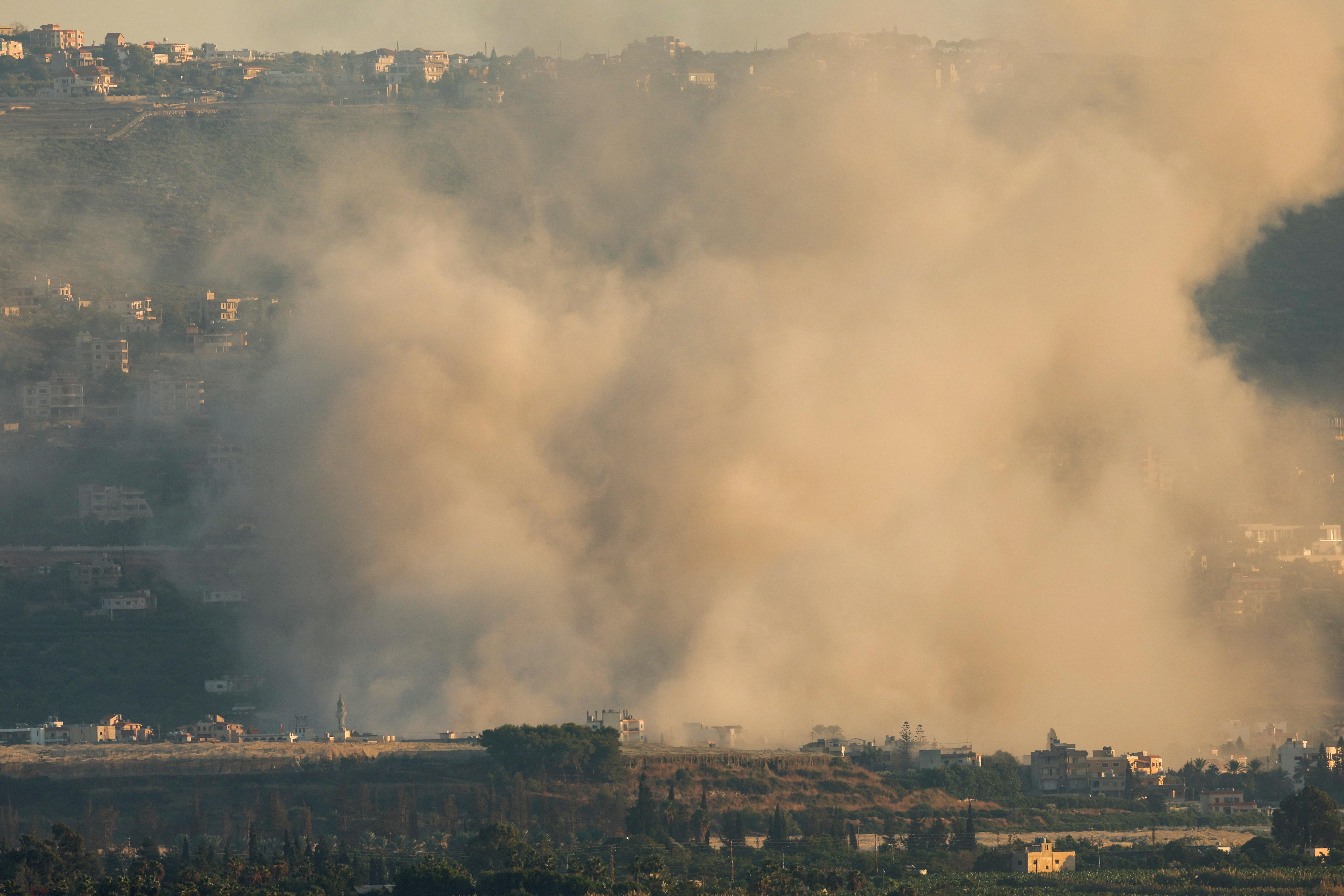
Countdown Without Closure Understanding the Diplomatic Stalemate and the Looming Deadline
Ten days is a short epoch in diplomacy: long enough to draft language, too brief to change fundamentals. The talks hinge on a fragile braid of sequencing, verification, and reciprocity-hostage-prisoner swaps, humanitarian corridors, security assurances, and post-truce posture. Every comma has a cost, and each side’s domestic constraints harden red lines that negotiators can’t easily unknot. With mediators juggling parallel channels and back-channel notes, the room for ambiguity is shrinking just as the need for it grows.
- Scope of pause: How long, where, and under what rules of engagement.
- Exchange ratios: Phased releases, categories, and verification protocols.
- Security architecture: Buffer zones, monitoring tech, and third-party oversight.
- Humanitarian access: Crossing hours, deconfliction lines, and fuel thresholds.
- Territorial posture: Repositioning, patrol patterns, and breach-response rules.
- Political guarantees: Written assurances, snap-back clauses, and timelines.
If the deadline passes without a bridge, the conflict risks snapping back with greater velocity: operational tempo rises, civilian exposure widens, aid corridors become contested, markets jitter, and regional actors recalibrate. In this compressed clock, the deadline is less a cliff than a lever-pressure that can still produce a narrow compromise if parties accept layered, reversible steps. The most telling signals will be subtle: wording in communiqués, posture changes on the ground, and whether mediators circulate a single consolidated text or keep trading fragments.
| Day | Indicator to watch | Likely meaning |
|---|---|---|
| D-10 | New shuttle round announced | Talks still viable |
| D-7 | Draft “principles” leak | Testing public tolerance |
| D-3 | Bridging text circulated | Gaps narrowed, not closed |
| D-1 | Quiet on key fronts | Deconfliction trial run |
| D-0 | Force posture shifts | Return to hostilities likely |
Military Posture and Red Lines What Force Readiness Signals Reveal About the Next Phase
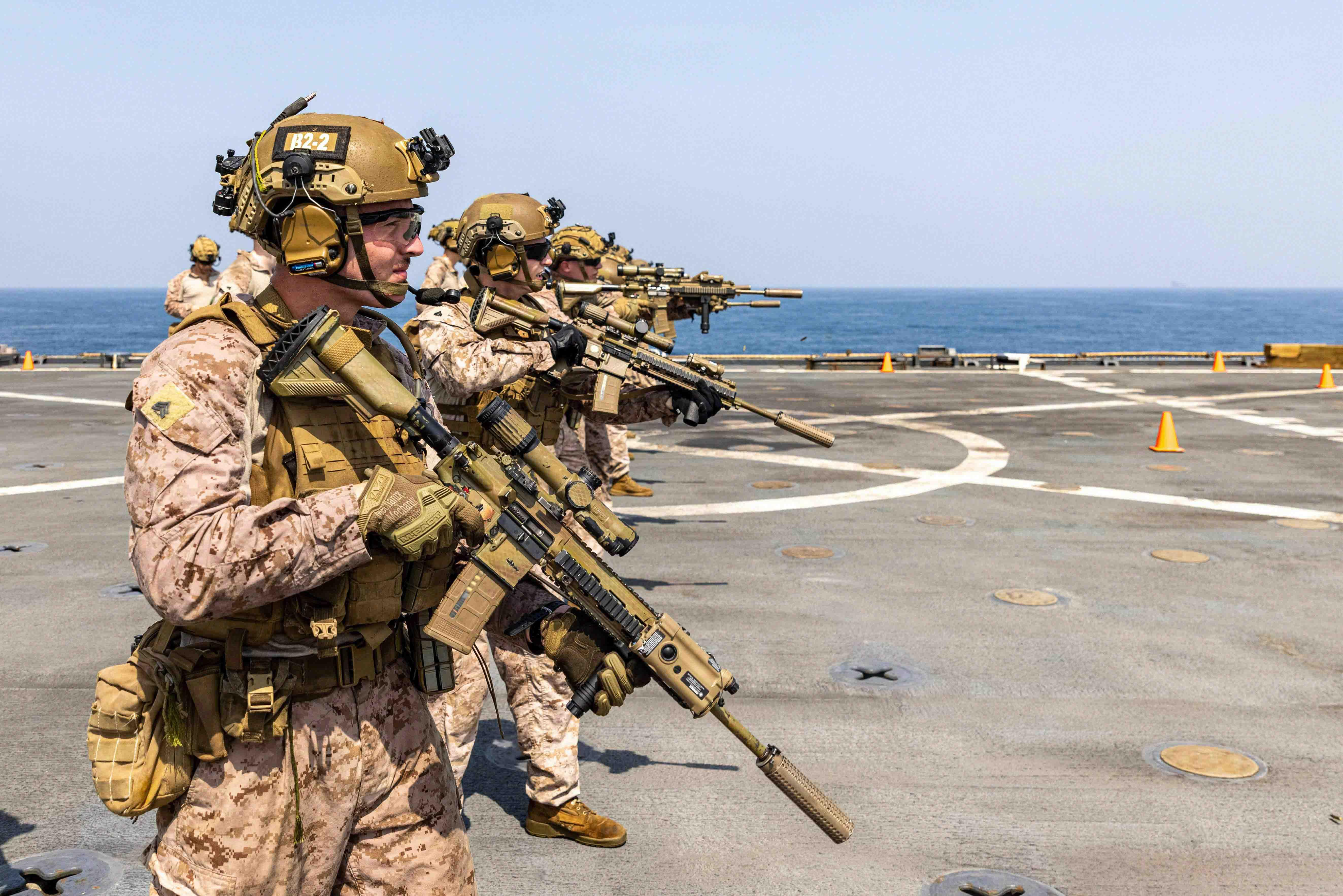
Force posture in the coming days is likely to function as both deterrent and declaration: visible reserve activations, tighter air tasking cycles, and the quiet movement of armor to staging areas signal intent without firing a shot. Expect more layered air-defense coverage, extended UAV orbits over critical corridors, and nighttime logistics convoys that refill the pipeline for a rapid pivot. These cues are simultaneously practical and performative-calibrated to shape adversary calculus, reassure allies, and condition the home front for a potential resumption of operations if talks stall.
On the policy side, red lines are being framed less as rhetoric and more as thresholds tied to specific triggers: degradation of humanitarian corridors, high-casualty strikes on population centers, attempts to alter the status of hostages, or escalatory cross-border fires. Crossing any threshold would likely prompt tiered responses-precision strikes, expanded no-go zones, or time-bound ground pushes-while political leadership keeps a backchannel open for crisis braking. The gap between what is postured and what is executed will be the clearest indicator of whether deterrence holds or the next phase begins.
- Mobilization tempo: scale and duration of reserve call-ups versus routine rotations
- Air defense geometry: redeployments toward northern and central corridors
- Logistics cadence: fuel and ammunition movements after dark, rail and port utilization
- Civil guidance: updates to shelter protocols, travel advisories, and evacuation zones
- Diplomatic bandwidth: shuttle traffic, hotline activity, and mediator statements
| Signal | Likely Meaning | Timeframe |
|---|---|---|
| Expanded Reserve Order | Operational surge prep | 48-96 hours |
| Air Defense Re-mesh | Anticipated rocket salvos | Immediate |
| Night Logistics Convoys | Stockpiling forward | 2-5 days |
| UAV Orbit Density | Target development | Continuous |
| Cabinet Briefing Cycles | Decision window near | 24-72 hours |
Humanitarian Corridors and Civilian Safety Practical Measures to Protect Lives if Talks Fail
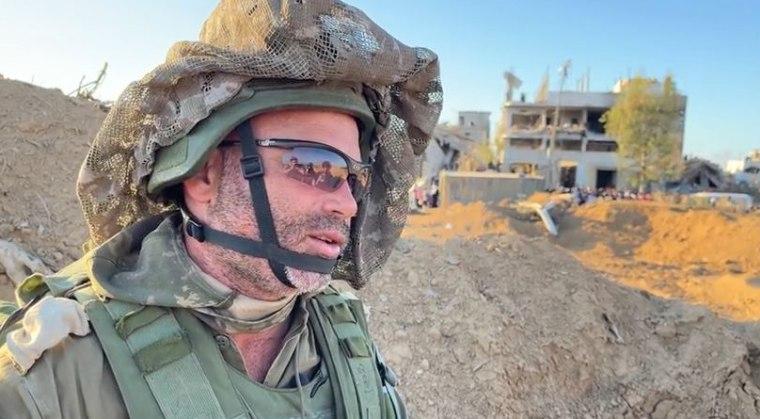
Should negotiations collapse, the fastest way to save lives is to make movement safe, predictable, and clearly signposted. That means pairing demilitarized passageways with neutral verification and real-time deconfliction so civilians and aid can flow without guesswork. Practical steps include:
- Time-boxed corridor windows: color-coded convoys with published departure/arrival slots; geo-fenced lanes shared via offline maps and printed leaflets.
- Neutral escort and ID: UN/ICRC-led convoys; tamper-evident wristbands or QR passes for evacuees and drivers; visible, standardized vehicle markings.
- 24/7 joint operations room: a single deconfliction hotline, shared maps, and authenticated call signs; incident logging within 10 minutes.
- No‑strike registry: continuously updated lists of hospitals, shelters, water/power nodes, and telecom hubs; broadcast to all actors hourly.
- Pre-cleared essentials: fuel, medical oxygen, and staple foods staged in forward depots for the first 72 hours of renewed combat.
Safety also hinges on making it possible to shelter in place when movement is too risky, and on prioritizing those least able to move. Community measures should harden everyday protection while shrinking chaos at crossing points:
- Tiered safe sites: schools and clinics upgraded with reinforced rooms, marked triage corners, and solar lighting; clearly posted capacity limits.
- Multi-channel alerts: SMS and radio bulletins with fixed frequencies; loudspeaker protocols; visual flags for power outages and nighttime.
- Clear wayfinding: bilingual maps, reflective corridor markers, and flashlight signage kits for volunteers; family reunification desks with data privacy.
- Vulnerability-first lanes: ambulances, mobility-impaired, unaccompanied minors, and neonatal transport prioritized; standardized medical referral slips.
- Local continuity: micro-grants to bakeries and water vendors to stabilize supply; crowd-managed queues with shade and hydration points.
- Feedback and oversight: complaint hotlines, independent monitors, and public dashboards to flag delays or violations.
| Element | Timing | Lead | Notes |
|---|---|---|---|
| Convoy Window A | 06:00-09:00 | Neutral Escorts | Northbound only |
| Hotline Check-in | Every 30 min | Joint Ops Room | Code phrase rotation |
| Shelter Refill | 12:00-14:00 | Local NGOs | Water + meds |
| Evacuation Priority | 1-2-3 | Medical First | Vulnerable persons |

Pathways to De Escalation Concrete Steps for Mediators and Parties to Rebuild Trust and Secure a Durable Truce
With a ten‑day horizon looming, urgency should be translated into structure: mutual, verifiable, time‑bound commitments that reduce fear and reward restraint. Mediators can anchor a pause with a single, authoritative deconfliction map, an independent monitoring cell (UN/ICRC/neutral state), and reciprocal micro‑steps-each deliverable paired with a match from the other side. Build confidence through transparent data-sharing (casualty verification, aid flows), uninterrupted humanitarian corridors, and no‑surprises notifications on troop movements. Public messaging must be calibrated: de‑politicized, fact‑first communiqués that signal progress without inflaming domestic audiences.
- Link every concession: “Hostage/ detainee group A ↔ fuel/medicines X units” with third‑party verification.
- Stand up a hotline: 24/7 liaison channel for tactical misfires, with a five‑minute response standard.
- Publish daily incident logs: Jointly signed, time‑stamped, translated; disputes flagged for 12‑hour arbitration.
- Protect civilians first: GPS‑tracked aid convoys, curfew‑window maps, and pre‑cleared medical evacuation routes.
- Freeze escalatory rhetoric: Media codes to avoid dehumanization; leaders commit to a “cooling lexicon.”
Durability comes from rituals that outlast headlines. Create a trust architecture: a bilingual Rules of Contact card for field units; graduated sanctions for spoilers (access limits, naming, loss of reconstruction credits); and community‑level deliverables-water, power, and schooling-explicitly detached from battlefield leverage. Embed a compliance scoreboard so constituencies see tangible gains from restraint, and ring‑fence early reconstruction via escrowed funds released only on verified milestones. When parties can predict each other through routines-not threats-truce becomes habit.
| Step | Lead | Verification | Timeline |
|---|---|---|---|
| 48h Silence Window | Both Parties | Neutral Monitors | Days 1-2 |
| Paired Releases + Fuel | Mediation Committee | ICRC/UN Log | Day 3-4 |
| Aid Surge Corridors | UN OCHA | GPS + Seal Checks | Day 4-7 |
| Local Services Restart | Municipal/INGOs | Meter/Usage Data | Day 6-9 |
| Ceasefire Review | Joint Panel | Public Scorecard | Day 10 |
Future Outlook
As the tenth day draws nearer, the calendar feels less like a grid of dates and more like a pressure gauge. Negotiators work behind closed doors, statements ripple through capitals, and the space between agreement and escalation narrows with each passing hour. For those far from the bargaining tables, the consequences are tangible: routines held on pause, plans deferred, nights measured by headlines and alerts.
Whether the deadline becomes a bridge or a breaking point rests on choices still in motion. The next stretch of days will test the reach of diplomacy and the patience of a region accustomed to uncertainty. For now, the clock keeps its steady count, indifferent to hopes or fears, marking time until the path ahead-toward renewed hostilities or a fragile understanding-comes into view.