
On a campaign stage where foreign policy meets raw emotion, Donald Trump set out a stark promise and a bold claim. He asserted that his election victory helped unlock a hostage deal and vowed that Gaza would “never again” become a haven for terror. The remarks fuse personal credit with hard-edged deterrence, signaling how the former president intends to frame U.S. leverage in the Middle East: as a mix of pressure, speed, and certainty. Supporters hear decisive leadership; critics see oversimplification of a war layered with diplomacy, regional rivalries, and humanitarian catastrophe. As negotiators haggle over the fate of captives and civilians absorb the cost of renewed violence, Trump’s message aims to recast American power as the hinge on which events turn-and to make the outcome in Gaza a referendum on his return to the White House.
Election Momentum and the Hostage Deal Claim Under Evidence Based Scrutiny
The proposition that an electoral surge unlocked a breakthrough on hostages is a causal claim that lives or dies by timelines, mediator testimony, and documented linkages. To gauge it empirically, the key tests are whether negotiations measurably accelerated after the vote, whether mediators explicitly credited the election outcome, and whether any concessions or sequencing changed in direct response to that result. Without these anchors, we have a classic case of proximity-versus-causality-high political theater adjacent to complex, months-long diplomacy. Put plainly: correlation is not causation, and extraordinary claims require publicly verifiable chains of evidence.
- Timeline checks: Compare negotiation milestones with campaign, election night, and certification dates.
- Attribution checks: Look for named statements by mediators/Qatar/Egypt/Israel/US principals tying progress to the vote.
- Documentary checks: Assess if draft terms, readouts, or communiqués changed post-election.
- Counterfactual checks: Identify alternative drivers (battlefield shifts, humanitarian pressure, backchannel breakthroughs).
| Claim Element | Status of Evidence | Notes |
| Causal mechanism (election → leverage) | Unsubstantiated | Requires corroboration from negotiators |
| Timeline alignment | Mixed/unclear | Needs timestamped milestones |
| Mediator attribution | No public confirmation reviewed | Check official readouts and pressers |
| Outcome linkage | Indeterminate | Multiple concurrent drivers likely |
The pledge that Gaza will not revert to a haven for militancy is a policy endpoint, not a switch-achieved, if at all, through layered security guarantees, legitimate governance, economic stabilization, and strict arms interdiction. Evidence-based monitoring would focus on indicators rather than slogans: the monopoly of force by vetted authorities, verifiable reductions in cross-border attacks, and compliance with humanitarian and international law. In practice, durable prevention blends credible deterrence with credible alternatives-from border technology and interdiction regimes to reconstruction oversight that starves illicit finance while incentivizing stability.
- Security: Fewer armed incidents; functioning, unified command accountable to law.
- Governance: Transparent administration, external oversight on funds, anti-corruption triggers.
- Economy: Work permits, trade corridors, and project-based aid tied to verifiable benchmarks.
- Regional guarantees: Third-party monitoring, snap-back clauses, and joint crisis cells.
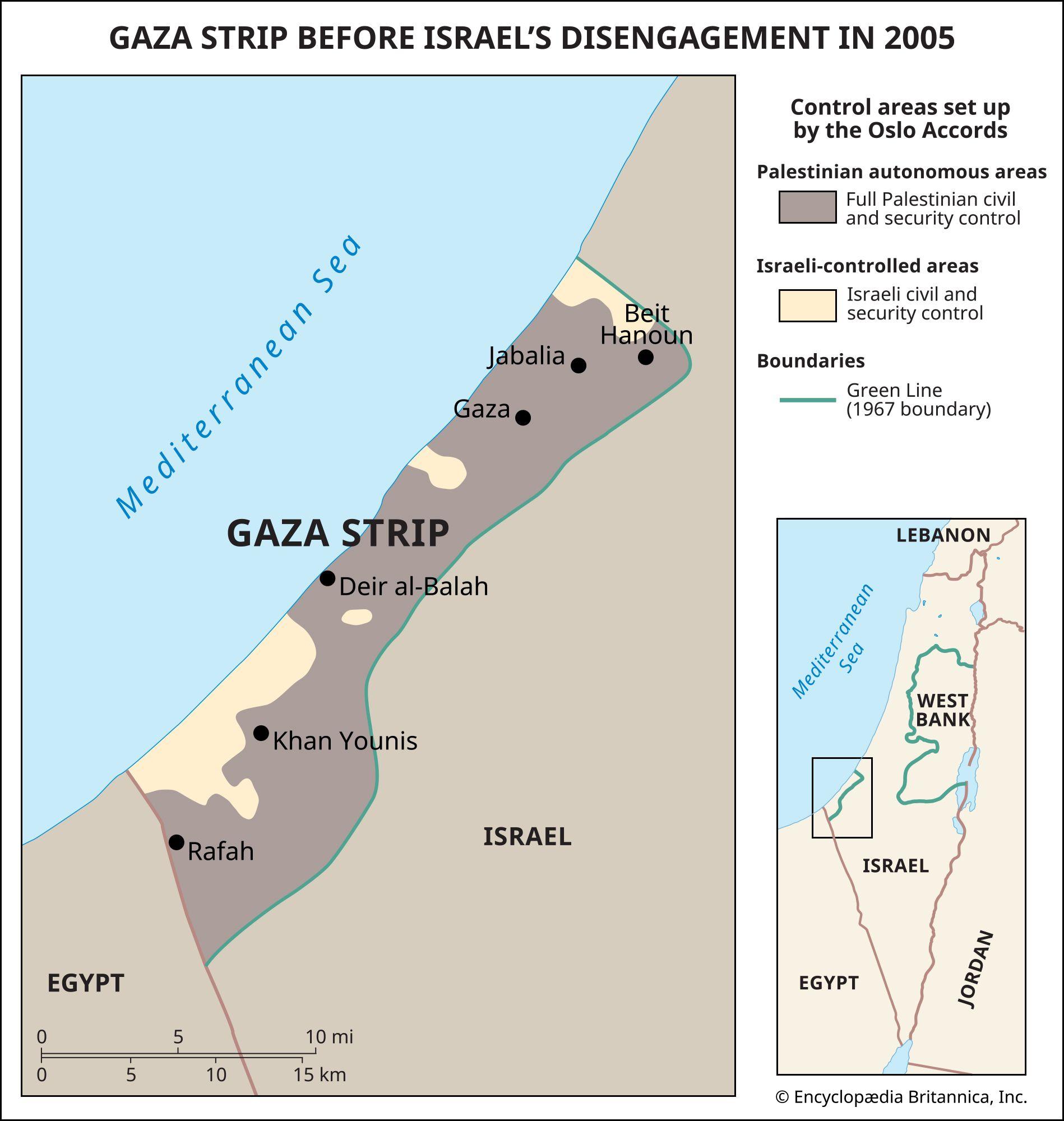
Designing a Gaza Security Framework That Deters Militancy and Safeguards Civilians
A durable approach centers on credible deterrence paired with predictable protections for noncombatants. That means layered border controls and airspace management, real-time verification by regional and international partners, and rules of engagement that reduce risk to families while denying armed groups the space to rearm or reorganize. A fusion cell for hostage recovery, counter-smuggling, and incident deconfliction can shrink decision time, while smart checkpoints and scheduled aid corridors keep food, medicine, and fuel moving even during tense hours.
- Smart crossings: multi-scan cargo lanes, biometric-enabled throughput for workers, and randomization to defeat smuggling patterns
- Air and maritime safety: layered radar, counter‑UAS nets, and a transparent inspection lane with time-bound clearances
- Joint verification cell: regional and international monitors, live-feed oversight, and rapid fact-finding for incidents
- Hostage and missing persons mechanism: standardized access for neutral intermediaries and medical relief
- Deconfliction hotline: multilingual alerts, SMS geofencing, and map-based civilian movement advisories
| Mechanism | Purpose | Lead Actor | Civilian Safeguard |
|---|---|---|---|
| Smart Crossings | Scan & speed | Regional + Int’l | Priority aid lanes |
| Verification Cell | Truth fast | Neutral Monitors | Public incident log |
| Maritime Lane | Inspect flow | Naval Partners | Time caps |
| Deconfliction | Prevent harm | Ops & NGOs | Geofenced alerts |
Stability also depends on incentives that reward calm and penalize spoilers without collective punishment. Pair a transparent compliance-for-reconstruction track with local governance support, community policing, and youth employment pipelines, while embedding independent casualty review and data-sharing to maintain public trust. Pre-agreed humanitarian triggers can pause operations to evacuate the vulnerable, and a rapid claims process addresses damage swiftly to reduce grievance cycles.
- Automatic triggers: ceasefire micro-pauses for hospital, school, and convoy protection
- Accountability: independent review board, open dashboards, and body‑worn camera policies
- Economic lifelines: escrowed reconstruction funds released by verified milestones
- Community safety: vetted local policing, crisis hotlines, and protected complaint channels
- Graduated penalties: targeted sanctions on violators, not blanket restrictions on civilians

Regional Diplomacy Pathways to Align Hostage Releases With Verifiable Ceasefire Steps
Synchronizing releases and truce steps requires a layered architecture that pairs humanitarian imperatives with measurable security de-escalation. A practical model tasks Egypt and Qatar as co-chairs of a sequencing cell, with Jordan overseeing medical triage and family reunification, UAE managing an escrow of incentives tied to compliance, and Türkiye coordinating corridor security and logistics. Neutral monitors-such as the ICRC for custody transfer and a UN-endorsed observer pool for ground verification-anchor credibility. Each tranche of releases should trigger a specific, time-stamped step: localized quiet, verified repositioning, and expanded humanitarian access. Compliance is protected via snap-back clauses, multilingual de-escalation hotlines, and synchronized public messaging to prevent spoilers from reframing the process.
- Time-locked rosters: pre-verified names, medical status, and contact points.
- Dual-key verification: biometric confirmation plus family confirmation through ICRC.
- Geofenced calm: ceasefire zones mapped to satellite and ground sensors.
- Escrowed incentives: phased funds and access released only on certified compliance.
- Joint messaging: identical statements from guarantors to reduce rumor volatility.
- Hotline + incident log: real-time deconfliction with transparent breach reports.
Operationalizing the pathway works best through a phase-gated dashboard that the region co-owns and the public can understand. Each phase couples a concrete deliverable (e.g., minors and medical cases released) with a verifiable ceasefire step (e.g., monitored pullback, aid scale-up), and a bounded verification window (24-72 hours). External leverage-trade facilitation, reconstruction planning, and security guarantees-is calibrated to milestones, not promises. Should a breach occur, monitors publish a rapid attribution note, guarantors initiate a brief pause, and the snap-back restores the last verified baseline. This approach elevates predictability over rhetoric, creating room for high-level statements to be matched by quiet, measurable actions on the ground.
| Phase | Release | Ceasefire Step | Verifier | Incentive |
|---|---|---|---|---|
| Pre-0 | Proof of life | 12h localized quiet | ICRC + UN | Fuel corridor |
| 1 | Minors, medical | Monitored pullback | UNTSO/third-party | Aid + clinics |
| 2 | Civilians | Widened no-strike map | Satellite + ground | Trade easing |
| 3 | Remaining | Full truce verification | Joint cell | Reconstruction |
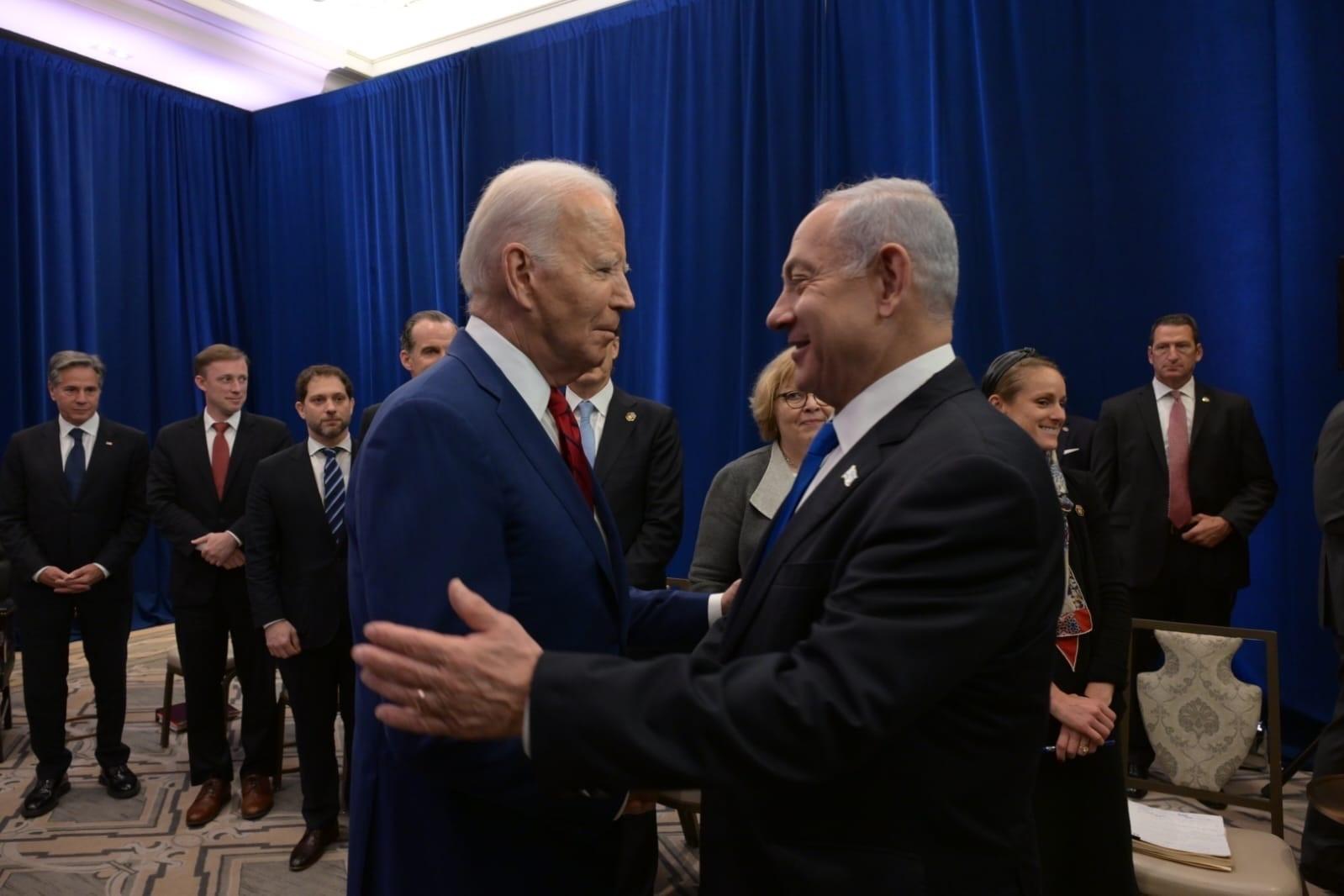
Policy Recommendations for the United States Israel and Arab Partners on Governance Reconstruction and Oversight
Design a layered governance architecture that empowers vetted local leaders while embedding robust external checks. A Joint Civil-Municipal Authority-co-chaired by U.S., Israeli, and Arab representatives alongside Palestinian technocrats-should manage essential services, licensing, and budget flows, with anti-corruption firewalls (e-procurement, open contracts, and conflict-of-interest disclosures). Stand up a Security Coordination Cell to integrate border management, demining, and community policing, with Arab-led training and a human-rights compliance unit. Tie humanitarian corridors and municipal rebuilding permits to behavioral benchmarks: nonviolence pledges, transparent staffing, and independent payroll verification to prevent payroll capture by armed actors. Establish a ring-fenced reconstruction trust with escrow releases based on milestones verified by third-party auditors and local civil society observers, ensuring that reconstruction fuels legitimacy rather than patronage.
Prioritize a “build safer than before” doctrine: resilient power and water micro-grids, hardened clinics and schools, and digital transparency portals that publish every contract and delivery schedule in Arabic, Hebrew, and English. Use phased conditionality-funds and access expand as governance capacities and security compliance rise-and maintain a rapid-response mechanism to sanction spoiler behavior without collapsing civilian services. Institutionalize community feedback loops (grievance desks, SMS hotlines, weekly town halls) and embed regional confidence measures, including cross-border trade lanes and workforce mobility, to anchor stability. A standing Oversight Board should issue quarterly scorecards, benchmark local revenue collection, and monitor detention/hostage files through an agreed verification protocol, minimizing rumor-driven escalations and deterring the re-emergence of clandestine armed structures.
- United States: Lead trust fund governance, deploy forensic auditors, condition aid on transparency and protection of civilians.
- Israel: Facilitate predictable access, share deconfliction data, and align security parameters with civilian movement needs.
- Arab Partners: Train police and administrators, co-chair service delivery clusters, prioritize local hiring and SME grants.
- Joint Actions: Publish open budgets, adopt unified building codes, and activate third-party monitoring with public dashboards.
| Track | Lead | Tool | 90-Day Goal |
|---|---|---|---|
| Governance | Joint Authority | Open contracting | 100% e-tenders |
| Security | Coordination Cell | Deconfliction grid | Zero aid holds |
| Reconstruction | Trust Fund | Escrow milestones | First tranches released |
| Oversight | Board + CSOs | Public scorecards | Quarterly audit |
Wrapping Up
Trump’s claim that an electoral mandate paved the way for a hostage breakthrough-and his vow that Gaza will never again serve as a terror haven-lays down a stark line of intent. Supporters read resolve; critics see a political frame on a conflict that resists simple edges. What follows will be decided less by podiums than by the slow machinery of negotiation, regional leverage, and facts that unfold beyond the camera lights.
For families counting hours, headlines are only mile markers. The measure of these promises will be taken in names released, corridors opened, and nights quiet enough to hear ordinary life return. Until then, the rhetoric lingers in the air, awaiting proof on the ground.