
In a rare appeal that bridges Jerusalem and Washington, a coalition of Israeli left-wing organizations has urged President Joe Biden to act to prevent what they describe as a “humanitarian catastrophe” in Gaza. The groups argue that the United States, as Israel’s key ally, holds unique leverage to press for measures that protect civilians and stabilize a spiraling crisis.
Their intervention underscores a growing current within Israeli society that is both critical of the ongoing conduct of the war and anxious about its moral and strategic costs. It also highlights the uncomfortable space the Biden administration occupies-supporting Israel’s security while facing mounting international pressure over the toll on Gaza’s population.
Framed less as a political rebuke than a plea for immediate relief, the letter adds another voice to a widening chorus calling for expanded humanitarian access, safeguards for noncombatants, and a pathway to de-escalation. What happens next will test not only the responsiveness of U.S. diplomacy, but also the boundaries of dissent within Israel at a time of acute national strain.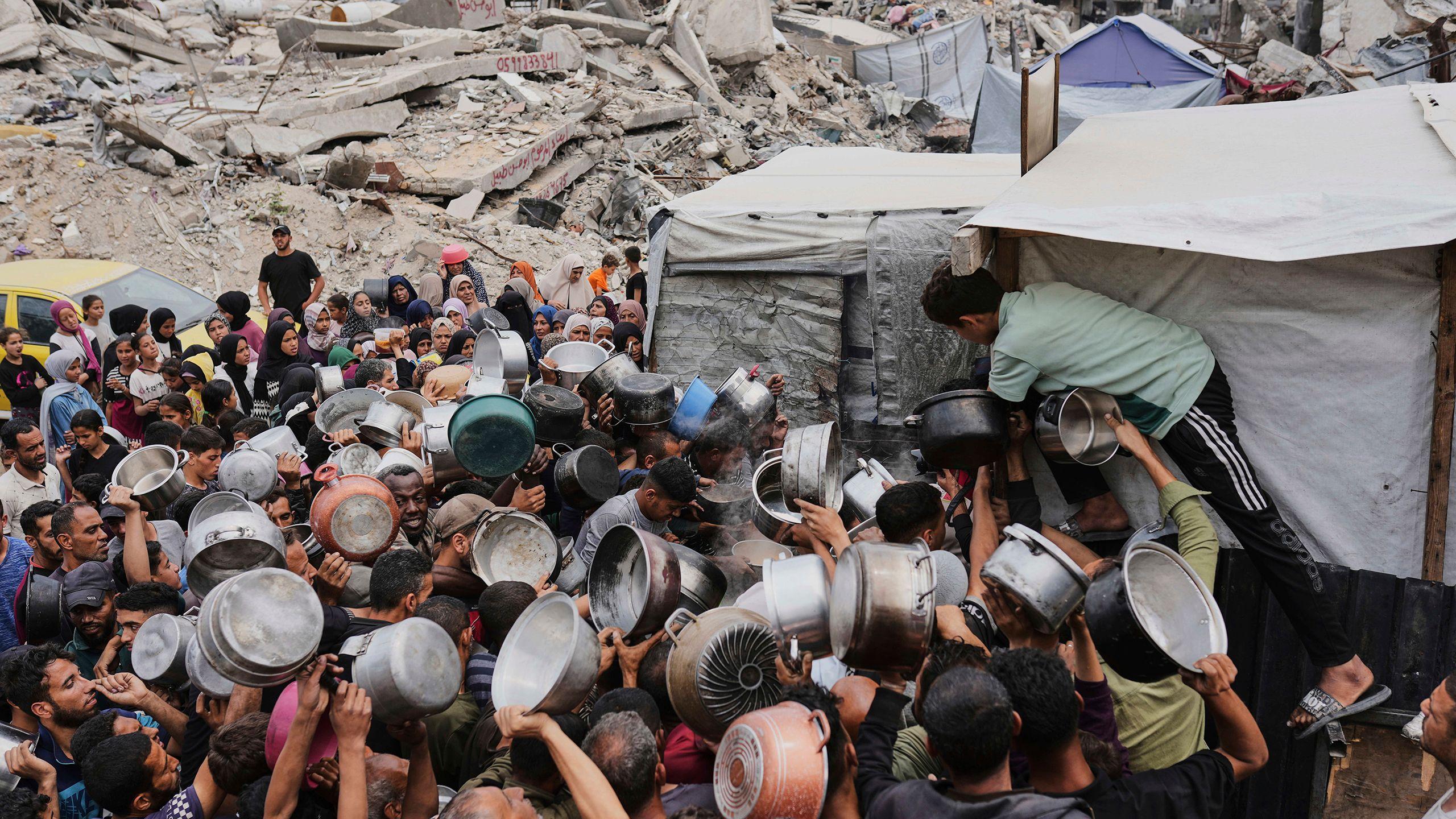
Israeli Left Wing Groups Urge Biden to Act on Gaza Humanitarian Emergency
A coalition of Israeli civil-society networks and progressive NGOs has appealed to Washington for swift, concrete measures to alleviate the mounting crisis, emphasizing that American leverage can be decisive in opening access to essentials and preventing further loss of life. Their message blends pragmatic logistics with moral urgency: prioritize unrestricted humanitarian corridors, ensure protection of civilians and aid workers, and establish mechanisms that make relief predictable, not sporadic. Organizers frame the request as a test of shared democratic values and international law, arguing that safeguarding medical facilities, restoring utilities under third-party oversight, and creating verifiable deconfliction channels are steps that can be enacted immediately-without prejudging political outcomes.
| Requested Action | Rationale |
|---|---|
| Round-the-clock aid corridors | Food, water, medicine delivered reliably |
| Time-bound ceasefire windows | Safe passage for deliveries and evacuations |
| Independent utility monitoring | Stabilize hospitals and shelters |
Advocates outline a set of diplomatic and operational steps they believe the White House can champion to reduce civilian harm and restore basic services, while keeping regional escalation in check. Their proposals stress accountability and measurable outcomes, including clear benchmarks for access, transparent reporting, and coordination with regional partners and multilateral agencies to avoid duplication and bottlenecks.
- Appoint a humanitarian access envoy to synchronize aid logistics, air/sea lanes, and ground convoys.
- Guarantee deconfliction via 24/7 hotlines protecting ambulances, warehouses, and UN facilities.
- Condition assistance on IHL compliance with transparent, third-party verification of safeguards.
- Back monitored utility restoration (power, fuel, water) under neutral oversight for medical hubs.
- Support a hostage-detainee framework tied to sustained access for relief operations.
- Scale funding for local responders and ensure visas, insurance, and security for aid staff.
- Publish weekly access metrics-convoy counts, delivery times, coverage-to track progress.
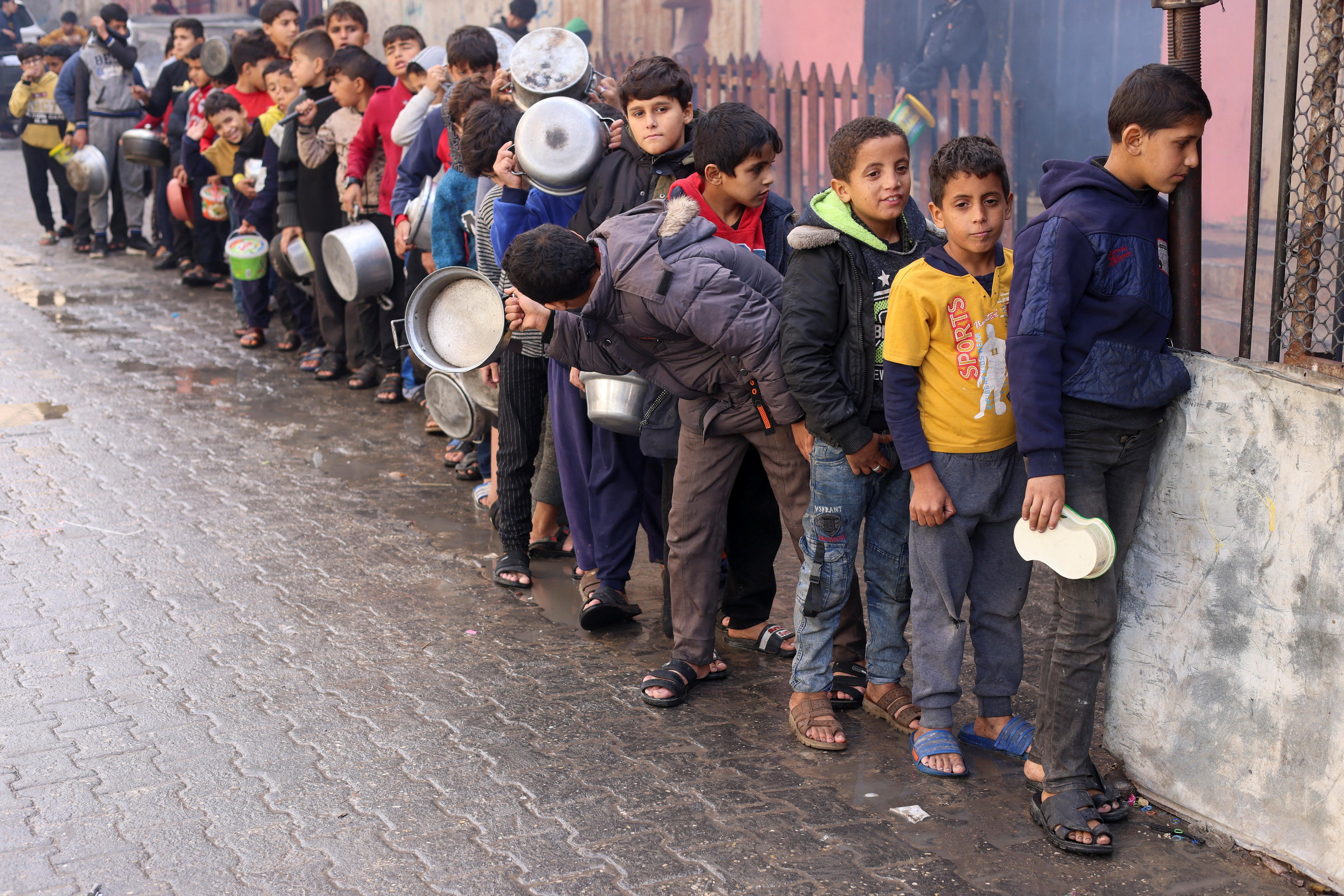
Field Evidence of Crisis food insecurity collapsing care and displacement trends
Field teams from medical networks, market monitors, and shelter coordinators describe a converging emergency where food access, health services, and safe movement are each under intense stress. Israeli civil society groups cite these on-the-ground snapshots as they appeal for measures that expand humanitarian space: predictable corridors, protection for aid operations, and fuel allocations for clinics and water systems. The picture that emerges is less about single shortages and more about systems fraying at once-bread lines lengthening as clinics ration power, while families move repeatedly in search of safer shelter and clean water.
- Food insecurity: shrinking rations, volatile prices, and reliance on bread and canned staples.
- Collapsing care: reduced operating capacity, interrupted cold chains, and postponed routine treatments.
- Displacement: shelters beyond planned capacity, frequent relocations, and constrained access to services.
| Indicator | Status | Trend | Field Source |
|---|---|---|---|
| Household Food Access | Very Low | Deteriorating | Market checks |
| Primary Care Capacity | Critical | Unstable | Clinic logs |
| Displacement Sites | Overcapacity | Rising | Shelter counts |
| Cold-Chain Fuel | Intermittent | At risk | Pharmacy reports |
| Aid Convoy Rhythm | Irregular | Variable | Logistics tracking |
Implementers note that stabilizing these metrics requires steady, protected access for relief shipments and medical teams, clear deconfliction, and safeguards for civilians. In practice, that means coordinated crossings for food and medical supplies, fuel for generators and water systems, and monitoring that blends price baskets, morbidity dashboards, and community feedback to course-correct in real time. The appeal emphasizes that these are not abstract benchmarks but urgent operational conditions; each day of delay compounds needs, magnifying the gap between what households require and what lifelines can deliver.
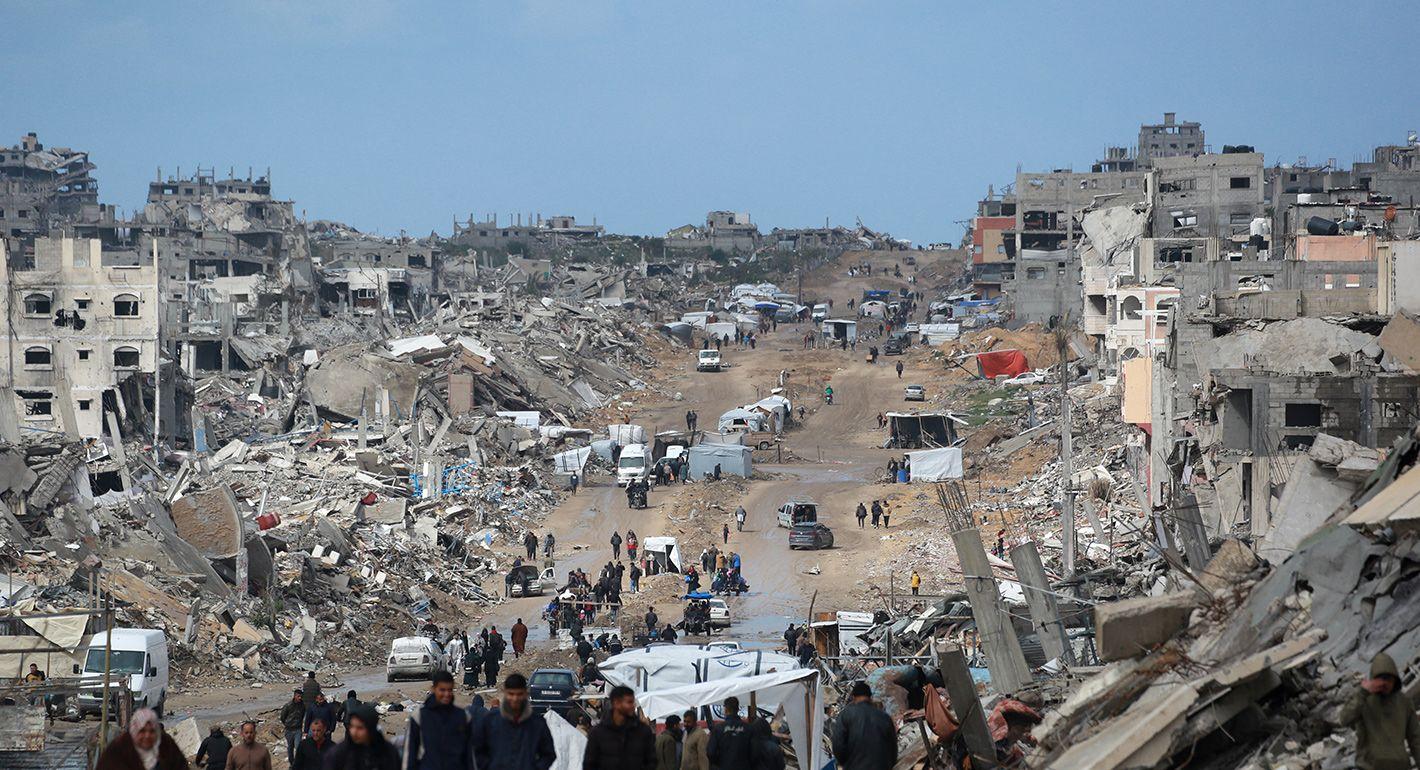
US Policy Levers to Unlock Aid and Reduce Risk diplomacy security coordination and corridor access
Washington can pair quiet high-level pressure with practical incentives to open predictable humanitarian channels. An empowered special envoy with a standing deconfliction cell-co-located with Israeli, Egyptian, UN, and NGO liaisons-can lock in time-bound “green lanes” for convoys, capped inspection windows, and standardized manifests to cut delays. Blending calibrated security assurances (route vetting, convoy sealing, GPS beacons) with political guarantees (written no-strike commitments, corridor schedules published 48 hours in advance) would give carriers and agencies the confidence to scale up. Multiple, redundant corridors reduce single-point failure: a surge at Kerem Shalom, contingency reopening of Erez for northern access, a Jordan-Gaza land bridge via King Hussein/Allenby logistics, and a Cyprus maritime corridor feeding a temporary offload point. Targeted conditionality and positive inducements-maintenance spares, ISR support for interdiction outside civilian zones, and multilateral cost-sharing-can unlock cooperation without public theatrics.
Risk is further reduced by financial facilitation and predictable operating rules. Issue or expand general licenses for NGOs and vendors, stand up a vetted banking channel for humanitarian transactions, and back an insurance/indemnity pool to cover carriers moving essential goods. Pair fuel allocations with meter-based monitoring and third-party verification; mandate convoy telemetry and live location-sharing to a common dashboard; and codify humanitarian pause windows announced by cell broadcast. Outcome tracking-delivery timeliness, pass rate at checkpoints, and aid “last-mile” reach-should be posted weekly to a public ledger managed with UN cluster leads. The goal: a safety envelope that is credible to security actors and reliable for civilians, so aid flows scale from ad hoc to routine.
- Joint Ops Room: 24/7 deconfliction with real-time route approvals and rerouting.
- Service-Level Agreements: 2-hour inspection cap, standardized cargo lists, sealed pallets.
- Redundant Corridors: Kerem Shalom surge; Jordan land bridge; Cyprus maritime offload.
- Protected Windows: Daily no-strike periods published 48 hours ahead via SMS/cell broadcast.
- Finance & Cover: General licenses, designated banking channel, and an indemnity fund for carriers.
- Telemetry & Audit: GPS beacons, fuel meters, third-party verification, and weekly public metrics.
| Lever | Mechanism | Risk Mitigation |
|---|---|---|
| Deconfliction Cell | 24/7 joint approvals | Fewer convoy incidents |
| Corridor Redundancy | Land + sea options | Avoids single-point failure |
| Inspection SLAs | Standardized manifests | Predictable throughput |
| Financial Licenses | Vetted payment rails | Reduces over-compliance |
| Insurance/Indemnity | Carrier risk cover | Increases lift capacity |
| Telemetry & Audits | GPS + fuel metering | Accountability, trust |
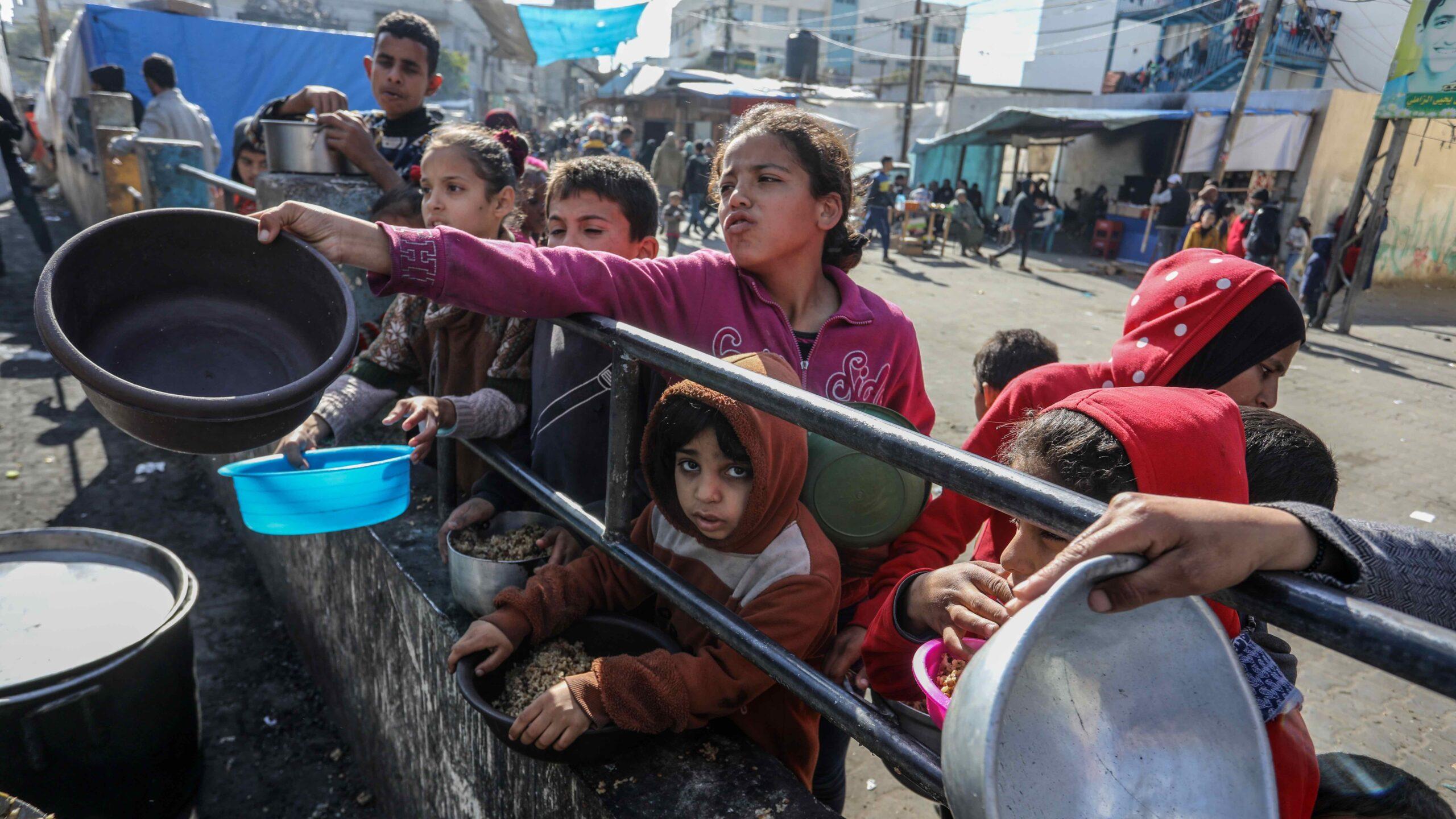
Concrete Steps expand crossings restore power and water deconflict aid operations and set monitoring benchmarks
To avert a worsening humanitarian emergency, signatories urge immediate, pragmatic actions that can be executed within days. Focus on throughput and safety: expand and staff additional land crossings, extend operating hours, enable continuous scanning and expedited customs for pre-vetted cargo, deliver fuel to restore hospital generators, sewage pumps, and desalination plants, and deploy repair teams with security guarantees. A joint civil-military coordination cell should manage deconfliction-publishing no-strike maps, scheduling aid pause windows, and broadcasting convoy routes in real time to all parties.
- Open more gates, longer hours: Rafah, Kerem Shalom, and northern entries with 24/7 lanes for food, fuel, and medical supplies.
- Restore lifelines: reconnect electricity feeders; prioritize water lines, desalination units, and wastewater treatment parts.
- Protected corridors: GPS-tracked convoys, marked vehicles, and verified warehouse zones under clear rules of movement.
- Fuel with safeguards: sealed tankers, end-use monitoring, and third-party oversight to prevent diversion.
- Unified deconfliction: hotline, shared map layers, and on-call liaison officers across all operational hours.
Accountability requires measurable targets and public reporting. Independent monitors-UN, ICRC, and vetted NGOs-should log daily performance, verify end-use, and flag bottlenecks for diplomatic escalation within set timeframes. A transparent dashboard, mirrored to Israeli and Palestinian authorities and international partners, can turn commitments into verifiable outcomes and allow rapid course corrections when thresholds are missed.
| Metric | 72h Target | Lead Authority | Public Update |
|---|---|---|---|
| Trucks/day | 500+ | Crossing Mgmt Cell | Daily, 18:00 |
| Active crossings | 4 | Border Agencies | Live map |
| Fuel (L/day) | 600k | UN Logistics | Batch logs |
| Power (MW) | 120 | Utility + ICRC | Grid status |
| Water (m³/day) | 150k | WASH Cluster | Plant output |
| Hotline response | <5 min | Deconfliction Cell | Hourly |
| Aid pauses/day | 3 × 4h | Parties to Conflict | Notices + SMS |
| Convoy safety | >98% incident-free | Security Liaisons | Incident sheets |
| Medical evacuations | 200/day | Health Cluster | Bed tracker |
| Transparency | Live dashboard | Joint Secretariat | Open data |
In Conclusion
In a landscape crowded with sirens and statements, the letter from Israel’s left-leaning groups travels a familiar route-out of meeting rooms, across oceans, into a policy calculus shaped by security commitments, domestic politics, and the law of unintended consequences. Their plea to avert what they call a humanitarian catastrophe in Gaza adds urgency to a conversation already thick with competing imperatives.
Whether that urgency translates into a shift in Washington remains uncertain. The next moves will be measured less in podium lines than in corridors opened for aid, in safeguards for civilians, and in the temperature of a region that reads every signal closely. For now, the appeal is one more thread in a tapestry of pressure and restraint-an attempt to widen the space for relief, and to test how far words can carry when the stakes are counted in lives, not headlines.