
Shuttle diplomacy returns to the tarmac as the U.S. Secretary of State touches down in Israel, carrying the weight of stalled proposals and shrinking windows of opportunity. His mission is both familiar and fraught: to breathe life into ceasefire talks that have struggled to outpace the conflict they aim to pause.
Behind the choreography of motorcades and closed-door meetings lies a tightrope of competing imperatives-quieting the guns, securing hostages’ release, expanding humanitarian access, and charting a path that regional actors can accept without losing political footing at home. Trust is thin, timelines are elastic, and every concession has an echo.
This visit is less about grand announcements than about narrowing gaps-testing whether the right combination of incentives, assurances, and pressure can turn a tenuous framework into a workable truce. In a landscape where words have often outrun deeds, the question is whether diplomacy can find enough traction to slow the war long enough for something more durable to take root.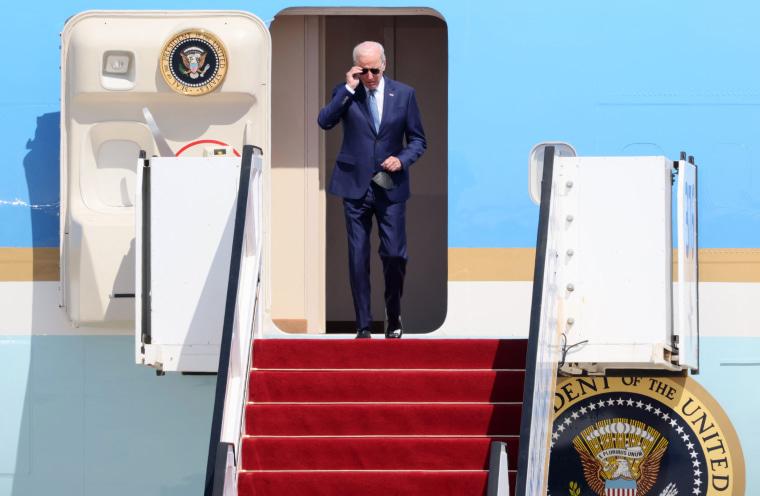
Diplomatic landing zone in Israel assessing interests red lines and domestic constraints
Washington’s top diplomat is mapping a compromise corridor between Israeli security demands, Palestinian humanitarian imperatives, and regional brokerage. The working logic: shrink maximalist aims into a practical exchange-hostages for pauses, aid for access, de-escalation for guarantees-while stitching in enforcement that can survive politics at home. In Jerusalem, coalition arithmetic, public pressure from hostage families, and military risk calculus narrow options; across the table, factional coherence and street legitimacy weigh as heavily as any text. Within this moving frame, the landing zone is defined by clarity on interests, candid red lines, and acknowledged domestic constraints that negotiators can’t wish away.
- Israel: durable security calm, verified compliance, controlled crossings.
- Palestinian side: prisoner releases, phased withdrawals, unhindered aid.
- United States: rapid de-escalation, hostage return, regional stability.
- Regional mediators (Egypt, Qatar): border integrity, mediator credibility, spillover prevention.
To translate principles into an actionable pause, envoys are testing what each party can accept now, what must be sequenced, and what requires third‑party guarantees. A pragmatic design ties timelines to verifiable steps, caps ambiguity with monitoring, and leaves space for domestic audiences to claim a defensible win.
| Actor | Core Interest | Non‑Negotiable | Domestic Constraint |
| Israel | Security calm | No unchecked rearmament | Coalition cohesion |
| Palestinian side | Relief & prisoners | Credible withdrawals | Faction unity |
| United States | De-escalation | Hostage release | Congress scrutiny |
| Egypt/Qatar | Mediation role | Border control | Public optics |
Bottom line: the ceasefire pathway hardens when verification is real, sequencing is short, and each side can sell the deal at home without crossing its declared lines.
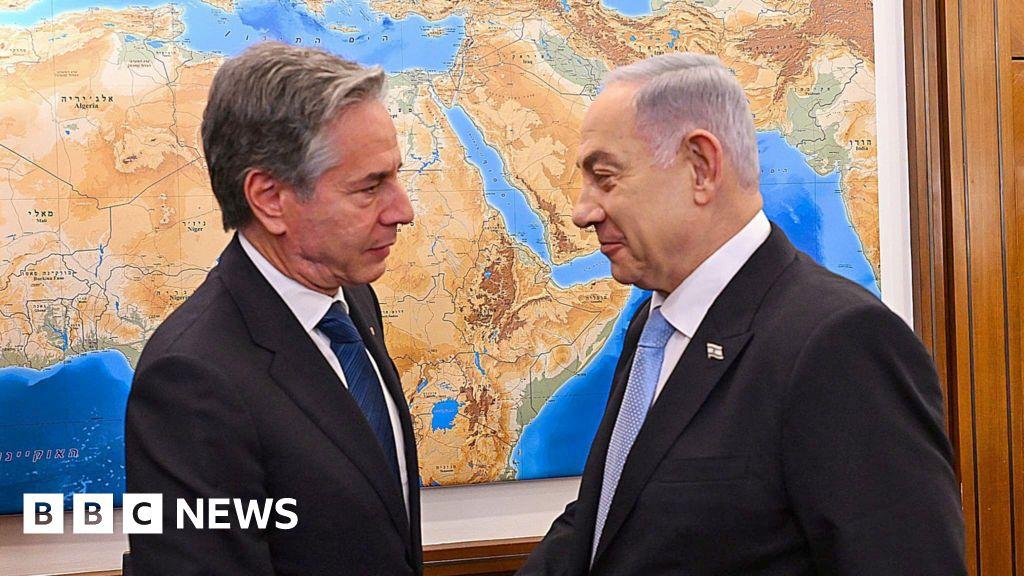
What Blinken needs from Israeli leaders Egypt and Qatar to restart a credible ceasefire track
To move talks from symbolic to substantive, Blinken needs each capital to table concrete, time-bound commitments that are both mutually verifiable and publicly defensible at home. From Jerusalem, he requires an empowered mandate for a phased truce tied to hostage releases, written rules of engagement during pauses, and a surge of humanitarian access. From Cairo, a predictable border regime and medical lifelines that scale quickly. From Doha, a singular, disciplined channel to the interlocutors who can actually greenlight the sequence. The deliverables should be operational, not aspirational:
- Israeli leadership: codify pause conduct (clear no-strike windows and deconfliction maps), expand corridors via Kerem Shalom and Rafah with daily truck and fuel targets, accept third‑party monitoring, commit to a sequenced detainee-exchange framework, and maintain message discipline to avoid shifting benchmarks.
- Egypt: guarantee predictable Rafah processing with joint screening and medevac lanes, scale field hospitals and warehousing in El‑Arish, back a Cairo-based deconfliction cell, and curb smuggling without constricting humanitarian flow.
- Qatar: consolidate a single channel to decision-makers, secure proof‑of‑life cadences and vetted hostage lists, enforce a zero‑launch posture during pauses, and underwrite compliance with leverage and escrowed incentives.
The architecture that makes this stick is a Joint Implementation Mechanism (US-Egypt-Qatar-Israel with UN/ICRC support) that locks in milestones, verification, and consequences. That means a 24/7 hotline and incident log, satellite/ground-based monitoring, snapback clauses for serious breaches, and an incentive ladder that ties reconstruction access and detainee exchanges to measured compliance, not promises. Keep it simple, sequenced, and transparent-so each side can point to clear wins at every step while spoilers find fewer seams to exploit.
| Phase | Hostages | Pause | Aid/day |
|---|---|---|---|
| I | Women & elderly | 72 hours | 300 trucks |
| II | Wounded & sick | 7 days | 500 trucks |
| III | Remaining civilians | 14 days | 700 trucks |
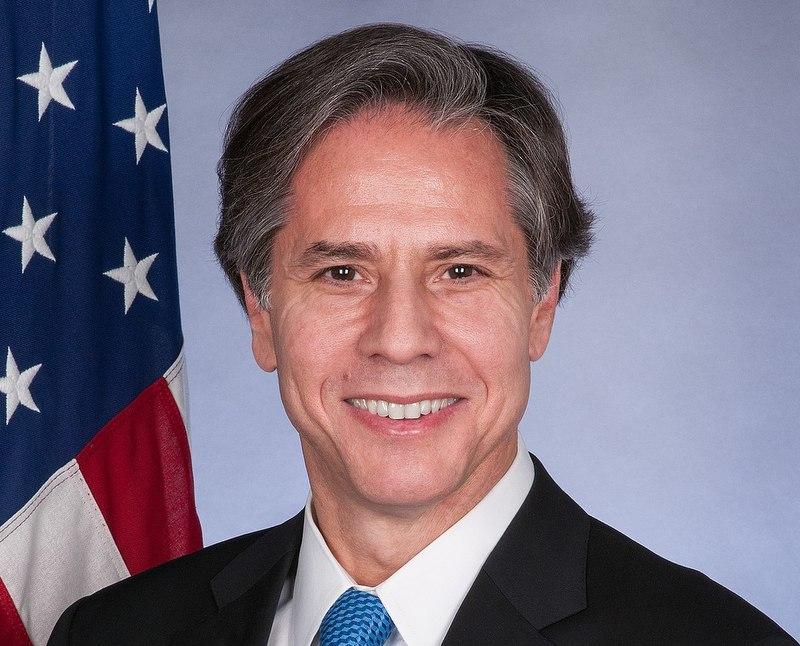
US options to bridge gaps secure hostage releases and expand humanitarian access
With fresh shuttle diplomacy, Washington can deploy a blend of incentives, safeguards, and verification that narrows negotiating gaps while unlocking staged releases. Expect a blueprint built around a phased truce, clear sequencing for exchanges, and third‑party guarantees that add credibility without supplanting on-the-ground actors. Key levers include calibrated timelines, measurable compliance triggers, and a shared ledger of commitments that both sides can audit in real time.
- Phased truce architecture: short, renewable pauses scaling to longer quiet tied to verifiable steps.
- Exchange matrix: synchronized lists, medical-priority cases, and age-based releases first, overseen by the ICRC.
- Compliance verification: UN/ICRC monitoring, geotagged proof-of-life, and neutral hotlines for rapid dispute resolution.
- Guarantor cohort: coordinated roles for Qatar, Egypt, the US, and EU observers to anchor assurances.
- Calibrated conditionality: incentives and consequences linked to milestones, communicated in advance to reduce surprises.
Expanding life‑saving relief hinges on predictable corridors, transparent inspections, and interoperable logistics that protect civilians and aid workers alike. The US can fuse deconfliction tech, inspection surge capacity, and regional lift to scale food, fuel, water, and medical supplies, while ring‑fencing aid from diversion through data‑light tracking that respects privacy and humanitarian principles.
| Lever | Purpose | Key Partner |
|---|---|---|
| Deconfliction Cell | Safe convoy routing | UN-OCHA / IDF |
| Maritime Corridor | Bulk aid inflow | Cyprus / EU / US |
| Inspection Surge | Faster clearance | Egypt / Israel |
| Fuel Waivers | Hospital power | WHO / ICRC |
- Aid corridors with time windows: fixed “green hours” and mapped routes to reduce friction at crossings.
- Digital manifests: barcode-based shipments with offline capability to track volume, not identities.
- Telecom restoration: temporary service to coordinate clinics and distributions during pauses.
- Last‑mile protection: community-led distribution backed by neutral monitors and scalable micro-warehousing.
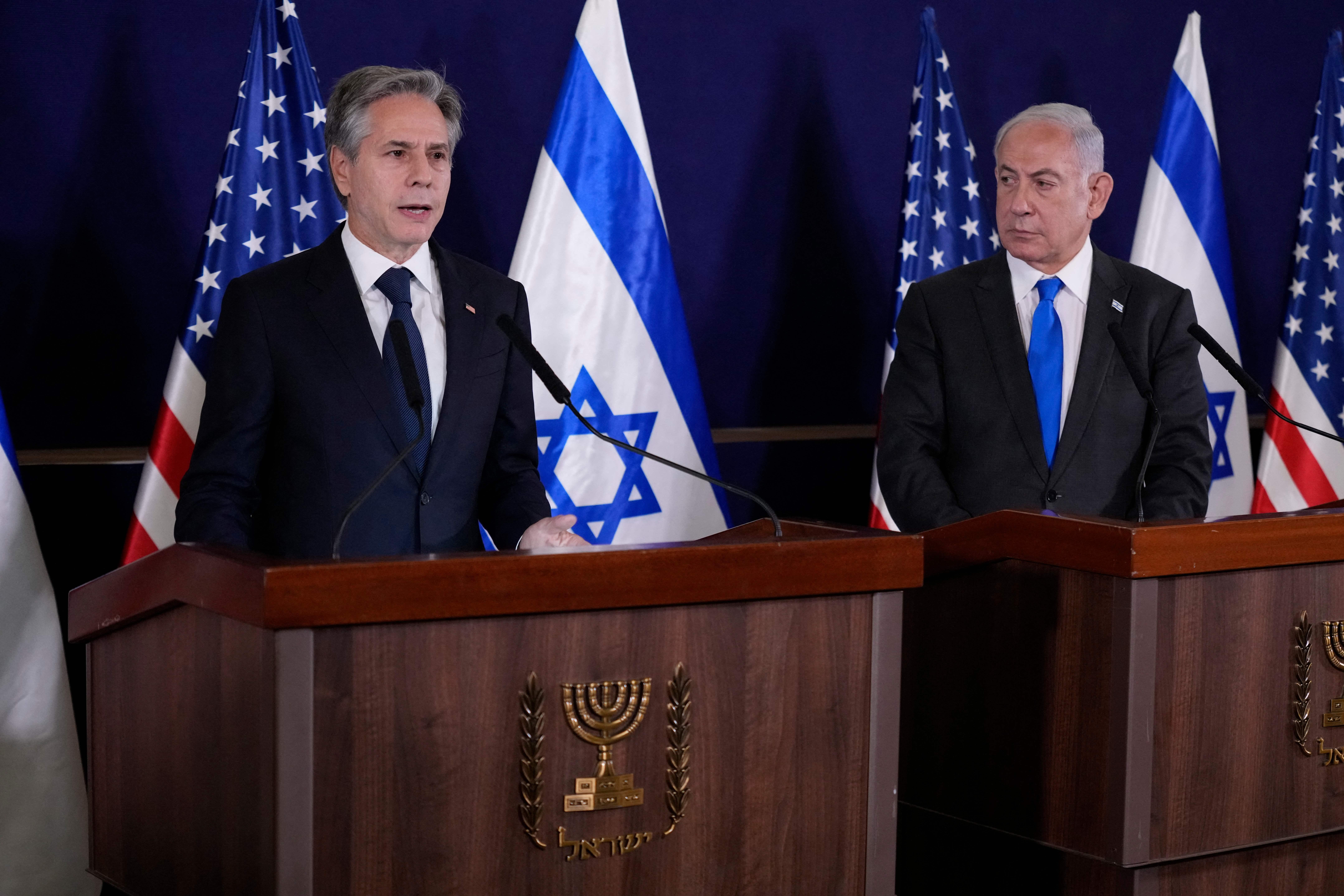
Timeline verification and accountability steps to turn a pause into sustained calm
Turning a fragile truce into something durable begins with time-stamped checkpoints and a shared, public ledger of compliance. Build a joint operations cell with secure channels to receive field reports from UN agencies, NGOs, and local authorities; cross-check them against sensor data, satellite passes, and geotagged aid deliveries. Establish verification windows-H+6, 24 hours, 72 hours-where each side confirms “silence-of-guns” metrics and deconfliction maps. Humanitarian corridors should be audited in real time, with open-source transparency to deter false claims. Every breach gets a unique incident ID, a precise location/time code, and an agreed attribution protocol to prevent spiral dynamics triggered by rumor or ambiguity.
| Timeframe | Verification | Lead | Evidence |
|---|---|---|---|
| H+6 | Guns silent along agreed lines | Joint Ops Cell | Acoustic/sensor feed |
| D1-D3 | Corridors opened, aid enters | UN + COGAT | Geotagged convoys |
| Week 1 | Detainee/hostage exchange batch 1 | ICRC | Signed releases |
| Week 2 | School/clinic reactivation | Local councils | Power/clinic logs |
| Month 1 | Buffer-zone deconfliction review | Third-party guarantors | Incident trendline |
Accountability grows when each commitment has automatic triggers for response and reward. Define a proportional escalation ladder-warn, investigate, remediate, and only then escalate-paired with incentives such as phased access, reconstruction credits, and detainee-release milestones. A daily “ceasefire clock” briefing reduces rumor cascades, while community hotlines funnel verified incident reports into the ledger. To keep politics from outrunning facts, require a two-hour cooling period for joint clarification before public accusations. Shuttle diplomacy can then lock in progress by converting verified days of calm into structured next steps: expanded aid volumes, restored services, and wider civilian movement corridors, all backed by documented compliance.
- Verification ledger: shared, time-coded entries with attribution notes.
- Chain-of-custody evidence: standardized media, witness forms, and GPS stamps.
- Rapid rumor control: joint updates within two hours of flagged claims.
- Incentive ladder: compliance unlocks access, credits, and civil reopening.
- Corrective loop: pre-agreed remedies to prevent single breaches from collapsing talks.
To Wrap It Up
As Blinken’s latest visit unfolds, the contours of the moment are clear enough: urgency without guarantees, diplomacy pressed into the narrow spaces left by months of violence and mistrust. The agenda is familiar-pauses in fighting, releases of captives, humanitarian access-yet each item is burdened by hard political math on all sides.
Whether this trip resets the talks or merely steadies them will hinge on incremental concessions and the patience of mediators in regional capitals. For now, the focus returns to rooms where the stakes are measured in lives rather than headlines, and where progress is as likely to be counted in silences avoided as in statements made.
With allies coordinating, critics watching, and time running thin, the window for a workable arrangement remains open, if only just. The negotiations resume; the outcome, as ever, waits on the next careful word.