
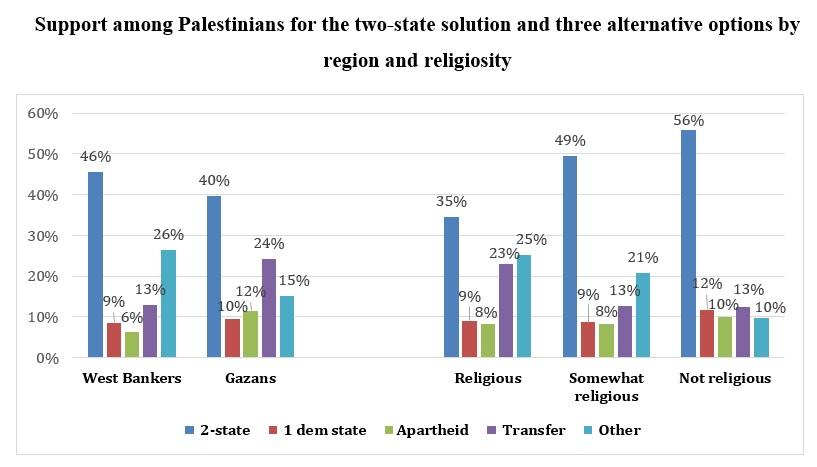
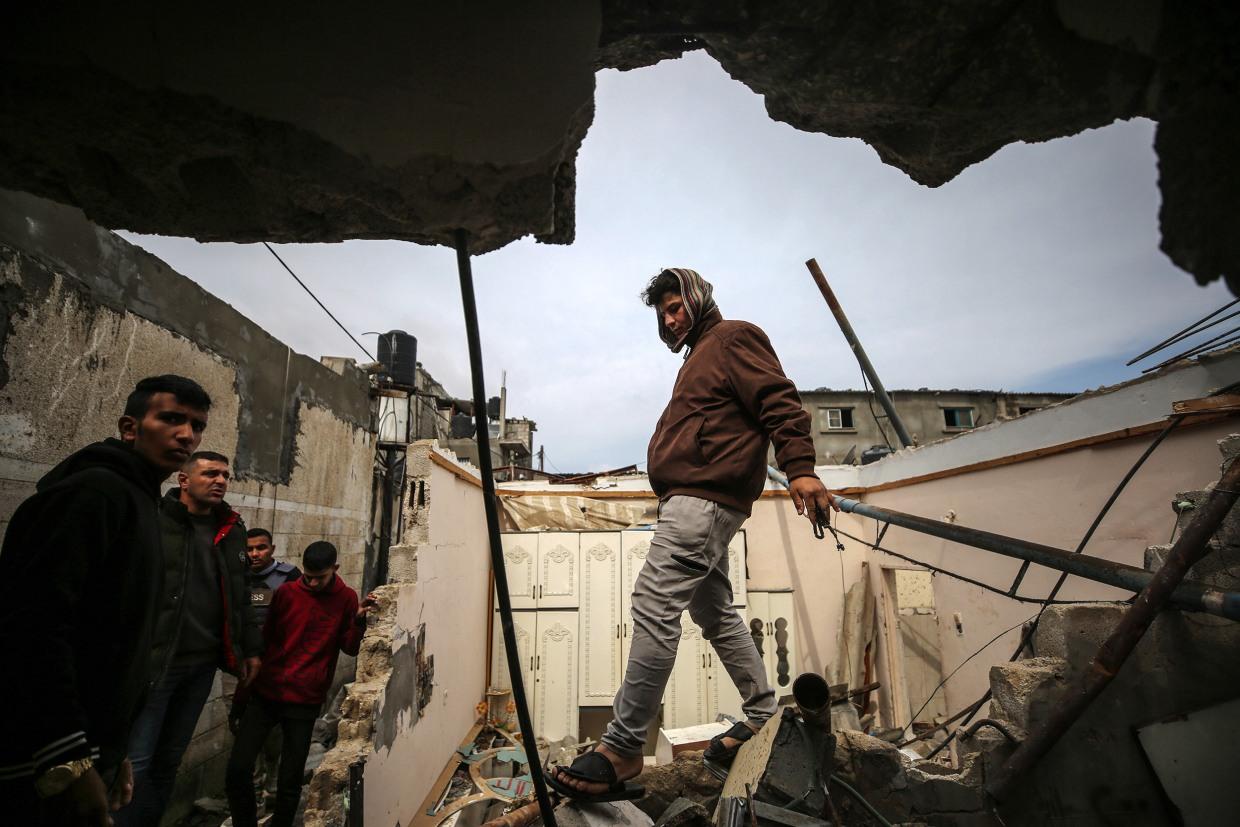
In a conflict long defined by stalemate, a surprising data point has emerged: support for a two-state solution among Gazans has doubled since December, according to a new poll. The shift, captured amid ongoing war and deep humanitarian strain, suggests a recalibration of public priorities under extraordinary pressure.
While the finding does not bridge entrenched divides over borders, security, or governance, it introduces a fresh signal into a crowded diplomatic landscape. Whether this sentiment proves durable-and whether it can shape decisions in the months ahead-remains an open question.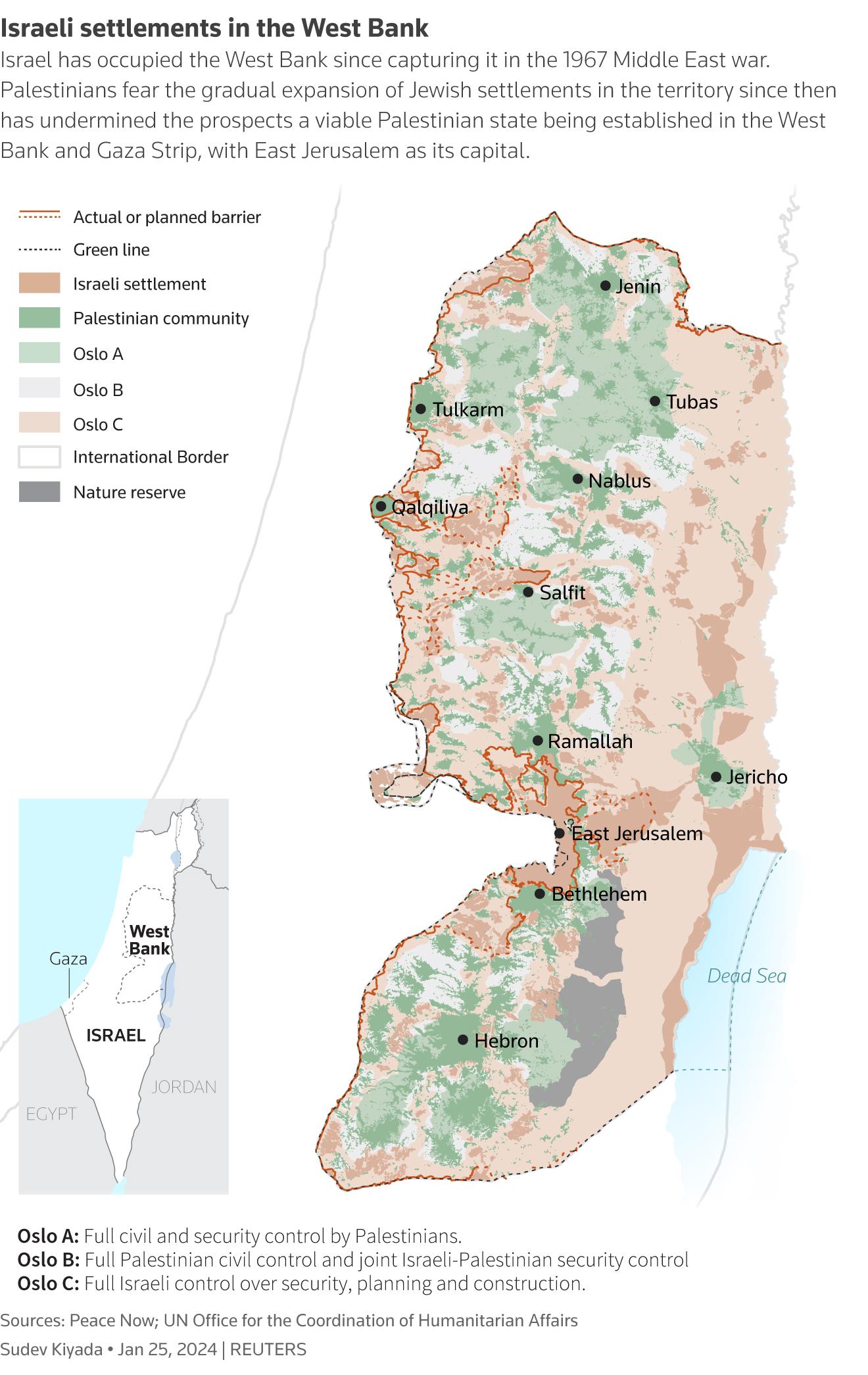
A cautious opening in Gaza toward a two state future
Momentum has shifted in quiet, careful increments-not as a sweeping endorsement but as a pragmatic recalibration shaped by scarcity, displacement, and the search for a livable horizon. A recent poll indicating that backing for a two-state path has roughly doubled since December suggests a window of possibility, albeit a narrow one, in which everyday needs-safety, income, movement-are beginning to outweigh maximalist rhetoric. This is not a mandate; it is a conditional openness that hinges on visible improvements and credible guarantees, where expectations are measured and the calendar matters as much as the map.
- Survival economics: Jobs, services, and reconstruction leverage are redefining what’s “acceptable” versus “ideal.”
- Security fatigue: A constituency weary of perpetual emergency is testing pathways that reduce volatility.
- Regional mediation: Incremental deals and humanitarian arrangements are seeding habits of cooperation.
| Period | Support Level | Key Mood | Driver |
|---|---|---|---|
| December | Low baseline | Defensive | Shock and loss |
| Now | ~2× higher | Wary hope | Stability & services |
Turning a tentative signal into a sustainable path requires verification, reciprocity, and dignity embedded in daily routines, not just diplomatic communiqués. Practical steps that build confidence are less theatrical and more procedural: they are trackable, repeatable, and felt at the household level. The test ahead is whether institutional scaffolding can match public patience-before it runs out.
- Monitored crossings: Predictable goods flow and travel permits tied to transparent benchmarks.
- Local governance pilots: Municipal services restored with independent auditing and community oversight.
- Phased detainee exchanges: Clear timelines, third-party verification, and public reporting.
- Reconstruction-for-security compacts: Sequenced projects that trigger as de-escalation holds.
- Joint utilities management: Water and power boards with professional standards and published data.
- Civic space guarantees: Protection for unions, media, and NGOs to channel nonviolent debate.
Inside the survey findings demographics drivers and doubts
The poll’s crosstabs sketch a reshaped landscape: backing in Gaza has not only grown overall but diversified across age, locality, and education. Younger respondents are still the pace-setters, yet the surge is broad-based-urban and rural communities register parallel climbs, and support among households hit hardest by income loss is no longer an outlier. While motivations vary, the pattern hints at a pragmatic recalibration: a preference for a political horizon that can restore mobility, services, and predictability, even as skepticism about implementation endures.
| Segment | Dec (%) | Now (%) | Shift |
|---|---|---|---|
| 18-29 | 16 | 35 | +19 |
| 30-49 | 20 | 41 | +21 |
| 50+ | 12 | 24 | +12 |
| Urban | 19 | 39 | +20 |
| Rural | 14 | 31 | +17 |
What’s moving opinions is less ideological conversion than lived experience: respondents describe exhaustion with stalemate, a premium on safety, and a desire to restart ordinary life-schools that open on time, permits that arrive, prices that stabilize. Still, the same interviews surface hard-edged doubts about timelines, borders, and guarantees. Many say they could accept a phased path if it comes with tangible milestones, third-party monitoring, and clarity over rights. Others float alternatives-confederal ideas, long interim arrangements-yet concede that without credible enforcement, any blueprint feels fragile.
Key drivers respondents cited
- Security and stability: a ceasefire-linked horizon seen as the quickest route to safety.
- Economic relief: reopening crossings, job access, and predictable utilities.
- Service delivery: education, healthcare, and reconstruction timelines matter more than labels.
- Regional signals: Arab and international engagement framed as leverage for guarantees.
Persistent doubts and caveats
- Implementation trust gap: uncertainty over enforcement, sequencing, and who polices violations.
- Final-status questions: borders, Jerusalem, prisoners, and movement rights remain flashpoints.
- Leadership credibility: skepticism toward all sides’ ability-or will-to deliver.
- Timeline fatigue: fear of endless “interim” phases without real change on the ground.
How the shift could reshape mediation timelines security guarantees and governance planning
Rising public appetite for a political horizon can compress negotiations from open-ended dialogue into a sequenced roadmap with measurable checkpoints. Expect an emphasis on time-bound confidence steps that align humanitarian relief with political moves, allowing mediators to tie each concession to a clear next action. Regional guarantors may synchronize their leverage-aid disbursements, access arrangements, and diplomatic upgrades-with a shared calendar, while third-party monitors log compliance to maintain momentum and reduce slippage between stages.
- Early triggers: expanded crossings, detainee exchanges, and protection for critical infrastructure
- Verification cadence: weekly incident reporting, public dashboards, and joint fact-finding
- Phased measures: de-escalation zones, reopening of services, and movement permits tied to performance
- Pivot points: launch of talks on borders and security protocols once baseline calm is sustained
Security guarantees will likely blend layered deterrence with community-level stabilization: temporary international observers, technology-enabled monitoring, and clearly defined red lines paired with incentives for restraint. Governance planning could advance in parallel via a technocratic interim mandate, focused on service delivery, transparent revenue handling, and security-sector restructuring under civilian oversight-creating a bridge from emergency administration to accountable institutions that can carry forward any political settlement.
| Track | Immediate (0-3 months) | Next (3-12 months) |
|---|---|---|
| Security | Ceasefire compliance cells; incident hotlines | Observer mission rollout; phased redeployments |
| Governance | Interim service boards; audited aid channels | Civilian oversight bodies; municipal elections prep |
| Economy | Corridor access; payroll stabilization | Customs coordination; SME grants and repairs |
Steps leaders can take now confidence building measures inclusive dialogue and targeted economic relief
The sharp rise in public openness to a political compromise is a narrow window that rewards practical, visible steps. Leaders can prioritize low-risk, high-impact actions that rebuild trust and signal that agreements will be honored. Early moves should be verifiable, time-bound, and jointly communicated, combining humanitarian pragmatism with symbolic gestures that acknowledge dignity and loss while reducing daily frictions.
- Predictable calm: coordinated ceasefire enforcement with third‑party verification and rapid incident hotlines.
- Movement and access: expanded permits for medical, educational, and family reunification travel; longer crossing hours with enhanced screening tech.
- Dignity‑first releases: prioritized exchange of the most vulnerable detainees, with transparent lists and timelines.
- Utilities restored: phased electricity and water repairs protected from politicization under neutral oversight.
- Truth and accountability: joint mechanisms for missing persons, casualty reporting, and public de‑escalation of rhetoric.
| Dialogue Track | Who’s at the Table | Immediate Output |
|---|---|---|
| Civil Protection | Security liaisons + UN | Incident hotline SOP |
| Humanitarian Access | Crossing admins + NGOs | Daily access bulletin |
| Families & Detainees | Legal reps + ICRC | Verified exchange list |
Targeted economic relief should be fast, fair, and trackable-stabilizing households today while laying foundations for a durable settlement. Blend cash‑first assistance with micro‑enterprise revival, public‑works jobs, and service restoration that reduces dependence on emergency aid. Build trust through transparent dashboards, independent audits, and grievance channels so benefits are seen as rights‑based, not patronage.
- Cash‑first aid: digital transfers to households with child, disability, and widow supplements.
- Work that rebuilds: wage subsidies for repairing clinics, schools, and water networks.
- SME restart: micro‑grants and toolkits for bakeries, farms, and repair shops with mentorship.
- Guardrails: public e‑dashboards, third‑party audits, and simple beneficiary appeals.
| Relief Tool | Target | Quick Metric |
|---|---|---|
| Digital Cash | 100k households | 72h delivery rate |
| Wage Subsidy | 10k jobs | Km of lines fixed |
| SME Grants | 5k firms | 90‑day survival |
Concluding Remarks
As the numbers settle, they don’t hand down verdicts; they sketch a horizon. That Gazan support for a two-state solution has doubled since December signals a shift in how a battered public weighs its options, without erasing skepticism or the obstacles ahead. Polls capture moments, not destinies, and in a place shaped by repeated crises and fragile ceasefires, margins of error and the constraints of fieldwork counsel caution.
Whether this uptick becomes a pathway will depend on decisions by leaders, security assurances, reconstruction, and the cadence of regional diplomacy. For now, the data suggest a narrow window opening where few expected one. The next surveys will show whether this is a gust or a prevailing wind. Between numbers and negotiations lies the slower work of rebuilding lives-work that will ultimately determine which futures people feel able to imagine, and to choose.