
In a war where front lines shift by the hour, one of the most contested battlegrounds runs through warehouses, checkpoints, and spreadsheets. In Gaza, the flow of aid-food, fuel, medicine-has become a barometer of the conflict and a lever within it, measured in trucks and hours rather than kilometers and casualties. Critics say Israel’s tight controls and periodic pauses amount to using relief as a pressure tactic; Israeli officials counter that restrictions are necessary to prevent diversion to Hamas and to preserve leverage in fragile negotiations, including over hostages.
The stakes are immediate and tangible: generators at hospitals, ovens in bakeries, water at desalination plants, all hinging on decisions made in war rooms and diplomatic corridors from Tel Aviv to Cairo to New York. International agencies warn of deepening humanitarian peril; Jerusalem points to security imperatives and misused shipments; allies urge more access while grappling with the mechanics of inspection regimes and border politics.
This article explores how aid has been calibrated and contested-who decides what gets in, on what terms, and to what effect. It traces the legal and strategic arguments on all sides, the diplomatic pressures shaping the gates, and the human consequences for civilians caught between policy and need.
Operational Mechanics of Israeli Aid Controls and Civilian Impact
Relief traffic moves through a layered clearance architecture built around security vetting, throughput caps, and coordinated convoy windows. At crossing points, consignments are matched to manifests, screened under dual‑use criteria, and slotted into time-bound departures jointly arranged by liaison units and aid coordinators. Controls adjust to incident reports and infrastructure constraints, producing a fluid tempo that can tighten or loosen within hours.
- Pre‑clearance: Digital manifests cross‑checked against restricted items rosters and consignee accreditation.
- Gate screening: X‑ray and physical inspections; tamper‑evident seals applied to pallets and trailers.
- Movement control: Deconfliction channels, approved routes, and staged convoy releases tied to alert levels.
- Throughput limits: Daily truck quotas, fuel availability thresholds, and power‑dependent unloading capacity.
- Priority lanes: Cold‑chain medicines and surgical kits queued for expedited handling when feasible.
| Flow element | Typical lead | Time window | Friction point |
|---|---|---|---|
| Manifest approval | Coordination cells | 4-24h | Dual‑use queries |
| Cargo screening | Border teams | 1-6h | Queue length |
| Convoy dispatch | Liaison offices | Fixed slots | Air/ground alerts |
| Handoff to NGOs | UN/partners | 2-8h | Last‑mile access |
While these mechanisms are designed to curb diversion and manage security risk, their cumulative delays ripple through daily life: supply intervals widen, markets reset around scarcity, and service providers triage. Humanitarian teams adapt with pre‑positioning, flexible modalities, and micro‑corridors, yet the margin for error narrows when demand spikes or networks are disrupted.
- Health: Deferred deliveries of anesthesia and antibiotics; fragile cold‑chains for vaccines and insulin.
- Food: Irregular flour inflows; breadline surges; price volatility for staples.
- Water & sanitation: Delays in chlorine and pump parts reduce treatment hours and pressure.
- Shelter: Tarpaulins and repair kits lag behind displacement spikes and damage assessments.
- Protection: Distributions pause during escalations, increasing crowding and exposure at collection sites.
Tracking the Aid Pipeline From Border Crossings to Distribution With Data and Verification
Visibility begins at the gate with digitized manifests, GPS pings, and crossing logs that create a tamper-evident trail from convoy entries to depot handovers. Pairing seal photos, QR-labeled pallets, and signed receipts with cryptographic checksums turns every transfer into a verifiable handoff, while open dashboards can display wait times, cleared tonnage, and variance between customs declarations and warehouse intake. To reduce data friction, the same parcel ID should persist end-to-end, letting auditors compare what was promised, what moved, and what arrived-without exposing protected identities or sensitive routes.
- Core fields: convoy ID, truck plate, commodity mix, weight, lot/batch, seal number, ETA/ETD, driver handoff signature
- Quality gates: temperature bands (cold-chain), spoilage flags, photo evidence on loading/unloading, exception codes
- Integrity tools: hash of manifest PDFs, offline-friendly QR scanning, duplicate-detection for repeated claims
- Public snapshots: clearance counts by day, median dwell time, delivery completion rate, disputed consignments
Assurance improves when multiple eyes verify the same event: UN agencies validate border entries; NGOs confirm depot receipts; community committees witness distributions; and third-party monitors sample post-distribution outcomes. Feedback loops-hotlines, SMS surveys, and red-flag forms-are linked to shipment IDs, so complaints map to specific lots. By publishing minimal-but-meaningful aggregates and redacting precise geodata until after delivery, coordinators balance transparency with security, demonstrating that aid flows are governed by evidence, not perception.
| Segment | Key Data | Verifier | Updates |
|---|---|---|---|
| Border Entry | Manifest, seals, weights | UN/OCHA, customs | Real-time |
| Transit | GPS pings, geofence | 3rd-party trackers | 15-60 min |
| Warehouse | Pallet counts, temps | NGO logisticians | Daily |
| Last-Mile | QR scans, receipts | Local partners | Same day |
| Post-Delivery | Surveys, complaints | Monitors, councils | Weekly |
International Humanitarian Law Standards and Options for Independent Oversight
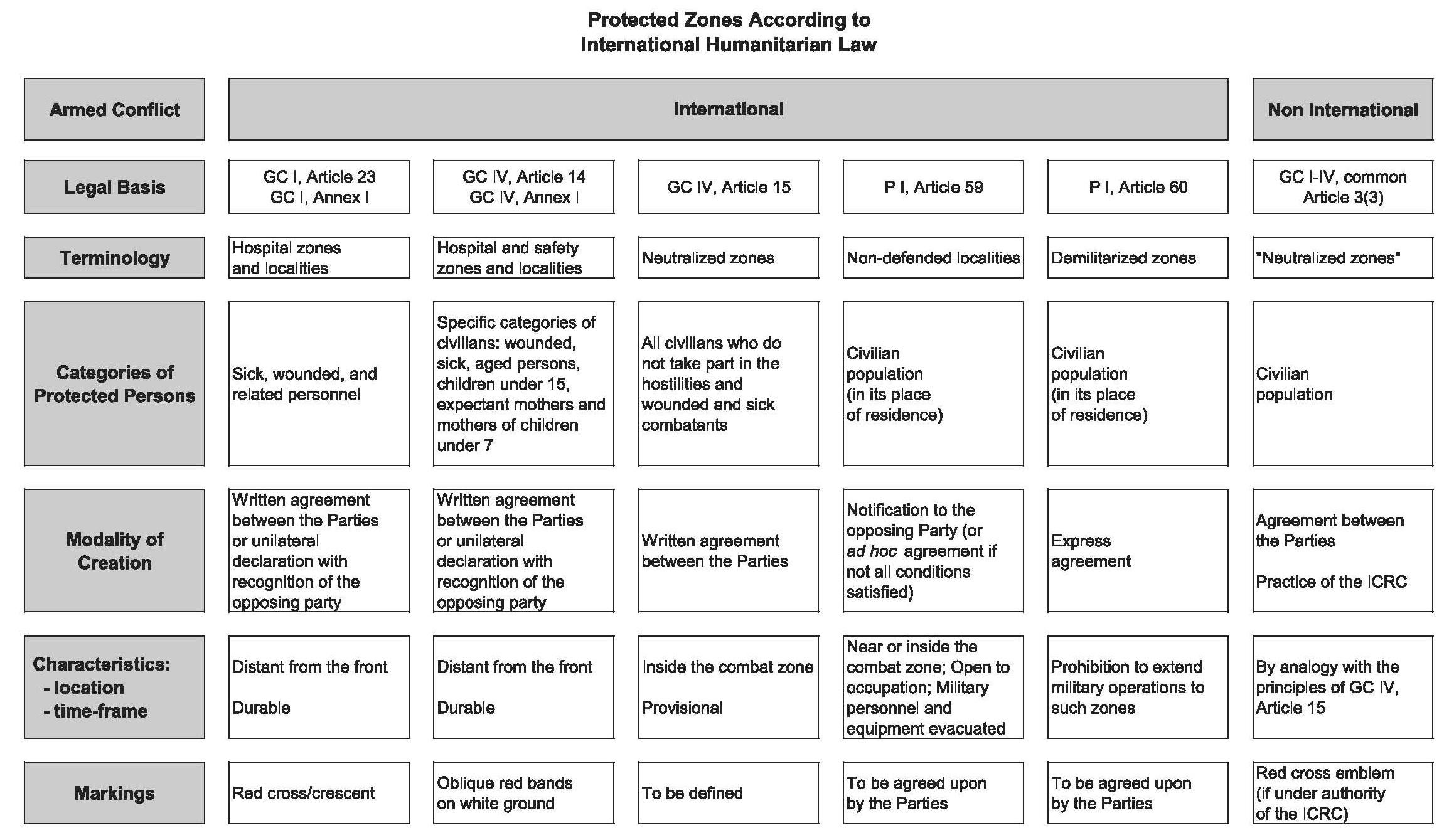
Under international humanitarian law, parties to an armed conflict must ensure unhindered humanitarian relief to civilians in need, subject only to temporary, strictly necessary, and non-discriminatory controls. Core standards-distinction, proportionality, precautions in attack, and humanitarian access-require that aid not be instrumentalized as leverage, and that vetting measures be transparent, time-bound, and reviewable. The prohibition on starvation of civilians as a method of warfare underscores the duty to facilitate supplies essential to survival, while safe passage, deconfliction, and protection of humanitarian personnel and objects remain baseline obligations even amid hostilities.
- Clear criteria: Publicly available rules for approving, delaying, or redirecting relief, with narrowly tailored security justifications.
- Proportional checks: Risk-based screening that minimizes delays to food, water, fuel, and medical items.
- Independent review: A neutral appeal channel for contested denials or prolonged holds.
- Verified needs: Regular, third-party assessments to calibrate aid flows to civilian requirements.
- Safety guarantees: Real-time deconfliction, identifiable convoys, and incident reporting for accountability.
- Data protection: Privacy-preserving beneficiary verification to avoid harm or reprisals.
Independent oversight can be layered to balance legitimate security concerns with civilian protection. Options include neutral access arrangements for the ICRC, a UN-led humanitarian monitoring cell for movement tracking and incident logging, third‑party logistics verification at crossings and warehouses, and remote-sensing dashboards combining satellite imagery, fuel-use audits, and open-source analyses. A donor-pooled compliance framework-with an ombudsperson, community feedback hotlines, and time-stamped disclosure of denials-can improve transparency, while recurring joint reviews by legal and operational experts help keep measures aligned with evolving IHL interpretations and on-the-ground realities.
| Mechanism | Role | Strength | Limitation |
|---|---|---|---|
| ICRC Access | Neutral visits, convoy facilitation | High trust | Depends on consent |
| UN Monitoring Cell | Track clearances, incidents | System-wide view | Reporting delays |
| 3rd-Party Logistics Monitor | Inspect routes, warehouses | Operational detail | Access constraints |
| Satellite/Audit Consortium | Fuel, delivery verification | Independent data | Interpretation gaps |
| Ombudsperson | Review denials, complaints | Remedy pathway | Non-binding |
Recommendations to Expand Access Strengthen Deconfliction and Protect Civilians
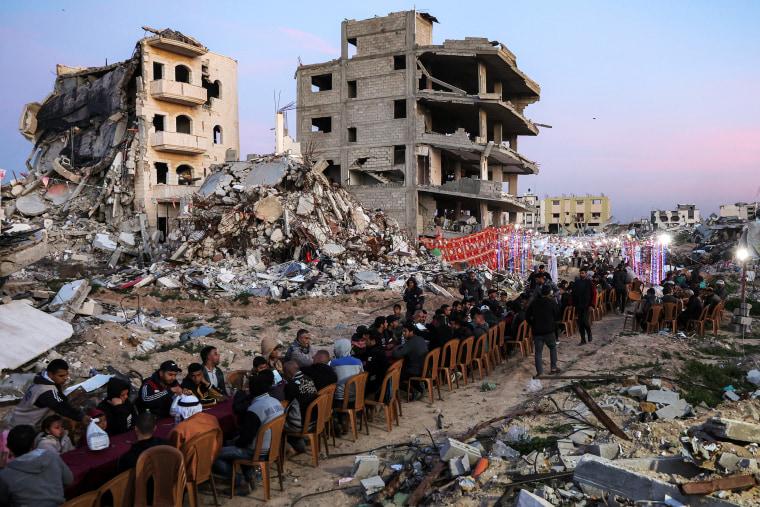
For relief to reach civilians consistently amid active hostilities, stakeholders should prioritize practical, monitorable steps that keep crossings open, convoys safe, and lifelines powered. This means shifting from ad hoc permissions to predictable schedules, and from fragmented calls to a shared operational picture maintained by neutral coordinators.
- Guarantee predictable access via multi-day humanitarian windows and clearly signposted corridors, including maritime and land routes integrated into a single calendar.
- Real-time deconfliction through a 24/7 joint operations cell with unified radio channels, encrypted convoy clearance codes, standardized vehicle markings, and redundant satellite communications.
- Fuel and utilities safeguards using tamper-evident seals, shared meter readings, and third‑party audits to keep hospitals, water plants, and shelters powered.
- Priority caseloads with fast‑lanes for medical evacuations, neonatal supplies, dialysis consumables, and cold‑chain medicines agreed at least 72 hours in advance.
- Local logistics enablement through time‑bound waivers for forklifts, generators, spare parts, and mobile storage units positioned near last‑mile hubs.
| Access Mechanism | Lead Actor | Frequency | Verification |
|---|---|---|---|
| Humanitarian Window Notices | Joint Ops Cell | 48h rolling | OCHA/ICRC bulletin |
| Convoy Clearance Codes | Military Liaison | Per movement | GPS + radio check |
| Corridor Health Checks | UN + NGOs | Daily | Traffic + incident log |
| Fuel Meter Snapshots | Utility + Monitor | Twice daily | Photo + seal ID |
Reducing harm to civilians requires clear buffers, rapid information sharing, and a culture of precaution that is visible in procedures and outcomes. Humanitarian movement should be paired with community alerts, calibrated pauses after incidents, and services designed to keep people safe while they access aid.
- Dynamic safe‑site mapping of shelters, clinics, water points, and aid queues, updated hourly and distributed offline to communities and drivers.
- Incident pause triggers that automatically suspend movements for six hours after any strike or firefight within 500 meters of a declared route or aid site.
- No‑strike registries with hashed GPS lists of humanitarian assets shared via secure channels and refreshed on a fixed schedule.
- Accountability and feedback through toll‑free lines, SMS, and messaging apps in multiple languages, with a 24‑hour response SLA and public anonymized reporting.
- Protection mainstreaming at distribution points: gender‑sensitive queues, child‑friendly spaces, disability access, shade and lighting, and trained crowd managers.
- Data minimization that limits personal details while providing aggregate needs dashboards to guide targeting‑averse aid decisions.
The Conclusion
In the end, aid in Gaza has become both lifeline and lever-an object of logistics and a currency of influence. Critics see coercion where officials claim security calculus; one side warns of collective punishment, the other of necessary leverage in a volatile theater. Between them stand civilians for whom a truck’s arrival or delay is not a policy debate but the margin between scarcity and survival.
What happens next will hinge less on declarations than on mechanisms: verifiable corridors, predictable flows, transparent oversight, and protections that hold under fire. Whether essential relief can be insulated from tactical bargaining remains contested, but the measure of any approach will be counted in stabilized clinics, reopened bakeries, and nights passed without hunger. Between the arithmetic of strategy and the ethics of survival lies the narrow space where policy turns into consequence-and where this conflict’s next chapter will be written.