
Amid the thrum of an ongoing war, a rare pause may be coming into view. In a televised announcement, Qatar confirmed that Israel and Hamas have agreed to an arrangement linking a ceasefire in Gaza to the release of hostages-an accord shaped by weeks of shuttle diplomacy and round-the-clock mediation.
The video above captures the moment Doha laid out the framework, signaling cautious movement toward de-escalation while leaving key details-timelines, verification, and implementation-under close watch. For families waiting on word and civilians bracing for another night, the agreement is both a lifeline and a test: a measure of whether a fragile pause can hold long enough to open corridors for relief and return people home. Here is what we know so far, and what remains uncertain.
Inside Doha’s diplomacy as Qatar brokers the hostage ceasefire accord
In hotel suites recast as situation rooms along the Corniche, Qatari facilitators choreographed parallel tracks-humanitarian logistics and security guarantees-into one calibrated sequence. Encrypted bridges linked Doha, Cairo, Tel Aviv, and Gaza as drafts evolved from talking points into phased releases tied to a verifiable pause. The method was procedural rather than theatrical: sharpen the language, test the pathways, then lock them with third‑party validation. Each clause carried a counterpart-verification before movement, movement before announcements-so the deal could be measured, not merely declared.
- Backchannels: quiet triads to resolve sticking points without public brinkmanship
- Time windows: short, renewable pause blocks to synchronize releases and aid
- Semantic bridges: pragmatic wording to align security and humanitarian aims
- Neutral guarantors: outside monitors to certify lists, routes, and timings
- Deconfliction: a single hotline for rapid incident reporting and fixes
| Element | Purpose | Lead |
|---|---|---|
| Hostage lists | Daily verification | ICRC |
| Pause windows | Humanitarian access | Qatar |
| Aid corridors | Fuel, medicine, food | Egypt/UN |
| Deconfliction line | Incident reporting | U.S./Qatar |
| Joint cell | Real‑time monitoring | All parties |
Behind the scenes, Doha bundled assurances with practical incentives: limited pause windows linked to confirmed names, audit trails for relief convoys, and standing channels if timetables slip. Compliance hinges on simple, countable markers-convoys cleared, lists matched, calls completed-while once‑contentious terms were recast as operational checklists. The architecture is intentionally modest yet durable: measurable steps, neutral guarantors, and a shared interest in preventing escalation while families await news.
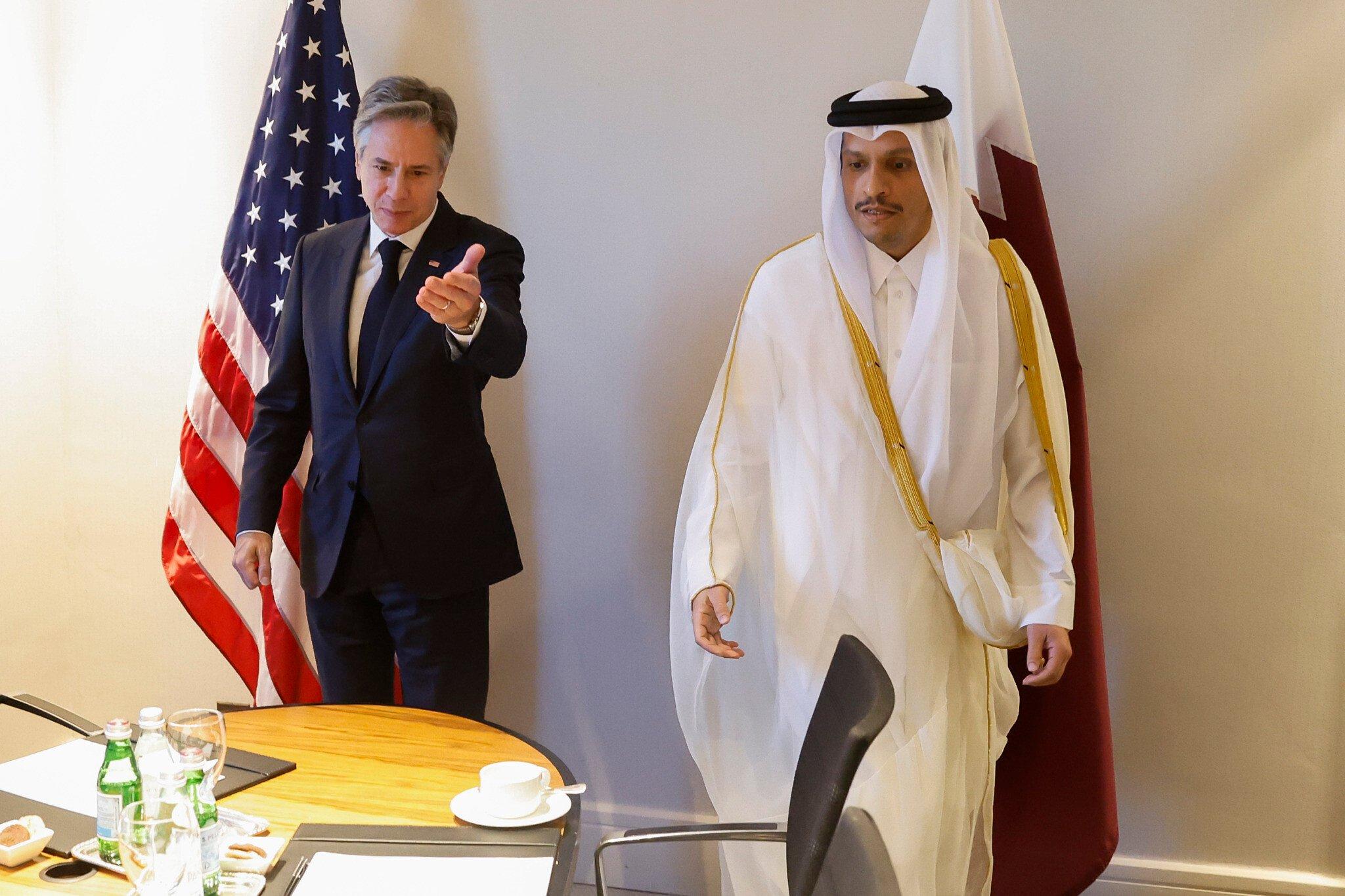
Key provisions of the deal including timeline verification and exchange terms
Qatar-led mediation outlines a structured pause tied to staged releases, with clear sequencing, time-stamped checkpoints, and external monitors. The framework couples phased releases with a synchronized humanitarian pause, binding both sides to auditable steps, safe corridors, and daily review windows overseen by third‑party verification teams.
- Eligibility tiers: priority to minors, women, elderly, and urgent medical cases.
- Sequence & timing: handovers occur in daily tranches within agreed windows.
- Verification stack: ICRC presence, manifest cross‑checks, and time‑stamped handover logs.
- Access & aid: fuel, food, and medicine scale with progress; protected routes remain open.
- Non‑violation clauses: pauses extend only upon confirmation; incidents reviewed via a joint hotline.
| Phase | Window | Action | Verifier | Handover |
|---|---|---|---|---|
| Day 1 | Morning | First tranche release | ICRC/UN | Rafah or Kerem Shalom |
| Day 2 | Afternoon | Aid convoy scale‑up | UN agencies | Pre‑agreed corridors |
| Day 3 | Evening | Second tranche release | ICRC | Designated site |
Exchange terms are anchored in mutually recognized lists, legal screening, and proportionality principles, with ratios set in advance and categories specified. Transfers proceed under neutral escort, including medical checks, family notifications, and real‑time compliance reporting; any dispute triggers a joint review cell, with measured pause extensions or snapbacks as outlined.
- Lists and manifests: names validated by both sides before each tranche.
- Categories: civilians and detainees prioritized by humanitarian criteria.
- Transport & safety: GPS‑tracked convoys and temporary no‑strike buffers.
- Communications: secure confirmation channel; public updates after completion.
- Contingencies: if a step slips, clocks pause and the next tranche is re‑sequenced.
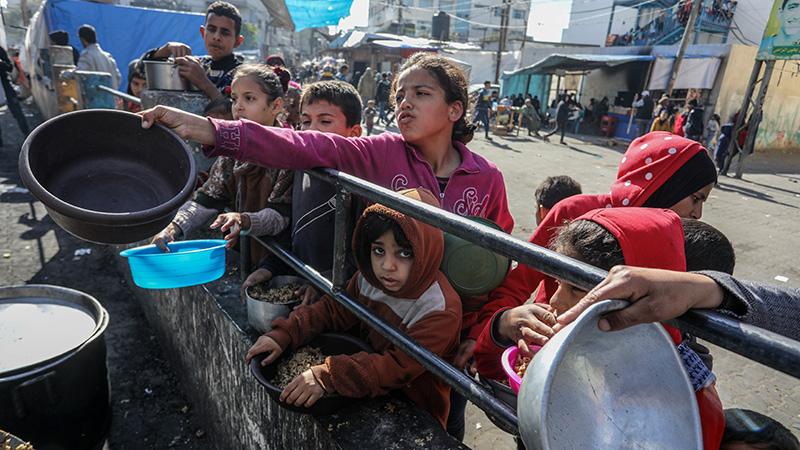
Humanitarian implications for Gaza including safe passage aid flows and on the ground monitoring
Ceasefire pauses can open narrow but vital “green windows” for civilians and convoys, provided routes are clearly deconflicted, time-bound, and communicated in advance. Neutral guarantees-facilitated by mediators and implemented with UN and ICRC coordination-should create predictable lanes, with ambulances first, fuel and medical kits under tamper-evident seals, and food/water prioritized to high-need districts. Pre-clearance of manifests, GPS-tracked fleets, and rapid dispute-resolution hotlines reduce choke points while preserving security vetting. When paired with transparent criteria for convoy composition and community notice in Arabic and English, these measures turn a temporary pause into life-saving access.
| Route | Window (hrs) | Priority Cargo | Escort | Status |
|---|---|---|---|---|
| Kerem Shalom (South) | 6 | Medical kits, flour | UN/ICRC | Active, capacity-limited |
| Erez/Beit Hanoun (North) | 4 | Ambulances, water | UN/NGO | Conditional access |
| Coastal shuttle (offshore) | 8 | Ready-to-eat rations | Neutral monitors | Pilot corridor |
| Internal East-West lane | 3 | Fuel for hospitals | Civilian police/UN | Planned, on approval |
- Manifest certainty: pre-cleared lists shared 24 hours ahead.
- Smart seals: RFID/tamper tags on high-risk items (fuel, generators).
- Ambulance precedence: green-lighted at every checkpoint.
- Community notice: SMS/Radio alerts of convoy timing and streets.
- Deconfliction updates: hourly route advisories to all parties.
Effective access depends on on-the-ground monitoring that is independent, layered, and fast. A joint humanitarian verification cell-linking UN OCHA, ICRC, neutral observers, and liaison officers-can track convoys in real time, log incidents, and publish open, aggregate dashboards without exposing sensitive details. Field monitors, community focal points, and medical facility liaisons provide ground truth, while secure hotlines enable civilians to report obstruction or diversion. Accountability triggers-automatic reviews after delays, tamper alerts, or security events-help keep the pause credible and adaptable, ensuring aid reaches people where needs are most acute.
- Key metrics: trucks/day, liters of water/person/day, hospital fuel hours.
- Equity checks: North/South delivery split, reach into high-risk areas.
- Protection signals: ambulance transit times, incident reports resolved.
- Transparency: public summaries every 24 hours, with corrective actions.
Practical recommendations for Israel Hamas and mediators to reinforce compliance and deescalation
Concrete, synchronized steps can keep a fragile pause from unraveling: lock releases, pauses, and aid convoys to shared clocks and neutral escorts; use a single secure hotline for commanders and mediators; and pre-approve routes, drivers, and inspection routines to reduce improvisation. Build a misfire-to-mitigation ladder that prioritizes verification over retaliation, with rapid fact-finding, containment perimeters, and time-bound remedial actions. Public messaging should follow a de-escalation code-no triumphalism, no inflammatory imagery, and coordinated rumor rebuttals-so that narratives don’t outpace ground truth.
- Synchronize windows: Hostage handovers, detainee releases, and aid entries tied to verifiable timestamps and GPS pings.
- Joint operations room: Qatar, Egypt, and UN liaison teams co-located with Hebrew/Arabic translators and secure comms.
- Humanitarian corridors: Pre-cleared routes, color-coded time slots, and dual-inspection to speed throughput.
- Incident triage: 6-hour investigation hold, drone-free buffer where feasible, and agreed third-party forensics.
- Message discipline: Shared fact-sheets within 60 minutes of incidents; remove unverifiable claims within 24 hours.
A durable pause benefits from transparent metrics and predictable incentives. Tie extensions to measurable compliance-no-fire intervals, aid tonnage delivered, and medical evacuations completed-monitored by neutral observers with public dashboards. Use graduated responses: small breaches trigger corrective measures and tighter verification, while serious violations prompt automatic time deductions or delayed exchanges, all overseen by mediators empowered to authenticate evidence and unlock predefined fallbacks.
| Commitment | Verification | Time Window | Fallback |
|---|---|---|---|
| Hostage handover | ICRC custody + live timestamp | ±15 min of slot | Extend corridor 1 hr; next batch held |
| Detainee release | Prison logs + GPS transfer proof | Same-day | Neutral audit; swap sequence adjusted |
| Ceasefire hold | Monitored no-fire map | Rolling 24 hrs | Investigate breach; pause resets post-findings |
| Aid throughput | Convoy manifests scanned | Daily target | Open second gate; extend inspection hours |
| Medical evacuations | Hospital and border logs | 4-6 hrs | Mediator escort; priority lane activation |
The Conclusion
Qatar’s confirmation sketches a narrow bridge in a landscape long defined by rupture: a pause bound to the fate of captives and the cadence of aid trucks. What follows will hinge on choreography as much as politics-lists and timings, corridors and checks, the quiet arithmetic of return.
If the terms hold, success will look modest yet profound: families reunited without camera lights, nights without sirens, convoys making it to neighborhoods that have forgotten what a full pantry feels like. If they falter, the familiar gravity of escalation will reassert itself.
For now, expectation and caution travel together. This is not resolution, but it is a chance-fragile, conditional, and urgently needed. The coming days will test whether this pause can carry more than silence, and whether a single agreement can open space for lives to resume, even briefly, on ordinary terms.