
The room is quiet save for the soft creak of a chair and the rustle of a photo being set back on a shelf. A father, newly versed in the vocabulary of loss, chooses his words carefully. He is not trying to inflame or absolve. He is asking the world to look more closely at Oct. 7-to see not only the militants who stormed the fences, but, as he believes, the civilians in Gaza whose actions or inaction threaded through that day.
His appeal lands in a place where grief meets controversy. Survivors’ testimonies, fragments of footage, and competing narratives have already been enlisted by every side. Yet his call is neither a demand for collective blame nor an erasure of Gazans’ suffering. It is a plea for acknowledgment-precise, evidence-based, and unsparing-so that the story of what happened can be told in full, and the moral lines that follow can be drawn with clear eyes.
A grieving father and the global debate on civilian responsibility
His voice, threaded with loss, asks for nuance: to see not a monolith but a spectrum of choices made under fear, fury, or conviction. He describes a mosaic in which some Gazans are alleged to have assisted attackers, others remained silent, and still others reportedly shielded the vulnerable-each tile demanding sober scrutiny rather than slogans. He calls for moral clarity without collective blame, for a language that can hold both grief and law at once: the imperative to recognize individual agency where it exists, and the equally binding duty to uphold civilian immunity and humanitarian protections.
- Acknowledgment means distinguishing between perpetrators, accomplices, coerced bystanders, and non-involved civilians.
- It does not license collective punishment, dehumanization, or shortcuts around international law.
- Claims should be evidence-led, sourced, and specific-resisting the pull of viral certainty.
- Language matters: name acts, not peoples; assign responsibility, not identity.
| Focus | Meaning | Implication |
|---|---|---|
| Distinction | Combatants vs. civilians | Targeting must be case-specific |
| Proportionality | Harm vs. military advantage | Even rightful aims have limits |
| Agency Spectrum | From complicity to protection | Responsibility is individualized |
| Verification | Corroborate allegations | Policy follows proof, not virality |
Across capitals and comment threads, the debate turns on a difficult pairing: accountability and restraint. The father’s plea threads into that conversation by insisting that recognition of specific civilian roles-where demonstrable-must coexist with a strict rejection of collective guilt. In practice, that means documenting acts with rigor, protecting those uninvolved, and shaping responses that close the gap between justice and legality, not widen it. Only then can grief inform policy without becoming a license for further harm.
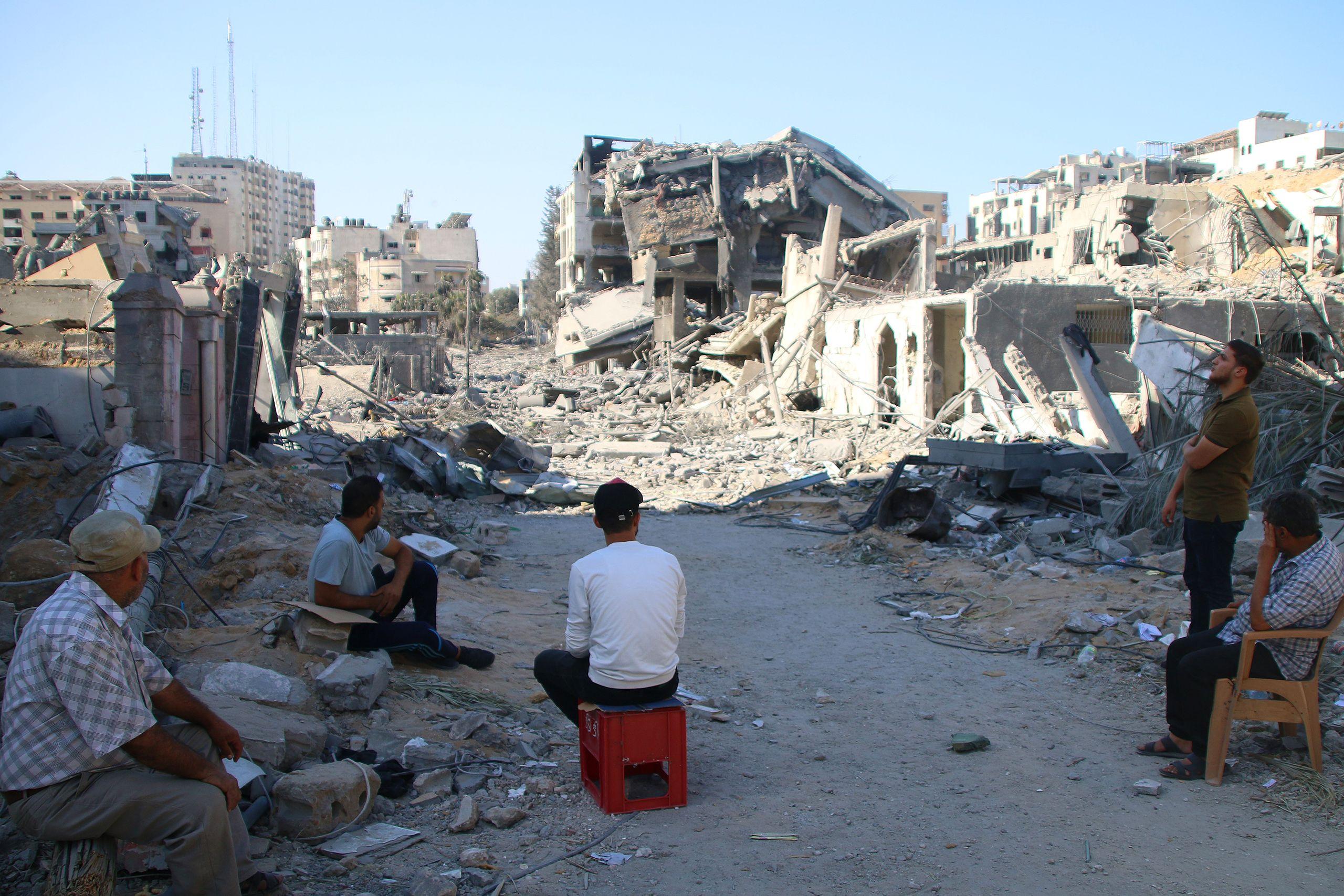
Evidence pathways witness accounts digital forensics and alleged patterns of participation
Claims about civilian involvement demand careful, methodical scrutiny that resists both denial and overreach. To weigh the grieving father’s appeal against the standard of public-interest verification, investigators typically triangulate human testimony, digital traces, and physical context, watching for corroboration rather than singular, unmoored clips. This means privileging chain-of-custody, time-stamps, and geolocation, while bracketing unverified virality. It also means acknowledging uncertainty: witness memory can be fragmentary; video can be edited; metadata can be spoofed. A disciplined approach asks not only what happened, but who, how, and under what conditions-including coercion, opportunism, and the chaos of mass events.
- Witness accounts: survivors, first responders, nearby residents; cross-checked across languages and time.
- Open-source visuals: livestreams, short-form videos, satellite passes; geolocated and time-synced.
- Device forensics: handset logs, media EXIF, cell-site records; assessed with documented provenance.
- Platform telemetry: upload times, edits, deletions; mapped against real-world events.
- Physical traces: tool marks, vehicle tracks, clothing residues; linked (or de-linked) to scenes.
- Pattern analytics: route repetition, cluster timing, group composition shifts; flags for further review.
From these streams, analysts explore alleged participation patterns-for instance, distinctions between organized militants, opportunistic followers, coerced individuals, and bystanders-without collapsing them into a single category. Repetition of identifiers, pathway recurrences between sites, synchronized time clusters, or post-event circulation of goods may suggest roles, yet each indicator carries error bars. The ethical horizon stays fixed: minimize harm, avoid doxxing, protect sources, and separate attribution from collective blame. Findings should be framed with confidence levels and peer review, making space for exculpatory data and documented retractions when evidence fails.
| Evidence | Shows | Caveats |
|---|---|---|
| Witness testimony | Behavior, sequence | Stress, recall bias |
| Geolocated video | Place, presence | Edits, miscaptioning |
| Telecom records | Proximity, timing | Coverage gaps |
| Forensic traces | Material links | Transfer, contamination |
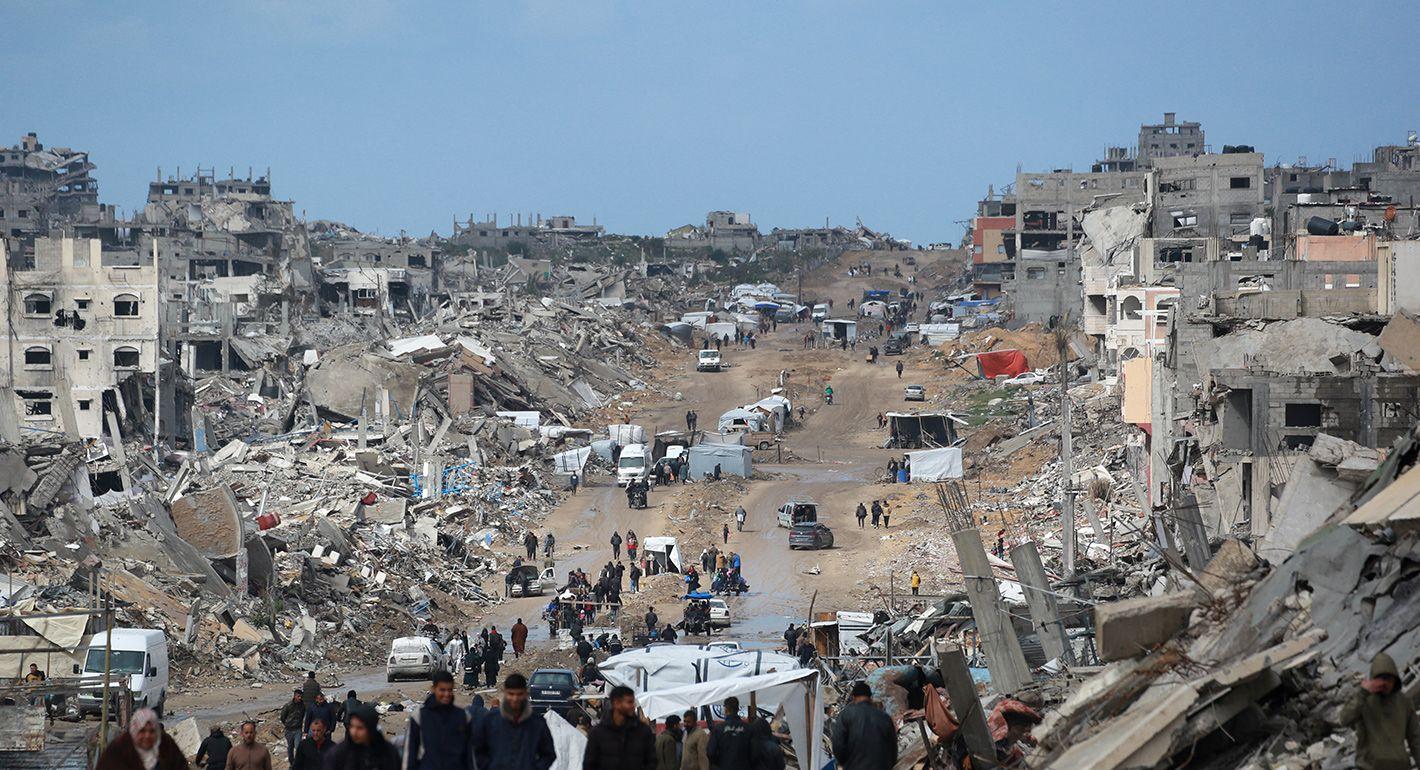
Contextualizing coercion governance and the pressures shaping behavior in Gaza
Calls to recognize the part civilians may play sit alongside a hard look at agency under duress. In Gaza, power is layered and often coercion-driven: de facto security organs, neighborhood committees, clan elders, aid gatekeepers, and black‑market brokers collate loyalty and silence. Survival economies-cash-for-access, tunnelized supply chains, proximity to arms-reshape daily choices. When the costs of dissent include retaliation, detention, or social excommunication, the meaning of applause, flags, or convoy swarming can blur between conviction and compliance. Public behavior becomes a negotiation with fear, obligation, and opportunism rather than a pure statement of belief, and the optics of mass participation may say more about risk calculus than ideological zeal.
- Retaliation risk: Fear for self and family can convert refusal into attendance or silence.
- Patronage dependency: Rations, jobs, and permits often hinge on visible loyalty.
- Information control: Messaging monopolies and rumor mills narrow perceived choices.
- Honor and clan norms: Masculinity codes and kin pressure amplify conformity.
- Omnidirectional surveillance: Neighbors, checkpoints, and digital traces punish deviation.
- War economy incentives: Smuggling margins and scarcity profits reward alignment.
| Lever | Mechanism | Civilian Signal | Caveat |
| Retaliatory force | Threats to family | Attendance at rallies | May equal self-preservation |
| Patronage | Jobs/aid via loyalty | Public displays | Transactional, not ideological |
| Schooling/media | Curriculum control | Chants, symbols | Performance under scrutiny |
| Siege scarcity | Gatekeeping supplies | Queueing with flags | Access signaling |
| Digital virality | Rewarded content | Polarized posts | Algorithmic bias |
Accountability debates must parse distinctions without collapsing them into blanket blame or blanket exoneration. The question is not only “did civilians take part?” but “what spectrum existed-from willing complicity to coerced compliance to quiet subversion-and how do we credibly tell them apart?” Transparent evidence standards, time-stamped geolocation, pattern analysis over isolated clips, and testimonies cross-checked against known repression practices can help. Recognizing pressures does not erase harm; it clarifies the moral map: who chose, who was cornered, and who tried to shield others. A rigorous lens preserves both human dignity and legal precision, minimizing collective attributions while still identifying real enablers.
- Avoid single-clip certainty: Seek multi-source corroboration and longer timelines.
- Weight proximity to violence: Logistics, incitement, and material support differ from crowd presence.
- Map alternatives: Document what safe exit or dissent options actually existed.
- Distinguish profit from belief: Benefiting from scarcity isn’t always ideological alignment.
- Center the coerced: Note acts of quiet resistance, sheltering, or information leakage.
Actionable steps for media investigators and governments to pursue accountability without collective punishment
For media investigators, the mandate is to build a verifiable record that distinguishes individual culpability from the lives of noncombatants. Center the work on provenance, consent, and context: publish methods notes, maintain chain‑of‑custody for files, and use independent corroboration across language communities and platforms. Employ trauma‑informed interviewing and source protection (redactions, delay tactics, safety check‑ins), while separating expressive speech from direct participation. Commit to transparent corrections and open OSINT standards so others can reproduce results without exposing vulnerable civilians.
- Verify at the pixel level: geolocate, timestamp, hash, and archive with immutable logs; flag AI‑generated media before publication.
- Corroborate laterally: pair witness testimony with sensor data, satellite captures, and medical or telecom records where legally obtainable.
- Minimize harm: blur faces, alter voices, and strip EXIF; never publish contact details or identifiers of uninvolved civilians.
- Share responsibly: create embargoed evidence bundles for courts/monitors, separate from public storytelling to avoid misidentification.
- Document uncertainty: label unverified claims, and preserve null results to prevent rumor from filling gaps.
For governments and oversight bodies, focus on individualized accountability anchored in law, not category‑based punishment. Prioritize targeted measures (indictments, travel bans, asset freezes) tied to evidence and due process; invest in independent inquiries with public reporting calendars; and firewall humanitarian flows from coercive tools. Build mechanisms that encourage testimony and cooperation without sweeping sanctions that harm bystanders, and install sunset clauses and judicial review to prevent mandate drift.
- Prosecute specifically: use universal jurisdiction where applicable; issue warrants on named individuals with clear elements of offense.
- Protect civilians materially: license critical goods, keep communications and medical systems exempt, and monitor end‑use.
- Secure evidence lawfully: deploy mixed teams (forensics, linguists, cultural advisors) and preserve sites via supervised access windows.
- Create safe reporting lanes: encrypted portals, whistleblower protections, and non‑refoulement guarantees for witnesses.
- Audit policy impact: independent panels track civilian outcomes; adjust or lift measures that show collateral harm without gains in accountability.
| Mechanism | Purpose | Safeguard |
|---|---|---|
| Targeted sanctions | Freeze assets of named suspects | Humanitarian carve‑outs, review dates |
| Individuated indictments | Charge conduct, not identity | Evidence thresholds, defense rights |
| Evidence escrow | Secure originals for courts | Chain‑of‑custody, access logs |
| Licensing regime | Keep aid and utilities flowing | Independent monitors, end‑use checks |
| Transparency dashboard | Public metrics and timelines | External audits, appeal channels |
To Conclude
In the end, his plea is less a verdict than a demand for eyesight. Between headlines and hashtags, he asks the world to look closely at Oct. 7-not only at the militants who planned it, but at the contested, uncomfortable questions of who enabled, witnessed, resisted, or suffered under it. Critics warn that such scrutiny can blur into collective blame; supporters argue that accountability loses meaning when it avoids the hardest rooms. Both impulses reveal a truth: grief and examination can coexist, and must.
Whether one agrees with his framing or not, the father’s voice insists on precision-on distinguishing between perpetrators, bystanders, the coerced, and the courageous; on resisting the numbness of broad strokes. Acknowledgment is not a sentence but a safeguard, a way to keep future eulogies from being written. History will remember what we dared to see, and what we chose to look away from.