
Beyond the front lines, a quieter war unfolds-one fought not with bullets, but with broken pipes, darkened corridors, and the slow, invisible spread of sickness. In Gaza’s tightening grid of shattered infrastructure and scarce essentials, the environment itself becomes an adversary. Water turns unreliable, air fills with dust and fumes, and hospitals struggle under impossible strain. For Israeli soldiers operating in this maze and for captives held within it, the greatest threats are often the ones they cannot see or hear.
This is a story about hazards that pay no attention to uniforms or allegiances: contamination that undermines stamina and judgment, infections that thrive in overcrowded shelters, unstable buildings that collapse without warning, and the missteps born of fatigue, confusion, and failing communications. It is about how the erosion of basic services-power, sanitation, medical care-amplifies every risk and narrows every margin for survival, rescue, and recovery.
Unseen Enemies examines the convergence of public health, urban ruin, and military reality-an ecology of danger where each breakdown multiplies the next. It asks what happens when the battlefield is also a blackout, a shortage, a fever; when time works not only for or against a mission, but against the human body itself.
The microbial frontline: Dirty water, crowded shelters and untreated wounds fuel sepsis and cholera risk; prioritize field chlorination, point of care cultures, tetanus boosters and timely debridement for soldiers and captives
When pipes run brown and shelters crowd tight, microscopic adversaries seize the initiative. For Israeli soldiers on the move and captives confined in tunnels and safehouses alike, exposure pathways multiply: a canteen refilled from a dubious tap, a laceration wrapped with improvised gauze, a latrine shared by dozens. In this pressure cooker, Vibrio, Shigella, and E. coli turn thirst into cholera-like dehydration, while soil-smeared shrapnel wounds can progress toward sepsis if not promptly cleaned and covered. The threat is less cinematic than a firefight-and far more pervasive-because it breeds in routine tasks: drinking, washing, sleeping, bleeding.
- Risk accelerants: stagnant water, overflowing latrines, greywater runoff, and heat-stressed storage.
- Transmission hubs: shared bedding, close quarters, poor ventilation, and scarce soap.
- Clinical blind spots: empiric antibiotics without culture guidance; delayed wound care.
- Host vulnerabilities: exhaustion, malnutrition, and missed immunizations.
| Action | Why it matters | Minimum kit |
|---|---|---|
| Field chlorination | Neutralizes waterborne pathogens at the source | HTH tabs, bucket, test strips |
| Point‑of‑care cultures | Targets therapy; curbs resistance and guesswork | Sterile swabs, dipslides |
| Tetanus boosters | Prevents lethal neurotoxin illness from dirty wounds | Td/Tdap, syringes |
| Timely debridement | Removes devitalized tissue; lowers sepsis risk | Sterile tools, analgesia, dressings |
| ORS at the ready | Rapid rehydration averts shock in severe diarrhea | ORS packets, zinc tabs |
The counteroffensive is pragmatic and portable. Start by making water an ally: chlorinate, verify residual, and store covered. Bring lab thinking to the field with rapid cultures to guide antibiotics, reserving broad-spectrum agents for confirmed need. Close the immunization gap with booster campaigns for high-risk personnel and newly injured individuals. And insist on early, skilled wound cleansing and debridement, then clean, dry dressings-small decisions that break the chain from contamination to bloodstream infection. These moves do not require hospitals; they require intention, a few ounces of the right supplies, and the discipline to apply them every single day.
- Prioritize now: chlorination at fill points; culture before or alongside first dose; record tetanus status; debride and dress within operational constraints.
- Red flags to escalate: profuse watery diarrhea, high fever with rapid heart rate, foul‑smelling or rapidly spreading wound redness, muscle spasms in the unvaccinated.
- Protect the many to protect the few: handwashing stations with chlorine, dedicated ORS corners, and separate waste streams reduce caseload for both soldiers and captives.
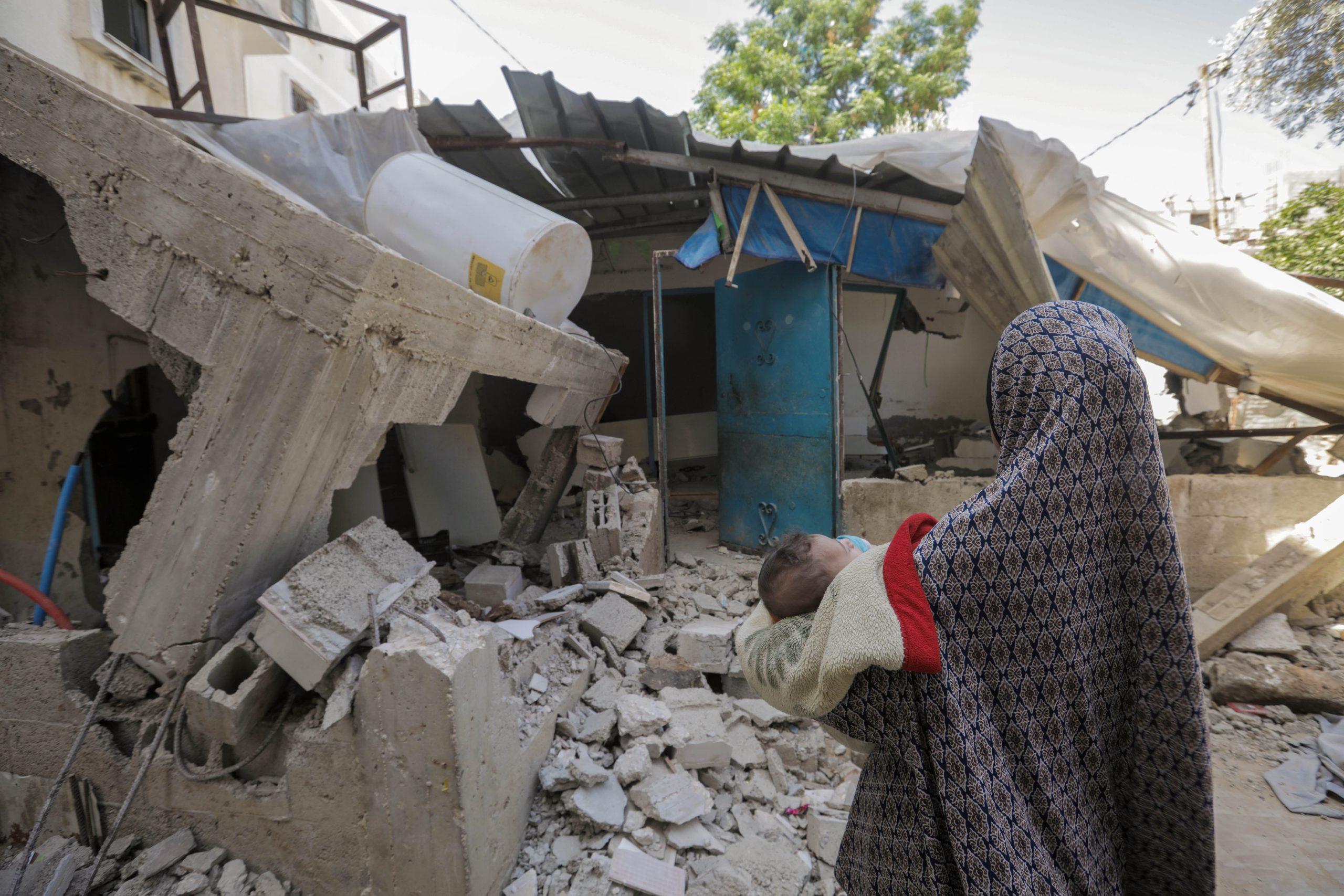
Air and rubble hazards: Dust, asbestos and explosive residues drive respiratory compromise; issue fit tested respirators, deploy mobile air scrubbers and monitor carbon monoxide and particulate levels during operations and captive transfers
Rubble-choked corridors and collapsed stairwells turn every movement into a lung-level gauntlet: pulverized concrete, glass, and legacy asbestos fibers mingle with explosive residues and soot, creating a fine, persistent haze that evades casual masks and overwhelms compromised airways. Confined rooms and ad-hoc generators compound the threat with invisible carbon monoxide accumulations and oxygen-poor pockets, placing both Israeli soldiers and captives at risk of silent hypoxia. Mitigation has to move with the teams-issue fit-tested respirators (with reliable seals and appropriate filters), position mobile air scrubbers to create cleaner breathing zones, and treat every breach or lift as a controlled ventilation event rather than a rush-and-carry.
- Fit-first protection: Daily fit checks, beard management, and immediate cartridge swaps when odors break through; stage spare units at ingress points.
- Source suppression: Wet-down debris before cutting or lifting; tarp and bag suspect insulation; minimize re-agitation during searches.
- Clean air corridors: Deploy negative-air HEPA units near choke points; duct exhaust away from movement paths; stagger teams to let particulates settle.
- Continuous sensing: Clip-on CO alarms and handheld PM meters for corridor leads; log thresholds to trigger pauses, route changes, or forced ventilation.
- Transfer discipline: For captive moves, pre-clear routes, mask both escorts and patients, and assign a monitor solely to watch CO/PM readings and symptoms.
| Hazard | Rapid Control | Watch |
|---|---|---|
| Dust/Silica | Wet methods, HEPA scrubbers | PM2.5/PM10 trending |
| Asbestos | Assume present; P100 filters; bag debris | Fiber risk zones mapped |
| Soot/Residues | Local exhaust; limit thermal cutting | Odor break-through, eye/throat irritation |
| Carbon Monoxide | Eliminate idling engines; ventilate | CO ppm alarms, headache/dizziness |
Operations and captive transfers succeed when air control is treated as tactically decisive: pre-stage mobile air scrubbers, perform quick CO and particulate sweeps ahead of movement, and enforce respirator use with documented fit records. Build in recovery nodes-short, cleaner-air pauses where symptoms can be checked, cartridges swapped, and readings reviewed. With deliberate airflow shaping and vigilant monitoring of carbon monoxide and particulate levels, teams can reduce the invisible burden on lungs already strained by stress, injury, and confinement-turning chaotic voids into navigable, breathable space long enough to extract, stabilize, and move lives to safety.
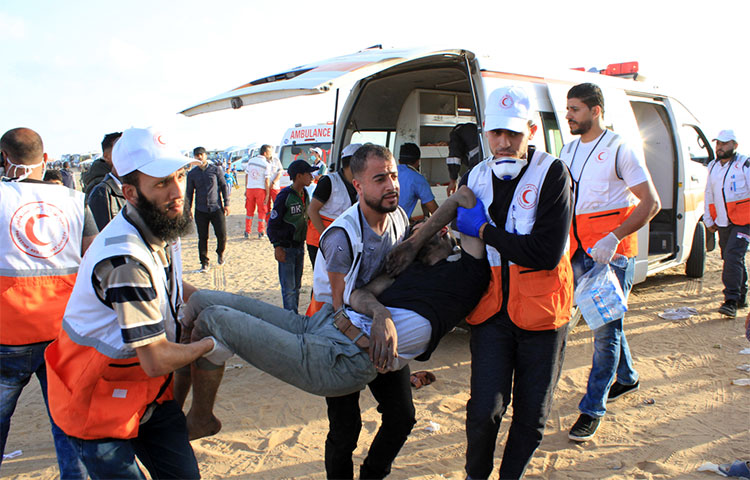
Care under constraint: Blackouts and drug gaps derail trauma care; protect generators, stage antibiotics and intravenous fluids, standardize sepsis bundles and enable telemedicine consults across lines
When electricity flickers and pharmacy shelves run bare, trauma care slides from difficult to dangerous. Ventilators, suction, incubators and blood warmers all depend on reliable power; culture bottles, insulin and certain antibiotics depend on the cold chain. In this squeeze, delays multiply: wound irrigation without pumps, debridement without light, antibiotics administered hours late. Every minute lost compounds infection risk for wounded Israeli soldiers and the captives whose survival may hinge on early resuscitation, pain control and sepsis prevention. The fix begins with hardening the backbone: shielded generators with surge protection and fuel buffers, tamper-proof transfer switches, and hybrid solar-battery microgrids that keep essential circuits alive even when the grid dies. Parallel to power resilience, pre-positioning broad-spectrum antibiotics, crystalloids and analgesics along evacuation corridors-and tracking them with simple ledgers-can turn a chaotic handoff into a predictable chain of custody.
- Protect power: Enclose generators, add fuel bladders and basic fire suppression, and map “red sockets” for life-support loads.
- Stage medications: Cache heat-stable antibiotics, IV fluids and analgesics in lockboxes near checkpoints and clinics; rotate stock on a fixed calendar.
- Standardize sepsis bundles: One-page checklists for early antibiotics, fluids, lactate (or clinical surrogates), and vasopressors when available.
- Enable telemedicine: Low-bandwidth consults via satellite/text-first apps to guide damage-control surgery, burns and crush injury care across lines.
| Priority | Action | Signal of success |
|---|---|---|
| Power | Generator shielding + battery backup | No ICU device downtime in outages |
| Drugs/Fluids | Pre-position heat-stable kits | Antibiotics within 60 min of triage |
| Sepsis | Uniform bundle + pocket card | Mortality and transfer delays drop |
| Telemed | Satellite triage + store-and-forward | 24/7 specialist response under 10 min |
Cross-line telemedicine can be the bridge when roads are blocked and ICUs are full. Standards that favor text-first messaging, compressed images and short video clips keep bandwidth low while enabling real-time guidance for hemorrhage control, airway decisions and sepsis escalation. Shared checklists in Hebrew, Arabic and English reduce variance under stress, while anonymized case templates protect identities and speed consults. A small set of interoperable tools-portable ultrasound with screenshot export, headlamp-mounted cameras, barcode labels for kits-lets medics document, transmit and act within minutes. In the aggregate, these small disciplines turn scarcity into coordinated improvisation, preserving lives caught in the middle and buying time for definitive care.
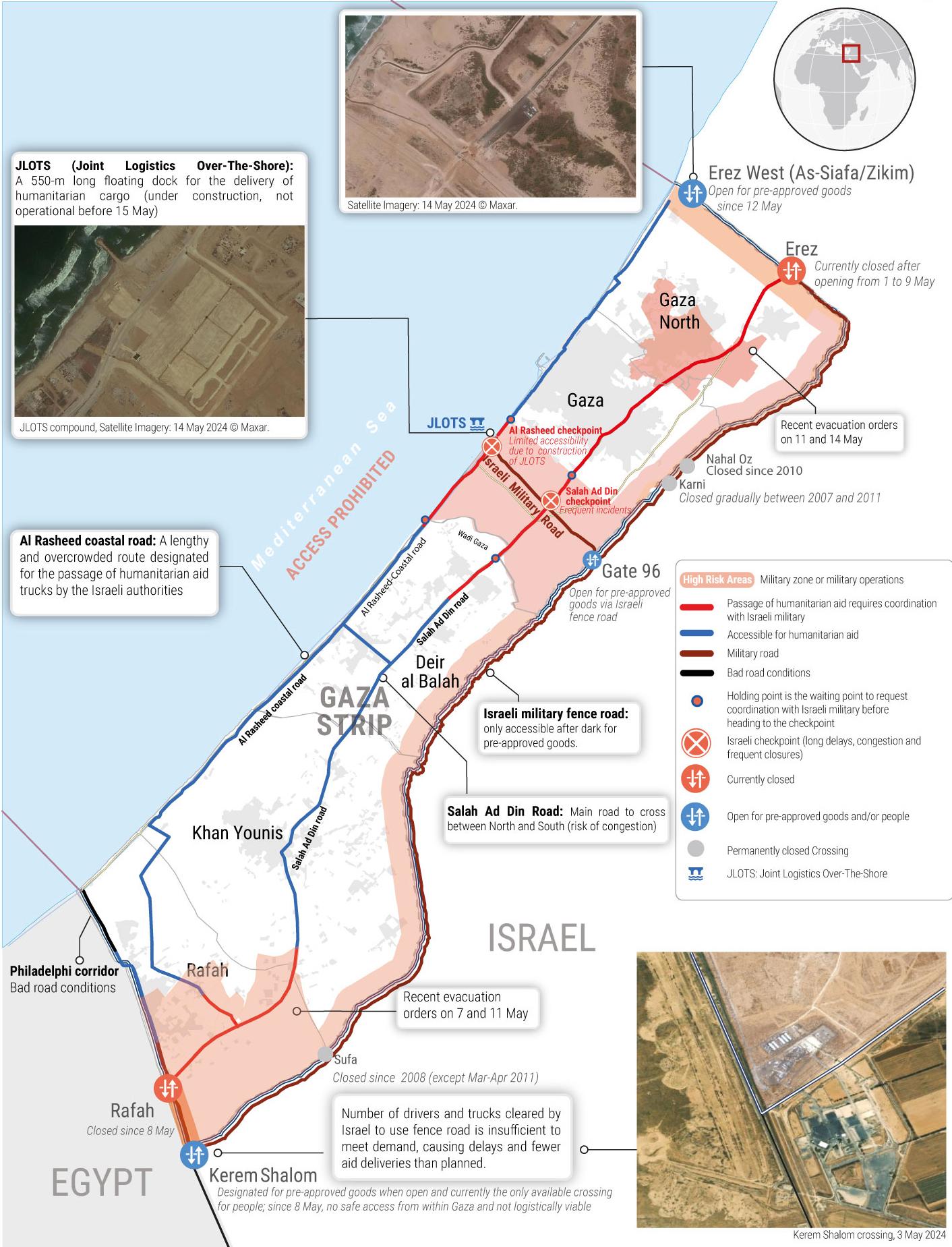
Securing access and accountability: Establish deconflicted medical corridors, guarantee ICRC visits and proof of life, adopt joint water and waste surveillance, and negotiate time bound pauses to evacuate high risk cases
Life-saving access hinges on predictability, visibility, and trust. Cross-line medical lanes should be mapped with shared GIS coordinates, marked in daylight and infrared, and synchronized to a single deconfliction protocol so ambulances, medics, and convoy escorts do not get trapped between shifting front lines. Short, time-boxed operational pauses-announced in advance, geofenced, and verified by third parties-allow the safe evacuation of neonates, dialysis patients, septic cases, and complex trauma without conferring strategic advantage. To keep combatants and detainees out of epidemiological danger, corridors must be insulated from crowding and rerouted away from contaminated sites, while a rapid incident-review loop resets routes after any breach.
- Corridor design: daily NOTAM-style bulletins, high-visibility markings, low-tech code-panels for ambulances, and a single multilingual hotline.
- No-strike synchronization: shared map layers refreshed on a fixed clock (e.g., every 6 hours) and broadcast to all relevant units.
- Convoy discipline: staggered launch times, fixed speeds, and pre-declared triage categories to prevent bottlenecks.
- Pause integrity: third-party monitors, tamper-evident GPS beacons on lead vehicles, and immediate incident logs.
Accountability is the antidote to rumor and risk. Regular, scheduled access by neutral medical delegates-backed by proof‑of‑life protocols using in-person checks, encrypted tele-verifications, and chain‑of‑custody metadata-reduces misinformation and enables targeted delivery of medications and supplies. Meanwhile, joint water and waste surveillance acts as an early-warning radar: shared wastewater sampling at bases, field clinics, shelters, and detention sites can flag spikes in cholera, norovirus, polio, or antimicrobial resistance, prompting immediate chlorination surges, vector control, and isolation thresholds that protect troops, health workers, and captives alike.
| Measure | Verifier | Trigger | Action/Output |
|---|---|---|---|
| ICRC access | Neutral delegates + military liaison | Visit overdue by 72h | Proof‑of‑life report; urgent meds delivered |
| Wastewater signal | Joint field lab | 3× rise in target pathogen | Chlorination surge; cohort testing |
| Corridor breach | Third‑party monitor | Incident filed within 2h | Route reset; retracing bulletin |
| Evacuation window | Neutral coordination cell | Pre‑agreed 6-8h pause | High‑risk cases cleared and tracked |
Closing Remarks
In the end, the most persistent adversaries in Gaza are not loud. They move in the dark of cut power, in air choked by dust and spores, in water that no longer heals thirst. They accumulate in collapsed clinics, in uncollected waste, in the narrow margins where heat, stress, and hunger erode judgment and strength. For soldiers navigating this terrain and for captives held within it, these are the pressures that do not announce themselves until they have already altered the terms of survival.
Operationally and morally, recognizing these forces is not a luxury. Biology and physics ignore borders and narratives; they reward preparation and punish delay. Every hour without sanitation, ventilation, medication, or reliable information compounds risk, narrowing options for rescue, recovery, and restraint. The map of danger in such a setting is layered: visible threats above ground, invisible ones inside bodies and buildings.
If there is a practical lesson, it is this: treat the environment as an active player. Factor time, temperature, water, waste, and disease into every plan, negotiation, and safeguard. Expand channels that reduce entropy-medical access, protective equipment, accurate data, predictable pauses-because these are the tools that blunt silent harms. To see the unseen is to give both soldiers and captives a fairer fight against the one opponent that answers to no flag: the steady physics of deterioration.