
The Israel Defense Forces have reportedly been instructed to prepare for an “immediate” return to combat operations in Gaza, a signal that the fragile quiet of recent days may be short-lived. The reported directive underscores how quickly the ground can shift as ceasefire talks, hostage negotiations, and international mediation continue in parallel-and often at cross-purposes.
An escalation would reverberate far beyond the battlefield, testing overstretched humanitarian corridors and recalibrating diplomatic calculations in regional capitals. With uncertainty hanging over both the pace of negotiations and the scope of any renewed offensive, communities in Gaza and southern Israel are bracing for outcomes that could change with a single decision.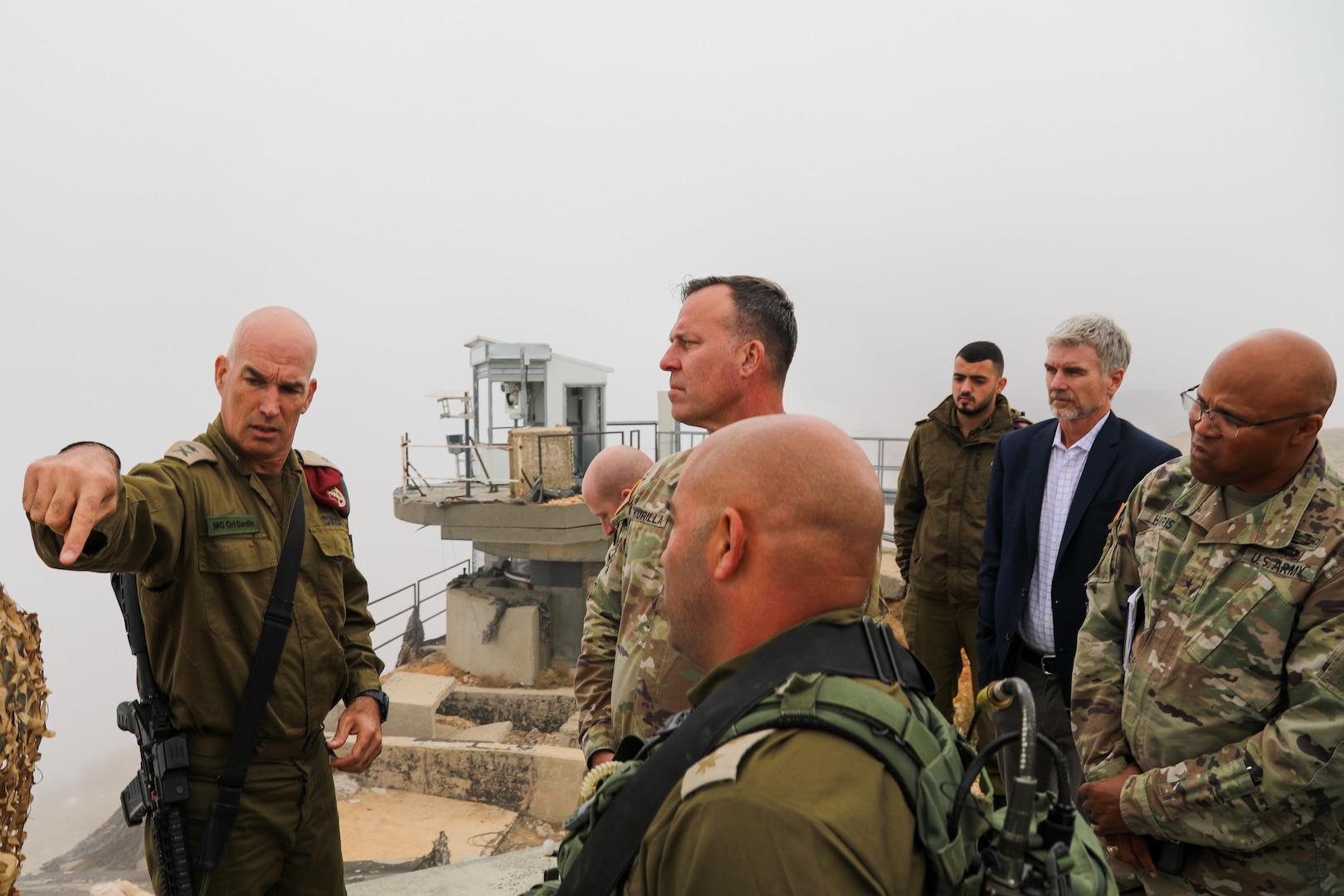
Immediate readiness directives and what they signal about operational timelines
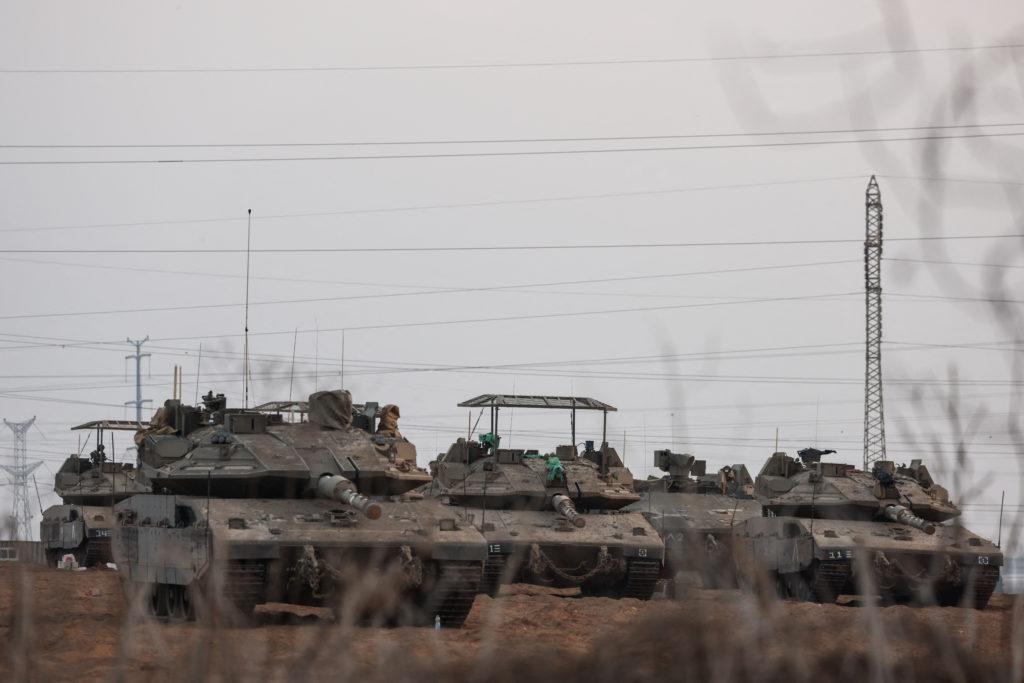
Orders to posture forces “now” compress the planning clock, shifting units from routine tasks to sustained stand‑by. Command posts go to 24/7 manning, logistics pushes fuel and munitions forward, and targeting teams refresh priority lists so that a green light can be executed without delay. The aim is to granularly lower friction ahead of H‑hour-not to announce an exact start time-by ensuring crews, kits, and corridors are primed the moment political authorization arrives.
- Leave freezes and callback rosters finalized.
- Ammo and fuel pre‑positioned at forward logistics nodes.
- ROE refreshers and target packs redistributed to battalion level.
- Air/armor readiness checks with spare parts and crews on rotation.
- Comms redundancy tests (primary/alternate/emergency networks).
- Medevac staging, surgical teams and blood stocks forward-loaded.
- Civil-military liaison teams on standby for corridor coordination.
Analysts read these steps as time-window signals: the denser and more tactical the directive, the shorter the implied start. A cascade that moves from personnel availability to munitions flow, then to deconfliction and legal vetting, usually points from days into hours. The table below distills common cues and what they hint about the operational clock.
| Signal | Implied Window | Meaning |
|---|---|---|
| Leave freeze | < 24h | Stand‑to posture |
| Forward ammo push | 24-48h | Fire sustainment prep |
| Partial reserve alert | 48-72h | Manpower surge |
| EW/deconfliction plan | H‑6 to H‑1 | Last‑mile integration |
| Civilian advisories | Rolling | Risk mitigation |
Urban combat scenarios in Gaza and recommended force posture adjustments
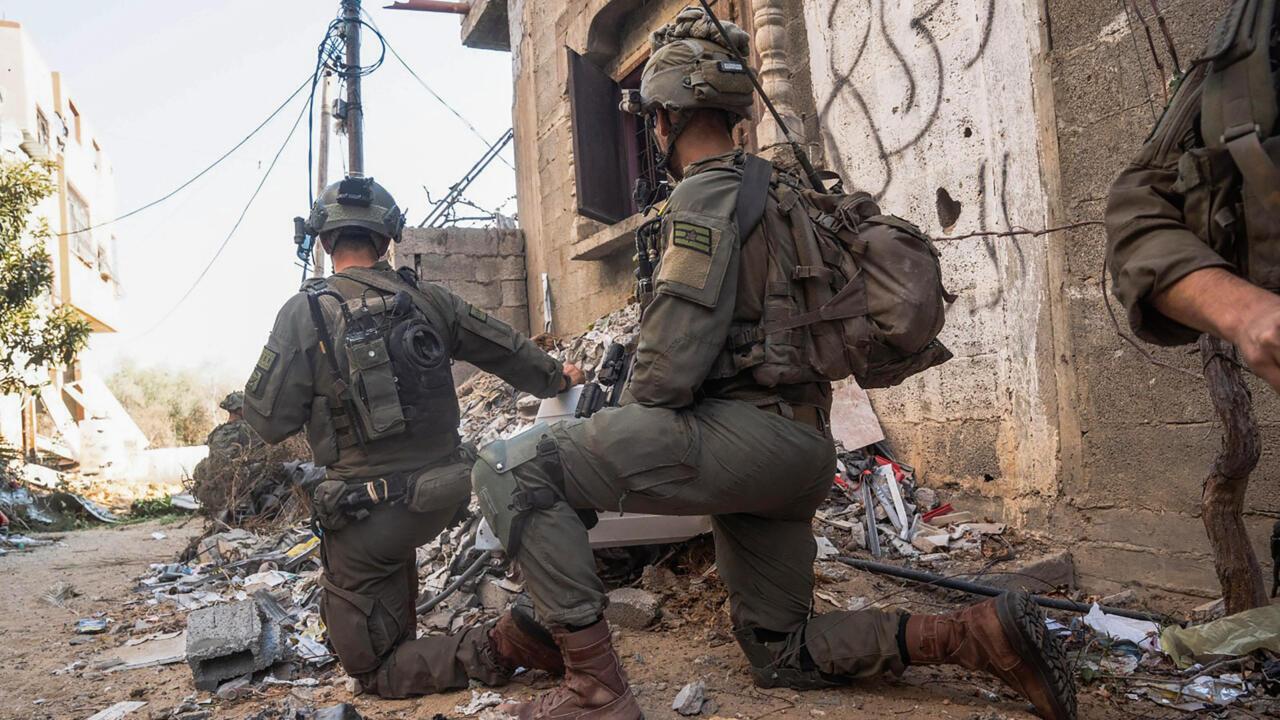
Fighting in Gaza unfolds across a compact, vertically layered battlespace where dense neighborhoods, fractured infrastructure, and subterranean passages compress time and distance. Forces must navigate shifting “micro-fronts” amid a persistent civilian presence, media scrutiny, and the risk of sudden escalations. The operational picture can change block to block, with communications friction, drone-enabled observation, and subterranean surprise shaping contact. In this environment, success hinges on adaptability: blending intelligence cues with disciplined maneuver, preserving stamina through rotation, and maintaining civilian protection as a guiding constraint in tempo and target selection.
| Scenario | Posture Focus |
| High-density blocks | Precision ISR, collateral mitigation |
| Periphery approaches | Screening, EW resilience |
| Subterranean nodes | Specialized teams, deconfliction |
| Coastal/industrial corridors | Route security, logistics flow |
| Humanitarian zones | Civilian safety, coordination |
- Modular force packages: Mix small, agile teams with support elements to re-task rapidly without overcommitting.
- Distributed C2: Empower forward leaders with clear intent and redundancy to operate through signal disruption.
- Counter-UAS umbrella: Layered detection and jamming to reduce exposure to overhead surveillance and drops.
- Micro-logistics: Short, frequent resupply cycles and cached essentials to limit vulnerable convoys.
- Rest-rotation discipline: Protected cycles that maintain cognitive edge and reduce errors under stress.
- Integrated civil liaison: Embedded coordination cells for evacuation routes, aid delivery, and deconfliction.
- Evidence-ready targeting: Tight ROE adherence with documented assessments to support accountability.
- Rapid CASEVAC corridors: Pre-cleared, adaptable paths with cross-service medical linkups.
- Sensor fusion: Quick-turn analysis combining aerial feeds, ground reports, and open sources.
- Information hygiene: Manage signatures and narratives to counter misinformation and protect operations.
These adjustments aim to balance initiative with restraint, enabling units to move fast where conditions allow while avoiding the governance, humanitarian, and strategic costs of overextension. Emphasizing mission command, learning loops after each contact, and predictable humanitarian coordination can reduce friction, sustain legitimacy, and preserve combat power for an unpredictable, iterative urban campaign. The result is a posture built for transitions-between contact and pause, surface and subsurface, kinetic pressure and civilian safeguarding-where measured tempo and resilient support lines matter as much as any single tactical success.
Protecting civilians with deconfliction corridors monitoring mechanisms and rules of engagement updates
Deconfliction corridors should be mapped, signposted, and continuously broadcast across SMS, radio, and community channels, with time-stamped assurances and clearly marked medical lanes. To keep routes viable under shifting frontlines, planners can pair geofenced waypoints with redundant signage and lighting, backed by a real-time notice system for temporary closures or reroutes. Coordination with humanitarian actors and municipal services is vital to align no-strike windows and convoy schedules, while embedding feedback loops that quickly elevate field reports about blocked passages or emerging risks.
- Corridor design: wide lanes, protected lay-bys, and verified entry/exit points
- Information layer: multilingual alerts, simple maps, and radio frequencies posted at hubs
- Dynamic rerouting: QR codes linking to live updates when paths shift
- Humanitarian access: priority for ambulances, relief trucks, and evacuation teams
- Community feedback: hotline and messaging channel to report obstacles or hazards
Continuous protection hinges on monitoring mechanisms that fuse NGO feeds, incident reports, and sensor data into a common, privacy-preserving picture, paired with rapid adjudication cells to act on alerts. Rules of engagement (ROE) should tighten around civilian-presence checks, mandate graduated force and abort authority at every level, and require commander review for strikes near protected sites-backed by after-action transparency that informs iterative updates. Clear thresholds for positive identification and hostile intent, plus mandatory deconfliction calls before kinetic action in dense areas, help translate policy into predictable field practice.
| Mechanism | Lead | Update Cycle | Output |
|---|---|---|---|
| Corridor Status Board | Joint Ops + OCHA | 15 min | Open/Closed, ETA, Risks |
| Incident Triage Cell | Civil-Mil Team | Continuous | Mitigation Tasking |
| ROE Review Panel | Legal + Command | Daily | Clarifications/Notices |
| Community Hotline | Humanitarian Liaison | Real-time | Alerts & Feedback |
Diplomatic levers regional spillover risks and practical steps for policymakers and mediators
With reports signaling a potential rapid re-escalation, diplomacy must pivot from slow-moving frameworks to hour-by-hour crisis management. Priorities include back-channel synchronization, humanitarian access guarantees, and credible deterrence messaging that reduces miscalculation across borders. Focused levers-such as joint deconfliction hotlines, pre-authorized aid corridors, maritime safety windows, and financial escrow mechanisms-can shrink the space for opportunistic violence while preserving lanes for negotiation. In parallel, verification tools (call logs, GPS telemetry, AIS whitelists, independent audits) provide the accountability that keeps ceasefire fragments and pauses from collapsing under pressure.
Regional spillover risks remain acute: northern front flare-ups, Red Sea disruption, West Bank contagion, Sinai trafficking, and cyber-enabled escalation. Policymakers and mediators can reduce these vectors by coupling micro-ceasefire architecture (localized pauses, “quiet hours,” protected health routes) with scalable incentives and clear off-ramps. Build resilience into the process by aligning timelines (0-72 hours, 1-2 weeks, 30 days), enabling third-party verification, and keeping channels open to all necessary interlocutors-state and non-state-through disciplined, low-visibility engagement.
- Stand up 24/7 deconfliction nodes linking military, humanitarian, and diplomatic desks (Israel-Egypt-UN-Qatar), with shared incident reporting within 15 minutes.
- Codify humanitarian triggers: automatic pause if a key crossing is shut >6 hours; pre-cleared convoy lists and medical evacuation rosters to prevent ad hoc bargaining.
- Maritime safety windows in the Eastern Mediterranean and Red Sea with AIS whitelists and corridor “quiet times,” coordinated via naval tasking channels.
- Escrowed financial channels for salaries, fuel, and utilities with usage-limited disbursements; snapback clauses tied to verified violations.
- Joint rumor-control cell to counter disinformation in real time across Arabic, Hebrew, and English; synchronized public lines to reduce misread signals.
- Incremental detainee/hostage exchanges with third-party verification and reversible steps, calibrated to localized calm and aid throughput.
| Lever | Primary Channel | Timeframe | Risk Mitigated | Verification |
|---|---|---|---|---|
| Cross-border hotlines | Mil-mil via UN liaison | 0-72 hours | Northern spillover | Call logs + incident tickets |
| Aid surge corridors | Egypt-UN-ICRC | 0-14 days | Humanitarian shock | GPS-tracked convoys |
| Maritime deconfliction | Naval task forces | 0-30 days | Red Sea disruption | AIS whitelist + ISR |
| Escrowed finance | Qatar-Egypt-Treasuries | 1-30 days | Funding spikes | Third-party audits |
| Message discipline | Tripartite comms cell | Continuous | Miscalculation | Media monitoring |
Wrapping Up
Whether this directive proves a prelude or a pressure tactic, it underscores how narrow the distance remains between pause and escalation. Military planners may ready for immediate movement, yet diplomacy’s window-however small-still exists alongside contingency plans.
For civilians in Gaza and communities across Israel, the stakes are measured in hours and corridors: aid trucks, evacuation routes, negotiations that inch forward or fall apart. Each signal sent between capitals can redraw the day’s horizon.
What follows will hinge on choices made behind closed doors and the facts that emerge on the ground. Until those choices are clear, the region waits in the uneasy space between readiness and restraint.