
The clock of human progress in Gaza has spun backward, the United Nations Development Programme warns, not by years but by generations. In a new assessment, the agency says the devastation of the latest war has set the enclave’s human development indicators back to levels last seen around 1955-long before modern infrastructure, social services, and economic networks took root.
It is a stark portrait painted in data rather than adjectives: schools and hospitals shuttered or destroyed, livelihoods interrupted, and the scaffolding of daily life strained to breaking point. The report suggests that the cumulative effects of conflict have erased decades of investment in health, education, and income, pushing families and institutions into a struggle for the basics.
As the toll deepens and the region confronts a precarious recovery, the UNDP’s findings frame a central question: not just how to rebuild, but how to restore the arc of development that once bent forward.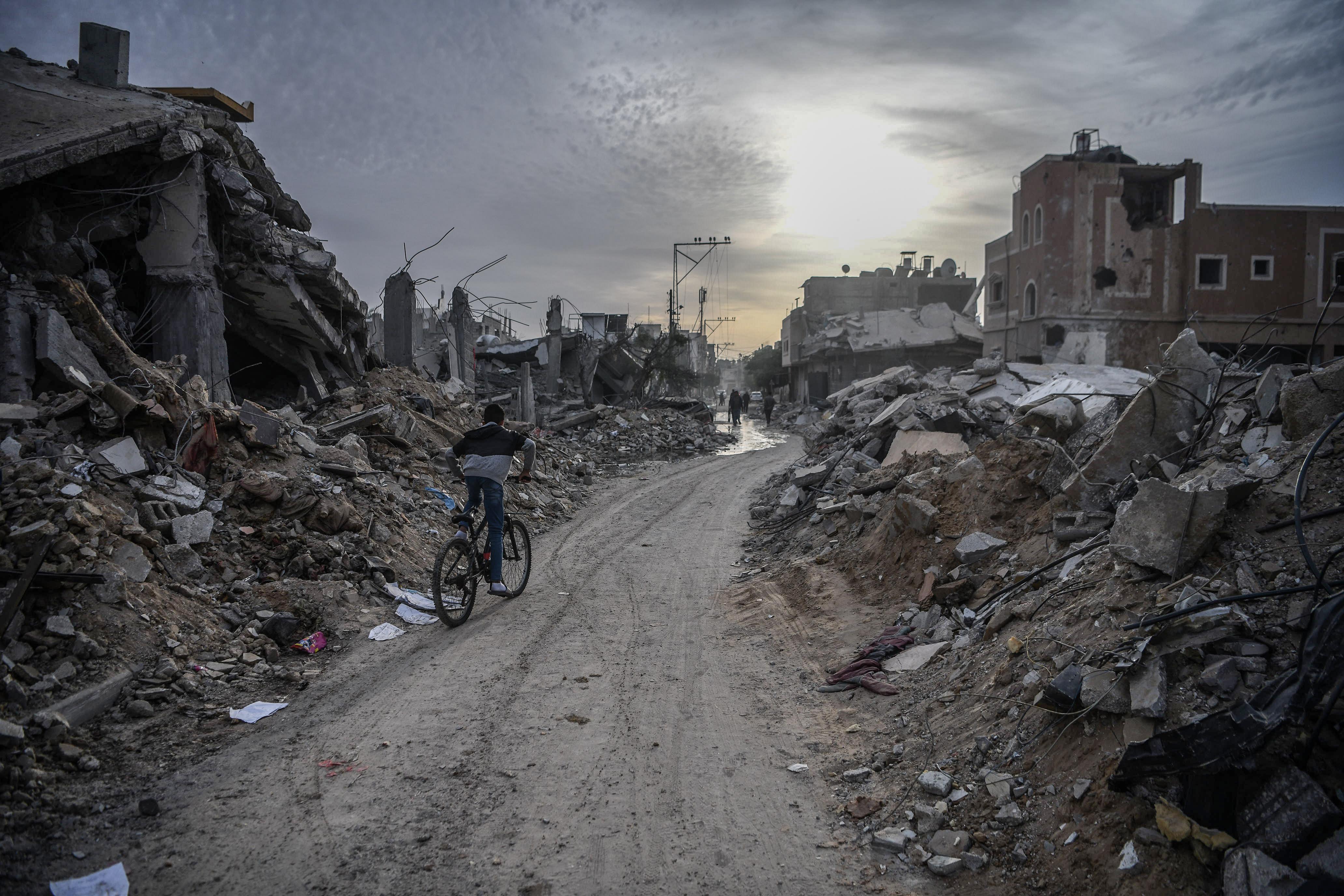
UNDP assessment signals a mid century reset of human development in Gaza
UNDP’s latest modeling points to a profound regression in living standards, with composite measures of well-being retreating to levels reminiscent of the mid-20th century. The findings describe a landscape marked by shattered livelihoods, disrupted schooling, damaged health systems, and strained institutions-all of which erode the foundations of human capability and choice. Beyond the visible destruction, the analysis underscores compounding shocks: extended displacement, constrained market activity, and degraded public services. Together, these forces unwind decades of incremental gains, making immediate relief and the rebuilding of human capital inseparable priorities.
What emerges is a long, uneven path to recovery that hinges on stabilizing basic services while rebuilding the fabric of opportunity. That means focusing on restoring utilities, reactivating local economies, and safeguarding learning and health outcomes in parallel. It also means better data, coordinated financing, and sustained access for essential operations so that short-term assistance translates into durable progress. In this frame, success is measured not only by infrastructure repaired, but by the return of capabilities-people studying, working, and accessing essential care without interruption.
- Capabilities: learning continuity and skills protection as core recovery goals
- Incomes: re-opening markets and jobs to reverse deep labor shocks
- Health: re-establishing primary care, referrals, and public health routines
- Services: reliable water, power, and digital connectivity as enablers
- Institutions: data systems and planning capacities to guide investment
| Indicator | Pre-war trend | Current reading | Mid-20th c. analogue |
|---|---|---|---|
| Human development (composite) | Gradual gains | Severe setback | 1950s-level |
| Life expectancy | Rising | Falling | Mid-century averages |
| Years of schooling | Expanding | Interrupted | Shorter schooling span |
| Income per capita | Modest growth | Sharp contraction | Post-war era levels |
| Access to basic services | Improving | Minimal/irregular | Basic provision only |
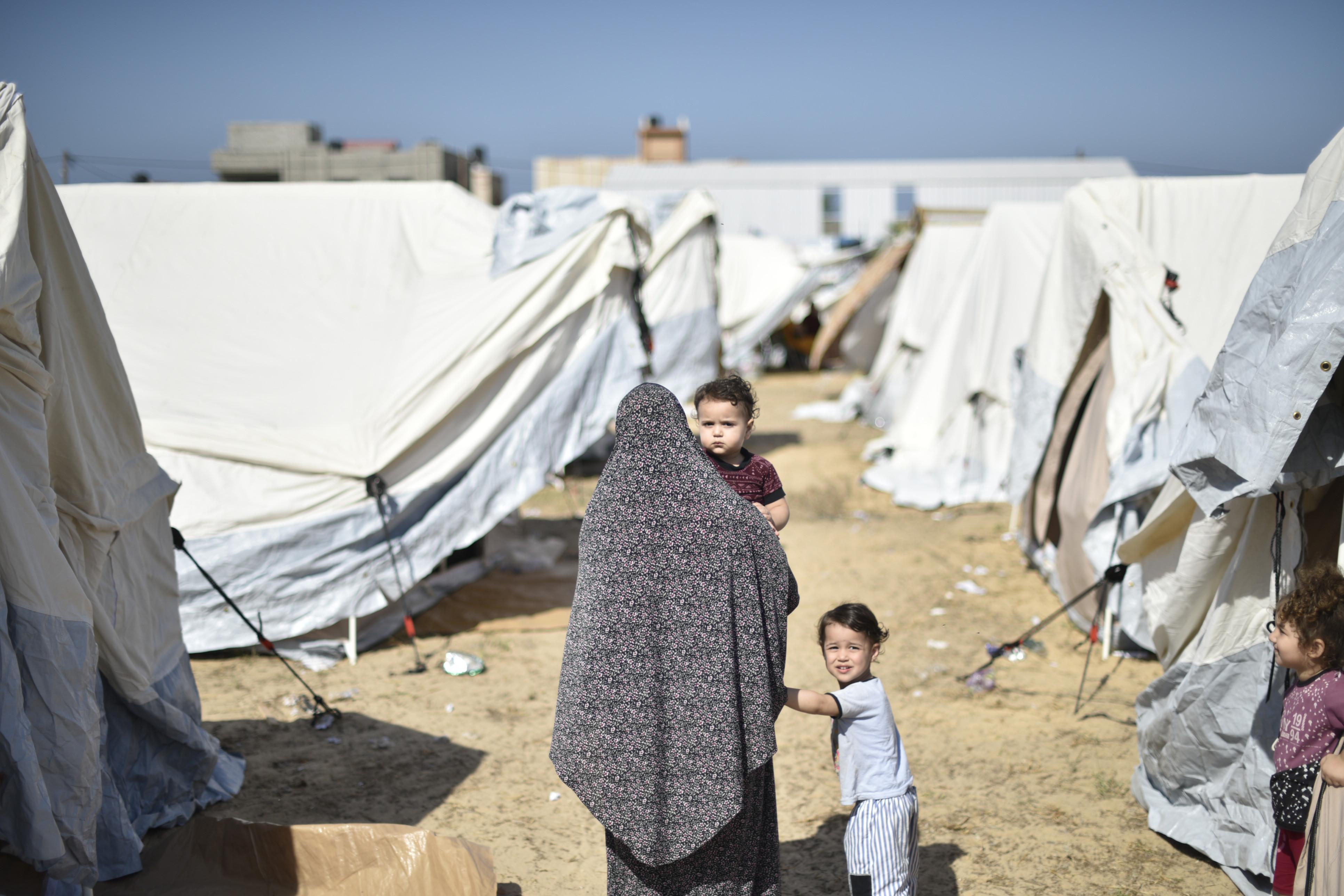
What the indicators reveal life expectancy schooling income and poverty on the brink
The data points converge on the same distressing arc: decades of progress erased in a matter of months. Signals tied to survival, learning, earning, and basic welfare no longer move gradually; they pivot downward together, compounding each other’s damage. When lives are shorter, schooling is interrupted, and incomes collapse, the composite picture of human development rolls back, not as a metaphor but as lived reality for families navigating daily scarcity and uncertainty.
- Life expectancy: Overwhelmed clinics and delayed care push preventable deaths higher, with chronic conditions and maternal health at acute risk.
- Schooling: Months of closures, damaged classrooms, and limited connectivity deepen cumulative learning loss and raise dropout odds.
- Income: Labor markets have stalled; informal work has thinned; prices rise while purchasing power falls.
- Poverty: Savings are exhausted, debt grows, and more households skip meals or sell essential assets to cope.
Reading these signals clearly means planning for both emergency relief and long recovery. Priority actions include restoring primary healthcare, ensuring safe learning with remedial support, reviving cash flows and small businesses, and scaling social protection to shield the most vulnerable-especially children under five, people with disabilities, and female-headed households. Without swift stabilization, today’s shocks risk becoming a long shadow that locks in shorter lifespans, thinner human capital, and entrenched deprivation for years to come.
| Indicator | Current signal | 12-month risk | Recovery lever |
|---|---|---|---|
| Life expectancy | ↓ Sharp decline | Preventable mortality | Ceasefire + primary care |
| Schooling | ↓ Severe disruption | Lost years, dropout | Safe schools + remedials |
| Income | ↓ Collapse | Joblessness, closures | Cash + MSME restart |
| Poverty | ↑ Surging | Deep food insecurity | Scaled social transfers |
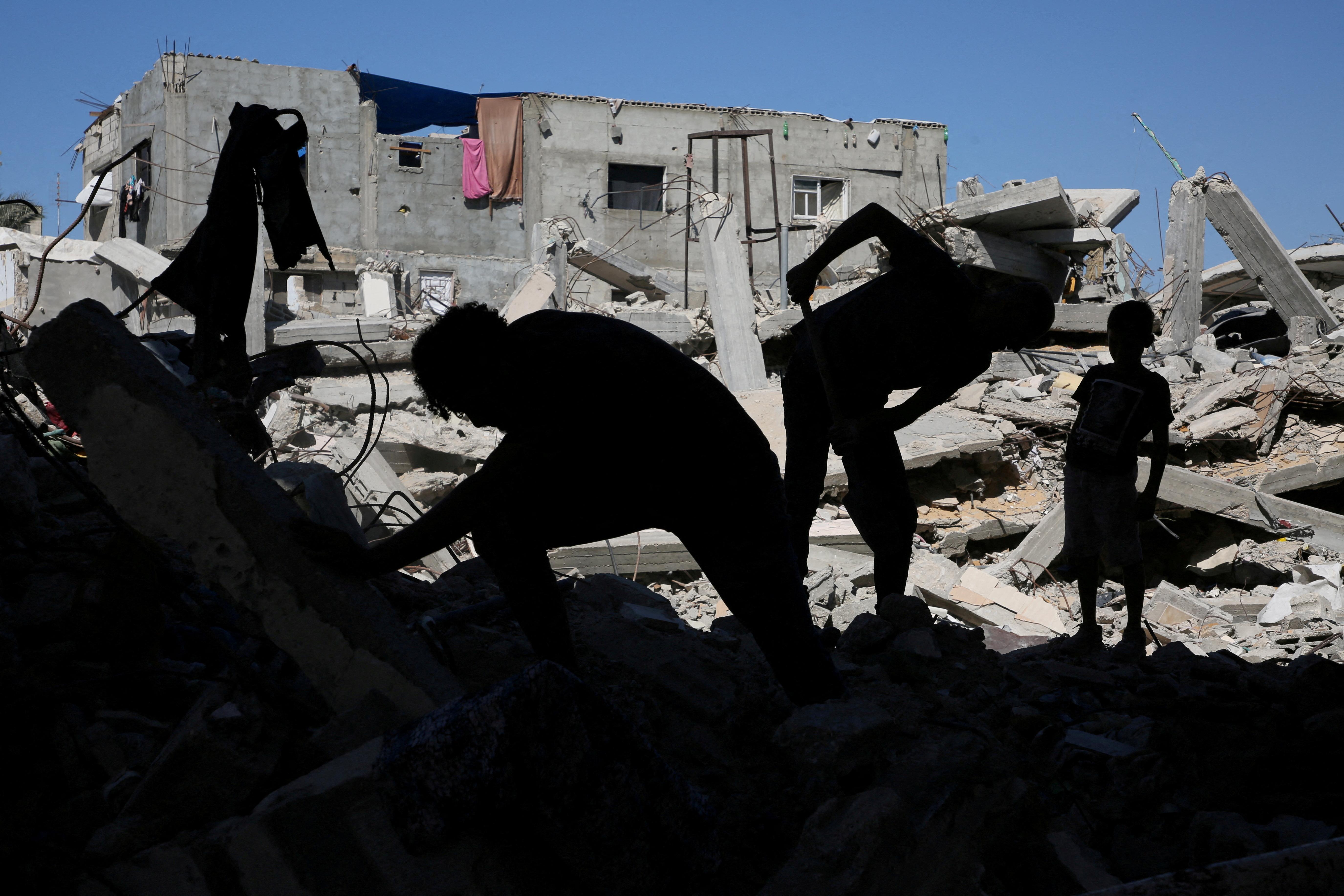
Systems under siege infrastructure markets governance and the erosion of basic services
With utilities, markets, and municipal functions forced into survival mode, interdependent systems falter in tandem. When the power grid fractures, desalination halts, hospital wards dim, and cold chains break; when fuel vanishes, generators become the new currency and waste trucks sit idle; when checkpoints stall logistics, last‑mile distribution turns into a lottery. Procurement cycles collapse under sanctions and scarcity, standards erode as spare parts are cannibalized, and informal tolls add friction to every kilometer. In this climate, price signals stop conveying scarcity and start reflecting fear, pushing families to hoard, traders to hedge, and services to fragment into patchwork islands of access.
| Service | Before | Now | Bottleneck |
|---|---|---|---|
| Electricity | Scheduled | Intermittent | Fuel + grid damage |
| Water | Networked | Trucked | Power for pumps |
| Health | Strained | Overrun | Supplies + staff |
| Markets | Liquid | Thin | Access + risk |
| Governance | Formal | Ad hoc | Capacity + oversight |
- Power-water-health feedbacks magnify outages into service collapse.
- Ad hoc fees and checkpoints rewire trade routes and raise risk premiums.
- Informal providers step in, but without standards or consumer protection.
- Public finance shrinks to emergency triage, sidelining maintenance and planning.
- Trust in institutions erodes as rationing, queues, and opaque decisions become routine.
As administrative bandwidth narrows, governance pivots from policy to firefighting. Municipal records go stale, audits are deferred, and regulatory clarity gives way to exception after exception. Neighborhood committees, clinic volunteers, and faith-based networks improvise stopgaps, yet coordination without authority produces duplication in one district and deserts in another. The social contract strains: citizens exchange compliance for certainty, but only receive intermittent services and shifting rules. Without predictable rules-of-the-road-transparent ration schedules, basic consumer protections, and open data on service restoration-even well-intended aid can distort local markets, leaving the everyday calculus of survival to chance rather than to a functioning system.
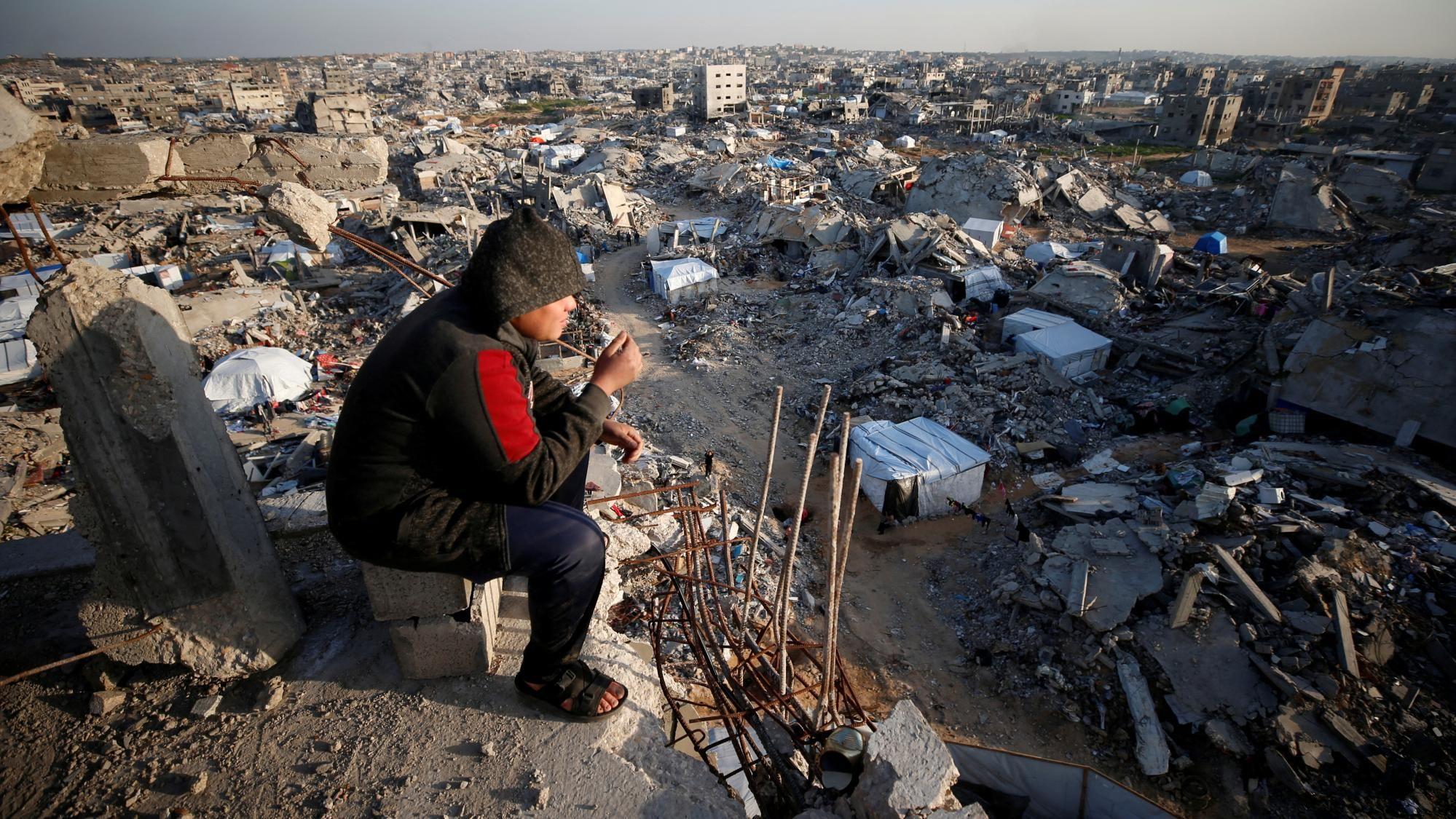
Pathways to repair ceasefire access livelihoods reconstruction and accountable financing
Stability is the first building block: with human development indicators pushed back to mid‑20th‑century levels, recovery depends on a verified ceasefire that enables safe, sustained access for civilians and responders. A practical pathway combines deconflicted humanitarian corridors, predictable crossing hours, and rapid restoration of water, power, health, and schooling. Coordinated field operations-using shared mapping, time-bound permits, and standardized “last‑mile” logistics-can shrink delays and lower risks while prioritizing children, the injured, and people with disabilities.
- Ceasefire architecture: independent monitoring, shared incident logs, and automatic escalation protocols.
- Access guarantees: pre-cleared aid convoys, fuel quotas for hospitals, and medical evacuations on fixed schedules.
- Service triage: mobile water points, solar micro-grids for clinics, and temporary learning hubs.
- Protection measures: GPS-tagged routes, no‑strike facility registries, and multilingual public alerts.
Economic restart and rebuilding must advance in tandem with accountable financing. Immediate livelihoods support-cash‑for‑work, tool kits, micro‑grants-should feed into reconstruction that is safe, climate‑aware, and locally procured. Transparent fund flows, digital tracking of every dollar, and community oversight transform resources into results and trust. Aligning donors, public agencies, municipalities, and civil society around shared milestones enables a disciplined shift from relief to recovery to long‑term development.
| Recovery lever | Near-term action | 12‑month target |
|---|---|---|
| Livelihoods | Cash‑for‑work crews | 50,000 jobs |
| SMEs | Restart micro‑grants | 5,000 firms |
| Health & Water | Quick repairs kits | 60 facilities |
| Debris | Rubble‑to‑resource | 1M tons reused |
| Housing | Safe shelter modules | 40,000 units |
- Accountability stack: single recovery fund, e‑procurement, open‑data dashboards, and independent audits.
- Community voice: neighborhood committees, grievance hotlines, and social contract “scorecards.”
- Financial integrity: escrowed disbursements, results‑based payments, and anti‑corruption clauses.
- Resilience standards: build‑back‑safer codes, local materials, and climate‑smart designs.
To Conclude
If the UNDP’s assessment reads like a calendar torn from the wall, it is because development is, at its core, a patient accounting of time-years of schooling added, clinics opened, livelihoods built one season after another. To say that Gaza has been pushed back to 1955 is to note that the gains once measured in careful increments have been undone in a rush, turning the line of progress into a loop.
What happens next will be tallied in the same sober ledgers: access to water and power, classrooms rebuilt, jobs restored, safety secured long enough for planning to matter again. The report does not offer prophecy; it offers a yardstick. Against it, the distance to recovery is long and the pace uncertain. For now, the numbers serve as a reminder that the damage is not only to buildings and roads but to the span of a lifetime-how long it takes to learn, to work, to heal-and how quickly time, once lost, demands to be rebuilt.