
The convoy pulled up to the edge of a landscape defined by fences, floodlights, and long lines of waiting trucks. Here, at the Gaza border-where hope and exhaustion have learned to share the same stretch of road-senior United Nations envoys delivered a stark message distilled to a single word: enough. It was not shouted so much as set down like a marker, a recognition that the crisis has crossed too many thresholds-of hunger, of fear, of patience.
Their visit, heavy with symbolism and logistics, was a pivot from cautious diplomacy to a plea for immediacy. In measured tones, the envoys spoke of basic imperatives: sustained aid access, protection of civilians, and respect for international humanitarian law. The border itself told its own story-a lifeline narrowed by bureaucracy and insecurity-while the envoys’ refrain hinted at a broader reckoning, one that asks governments and armed actors alike to move beyond statements toward concrete relief.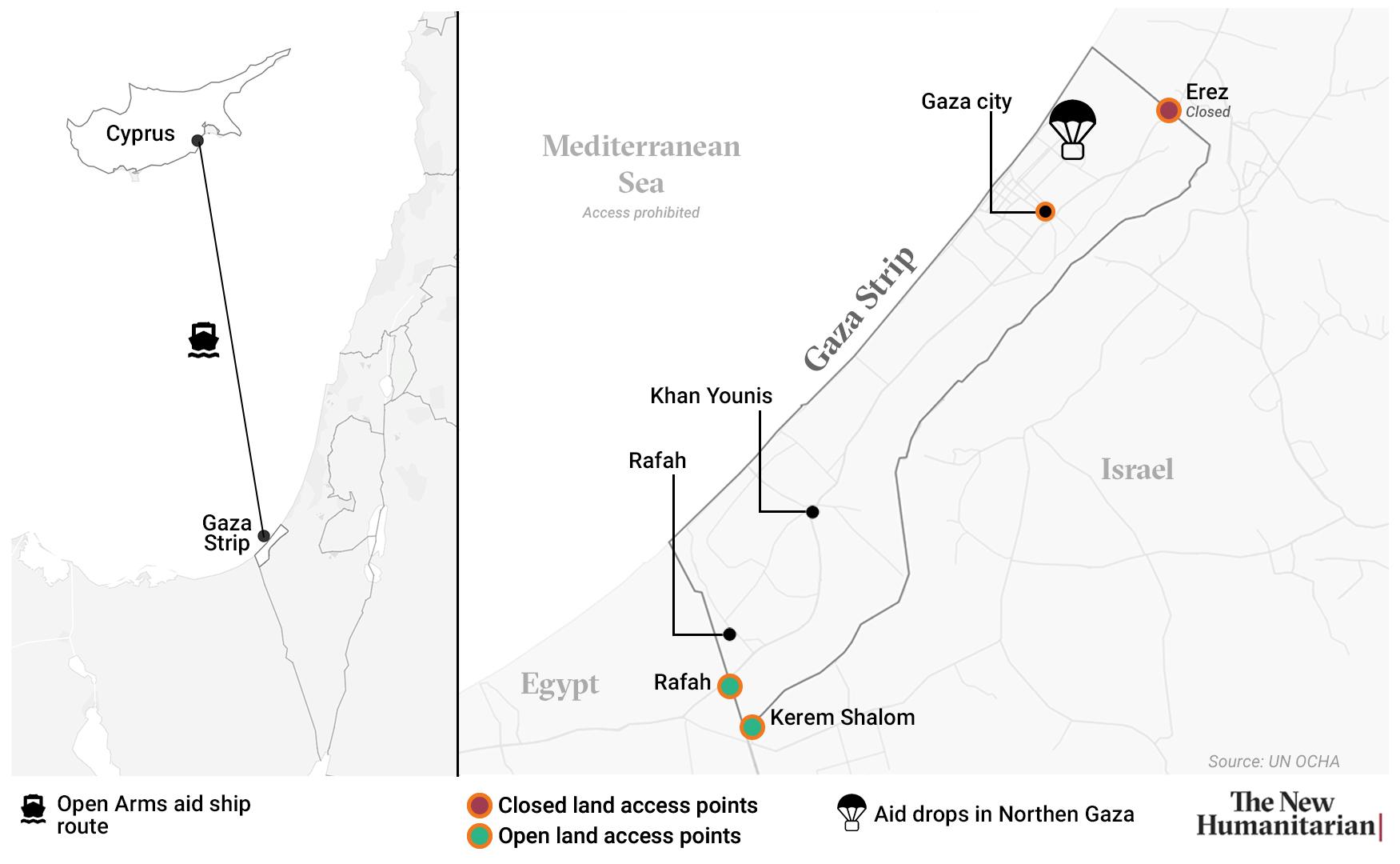
From border tension to relief routes insights from the UN visit to the Gaza frontier
Through dust-hazed air and the hum of idling engines, the delegation traced the lattice of checkpoints and culverts where aid flow either breathes or breaks. They spoke in clipped, practical terms-safe passage windows, fuel parity for generators, predictable inspection protocols-treating every kilometer as a solvable equation rather than an impasse. Local logisticians sketched choke points on laminated maps while drivers compared notes on the fastest dusk approaches; the impression was unmistakable: relief hinges on rhythm, and rhythm needs assurances, timings, and trust as much as trucks and pallets.
- Field signal: Allow two-way radio and satcom overlays to keep convoys on verified lanes.
- Throughput target: 24/7, with staggered arrivals to avoid inspection backlogs.
- Fuel logic: Pair each food convoy with a proportional fuel tranche for clinics and pumps.
- Last-mile partners: Pre-cleared local teams for swift offload and household-level delivery.
- Verification: QR-tagged manifests and tamper-seal checks at exit and entry nodes.
| Crossing | Status | Daily Trucks | Priority Cargo | Bottleneck | Workaround |
|---|---|---|---|---|---|
| North Gate | Limited | 40-60 | Water, Flour | Inspection queuing | Night slots + pre-clear |
| Central Corridor | Intermittent | 30-45 | Medical Kits | Route safety | Escort + live tracking |
| Southern Link | Open | 70-90 | Fuel, Hygiene | Depot crowding | Staggered offload |
Recommendations crystallized into a working template: layered corridors tied to real-time deconfliction, predictable inspection cycles posted 12 hours in advance, and micro-hubs inside urban pockets to shorten last-mile routes. To harden integrity without slowing pace, the team urged sensor-tag pallets, shared dashboards for cross-agency visibility, and community liaisons to translate logistics into household certainty. In short, minimize surprises, maximize daylight-and when darkness is safer, lean on escorted night convoys, clear signage, and lights-out protocols that keep aid moving while keeping people safe.
Legal obligations and diplomatic pathways to secure unhindered humanitarian access
International humanitarian law is unambiguous: civilians are entitled to relief and warring parties must allow and facilitate rapid, unimpeded passage of aid. The Fourth Geneva Convention and Additional Protocol I, reinforced by UN Security Council resolutions 2712, 2720 and 2417, prohibit starvation of civilians, protect medical operations, and require practical measures-inspection, routing, and timing-that do not amount to denial. In the envoys’ language of urgency, legal duties are not optional; they are measurable commitments, from predictable crossing hours to safe deconfliction channels that keep ambulances and convoys moving.
- Allow and facilitate relief consignments, personnel, and equipment without arbitrary delay.
- Protect medical units, humanitarian staff, and critical infrastructure from attack.
- Regulate reasonably (search and routing) without impeding the essence of access.
| Instrument | Core Duty | Operational Check |
|---|---|---|
| Geneva IV + AP I | Unimpeded relief | Convoy wait time under agreed threshold |
| UNSC 2712/2720/2417 | Humanitarian pauses, monitoring | Corridor hours published and observed |
| Customary IHL (Rules 55-56) | Access and protection | No blanket denials; proportionate controls |
Diplomatic pathways translate law into movement. Envoys can broker a tiered access architecture: an independent deconfliction cell with live mapping; a tri‑partite border operations room linking local authorities, UN, and neutral monitors; and time‑bound access agreements with verifiable benchmarks and automatic triggers for remedial steps. Diversifying corridors-land, sea, and aerial airdrop only as last resort-reduces chokepoints, while smart compliance tools, from streamlined customs templates to third‑party inspection, keep politics from strangling pipelines of food, fuel, and medicine.
- Joint Operations Center: shared data, convoy slotting, instant incident review.
- Humanitarian Notification: geofenced routes and schedules acknowledged in writing.
- Access Accord: benchmarks on volume, fuel, and medical evacuations with weekly audits.
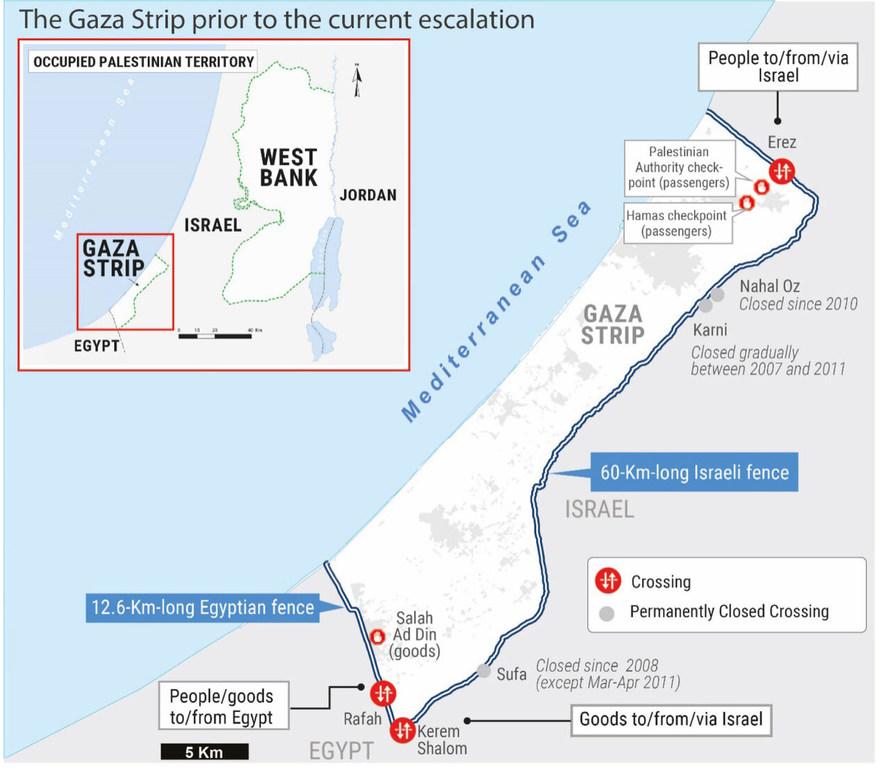
- Corridor Diversification: Rafah/Kerem Shalom lanes, maritime offload, last‑mile hubs.
- Neutral Monitoring: third‑party inspections, transparent metrics, public dashboards.
- Incentives & Remedies: phased facilitation, snapback for non‑compliance, protection guarantees.
Immediate operational measures continuous crossing hours fuel allotments and protected medical evacuation corridors
UN envoys pressed for practical fixes that turn pledges into throughput: border lanes operating on predictable, round‑the‑clock windows; pre‑cleared manifests and unified inspection protocols to cut idle time; and a single deconfliction channel that locks in safe‑passage windows for ambulances. They emphasized simple but high‑yield upgrades-floodlighting, shade canopies, backup power, and mobile scanners-to keep lines moving and preserve cold‑chain goods. A field‑level liaison cell, staffed by neutral monitors, would arbitrate holdups in minutes, not days, so food, water, and medical cargo don’t stall while paperwork travels.
- Continuous hours: 24/7 shifts with digital queueing, color‑coded lanes for perishables, and standardized seals to reduce re‑inspection.
- Fuel allotments: Daily protected quotas for hospitals, water systems, and bakeries; sealed convoys with tamper tags and flow meters.
- Protected evacuations: GPS‑tracked ambulances, a joint operations room for live deconfliction, and pre‑published corridor maps and timings.
- Verification: Neutral observers at crossings, audit trails via QR‑coded consignments, and public dashboards for transparency.
| Measure | Action | Daily Target |
|---|---|---|
| Crossing Windows | 24/7 with 3 shifts | +30% vehicle throughput |
| Fuel Floor | Hospital/Water/Bakery quota | 200k liters secured |
| Medevac Corridors | Two bidirectional routes | 60 transfers/day |
| Inspection Time | Unified checklist | < 12 minutes/truck |
By anchoring operations to clear baselines-continuous crossing slots, guaranteed fuel floors, and time‑bound medical corridors-aid becomes predictable, not aspirational. The envoys’ framework ties each lane to verification and rapid feedback: if queues spike, overflow gates open; if fuel flows dip below threshold, priority convoys get escorted; if a corridor is paused, an automatic re‑route is issued with a stamped time window. It is logistics as lifesaving: simple rules, transparent data, and protected passage stitched together to keep the border-and the lifelines it feeds-moving.
Tracking compliance independent monitoring transparent data and enforceable humanitarian benchmarks
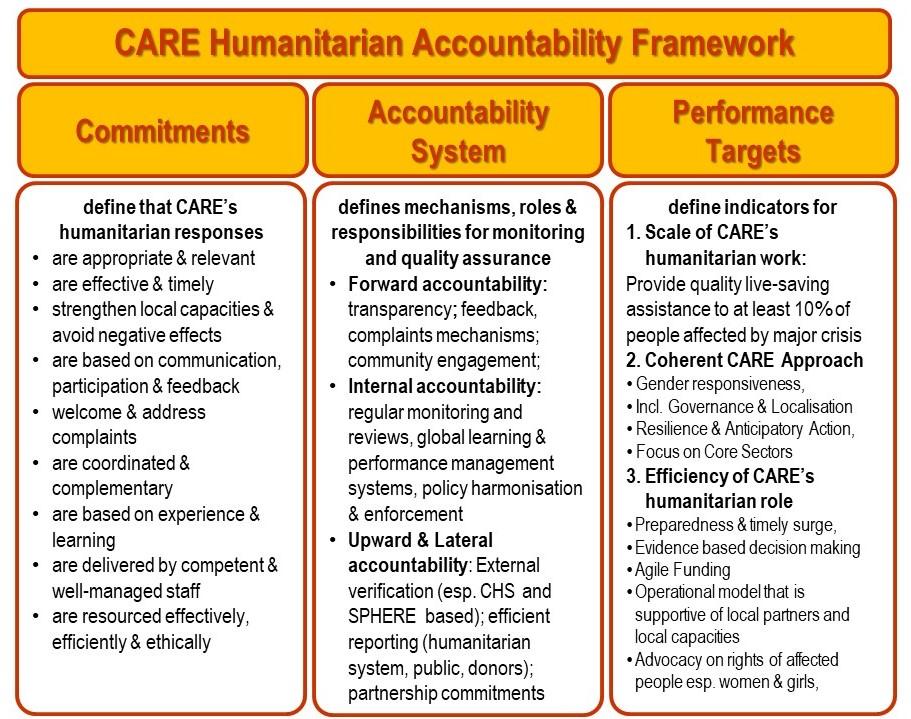
At the Gaza border, UN envoys signaled a shift from rhetoric to architecture, pressing for independent verification, open data flows, and automatic accountability triggers. The approach combines field presence with technology: auditable convoy telemetry, time-stamped corridor access logs, and a public compliance dashboard that converts incidents into measurable indicators. By standardizing definitions of obstruction, diversion, and harm-and publishing them in a shared schema-actors can move from competing narratives to verifiable facts, reducing room for ambiguity and delay.
- Field Verification Teams: mixed, neutral observers with secure reporting channels
- Real-Time Corridor Windows: published opening/closing times with GPS corridor overlays
- Deconfliction Hotlines: logged calls with response-time metrics
- Aid Telemetry: convoy beacons, seal IDs, and depot check-ins
- Community Feedback: multilingual SMS/WhatsApp intake, anonymized and aggregated
- Randomized Inspections: tamper checks at border and last-mile points
- Incident Registry: open, searchable records with evidence attachments
Benchmarks must be specific, time-bound, and enforceable-with predefined thresholds that trigger corrective steps, from diplomatic démarches to temporary access reconfiguration. The envoys’ call-“enough”-translates here into operational benchmarks that are simple to read, hard to manipulate, and tied to consequences. Below is a compact, public-facing scorecard model that can be refreshed daily and audited weekly.
| Benchmark | Target | Threshold | Action | Data Source |
|---|---|---|---|---|
| Trucks/day | 500+ | <350 | Escalate; extend corridors | Border logs |
| Fuel (liters/day) | 1M | <700k | Emergency allocation | Depot meters |
| Water (L/person/day) | 15 | <10 | Open additional lines | WASH teams |
| Medical evacuations | 24h | >36h | Fast-track corridor | Hospital reports |
| Deconfliction response | <5 min | >10 min | Protocol review | Hotline logs |
| Incident rate | 0% | >2% | Joint inquiry | Incident registry |
The Conclusion
As the convoy’s dust settled along the fence line, the envoys’ single word-“enough”-lingered longer than the cameras. It was less a slogan than a marker, a reminder of the limits of witnessing and the urgency of doing.
Their visit adds another voice to the mounting calls for protected civilians, reliable aid access, and adherence to humanitarian law. Whether that chorus reshapes the ground will be measured not in statements but in crossings opened, convoys cleared, and lives shielded from the next shock.
At the border, a line on the map is also a line in the sand. What follows now depends on choices made beyond the wire-decisions that can turn a moment of recognition into a change of course, or consign it to the archive of missed chances.