
Back-channel talks over a potential Gaza hostage deal are inching forward, but one boundary has been drawn in bold. According to a diplomatic source, Israel will not include detainees from Hamas’s Nukhba unit-operatives it designates as terrorists-in any prospective prisoner exchange. The stance adds a sharp contour to already delicate negotiations, setting limits that could recalibrate timelines, expectations, and the room for compromise.
The Nukhba question is more than a point of procedure; it is a signal to mediators and counterparts about the political and security thresholds shaping Israel’s calculus. As envoys shuttle among capitals and families await word with growing urgency, the contours of an agreement are being sketched in conditional clauses and carefully chosen words. This reported red line may narrow the menu of options-but it also clarifies the parameters within which a deal, if one emerges, will have to be crafted.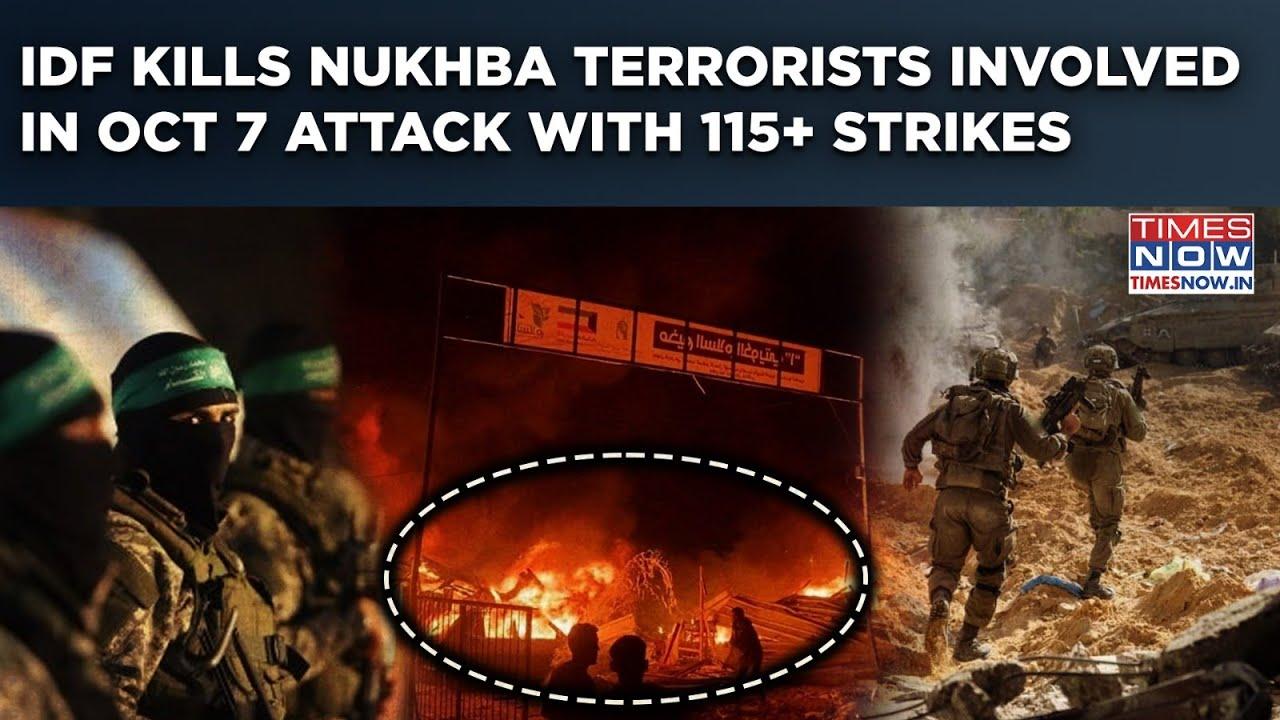
Diplomatic source signals Israel will exclude Nukhba operatives from any release in Gaza hostage talks
A senior diplomatic source signaled a firm boundary in ongoing mediation: detainees tied to Hamas’s elite Nukhba unit will be kept off any list under discussion, even as frameworks for a broader exchange are explored. The position, conveyed amid shuttle diplomacy, seeks to balance domestic security imperatives with mounting humanitarian pressure, narrowing the contours of what an initial phase could include while keeping channels open for sequencing, verification, and third‑party oversight.
- Objective: Maintain deterrence while advancing a limited, humanitarian-first tranche.
- Eligibility focus: Women, minors, elderly, and medically vulnerable detainees.
- Verification: Proof‑of‑life, ICRC access, and monitored transfer points.
- Security filter: No release of Nukhba; stricter vetting for high‑risk profiles.
- Mediators: Qatar, Egypt, and the United States coordinating proposals.
| Category | Current Position (source) |
|---|---|
| Nukhba operatives | Excluded |
| Women/Minors | Considered |
| Elderly/Medical | Prioritized |
| Non‑violent offenses | Possible |
| Security guarantees | Under review |
The stance complicates swap arithmetic but may streamline internal consensus, pushing mediators toward a phased framework: a narrowly defined humanitarian release, a time‑bound pause, and a subsequent round conditioned on robust monitoring and compliance. With timelines fluid and public expectations high, the next proposals are likely to hinge on granular vetting protocols, reciprocal confidence‑building steps at crossings, and a calibrated ratio that preserves deterrence while enabling incremental relief.
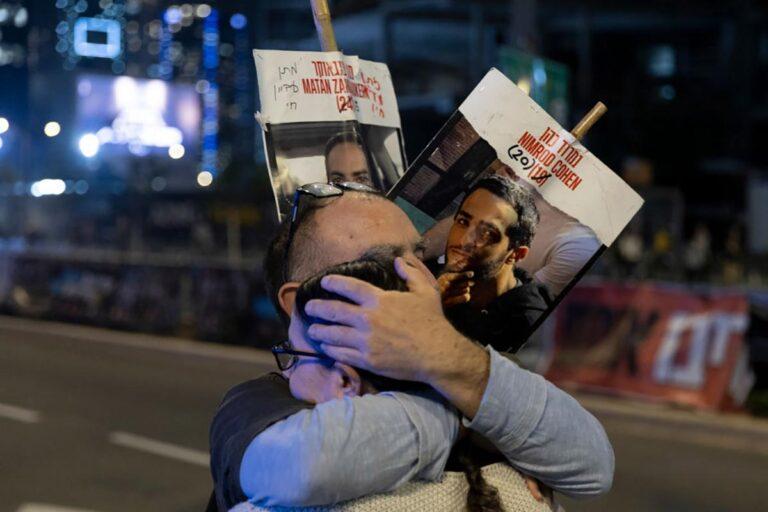
Viable negotiation pathways including phased exchanges humanitarian access and third party security guarantees
With a firmly stated red line on releasing designated Nukhba operatives, momentum can still be built through phased exchanges that prioritize the vulnerable and tie every step to independent verification. A tiered framework aligns humanitarian imperatives with security constraints: each tranche of hostages is matched to measurable aid delivery, limited categories of detainee releases (excluding combat roles), time-bound de-escalation windows, and a pre-agreed snapback if benchmarks are missed-kept on track by discreet, continuous mediation.
- Phase 0 – Baseline: Verified proof-of-life, updated lists, 48-hour quiet period, finalized sequencing and routes.
- Phase 1 – Vulnerable first: Women, children, elderly, and medical cases; 72-hour humanitarian pause; detainees limited to minors and non-violent offenses; exclusion of Nukhba-designated individuals.
- Phase 2 – Expanded release: Remaining civilians and injured soldiers; scaled aid and fuel; demining access and safe logistics hubs; verified compliance via joint cell.
- Phase 3 – Closure measures: Remains exchange and case-closure information; sustained pause linked to reconstruction utility corridors; periodic review and snapback.
| Phase | Releases | Parallel Steps | Verifier |
|---|---|---|---|
| 0 | Proof-of-life | 48h quiet, lists, routes | ICRC, Qatar, Egypt |
| 1 | Vulnerable | 72h pause, aid surge | ICRC, UN OCHA |
| 2 | Civilians + injured | Fuel, demining lanes | Joint Verification Cell |
Reliable humanitarian access can be insulated by third-party security guarantees that deconflict routes, certify convoys, and deter spoilers through layered incentives and penalties. A mixed guarantor group (e.g., Egypt, Qatar, ICRC, UN agencies, with technical support from the U.S./EU) can manage a secure corridor matrix, a real-time incident hotline, and an escrow-like mechanism that sequences sensitive steps. Combined with tracking tech and a clear dispute-resolution clock, these tools reduce miscalculation and create a glide path from emergency swaps to steadier, civilian-first relief.
- Corridors and pauses: Named routes, timestamped windows, no-strike lists, medical priority lanes.
- Guarantee ladder: Calibrated incentives for compliance; automatic penalties for breaches.
- Verification tech: GPS-tagged convoys, tamper seals, photo/time stamps, anonymized telemetry.
- Dispute clock: 6-12 hour triage window for incidents before any retaliatory steps.
- Snapback clause: Automatic reversion to prior state if benchmarks fail, with documented cause.
- Community safeguards: Clinics, water, and fuel quotas tied to each phase; civilian complaint line.
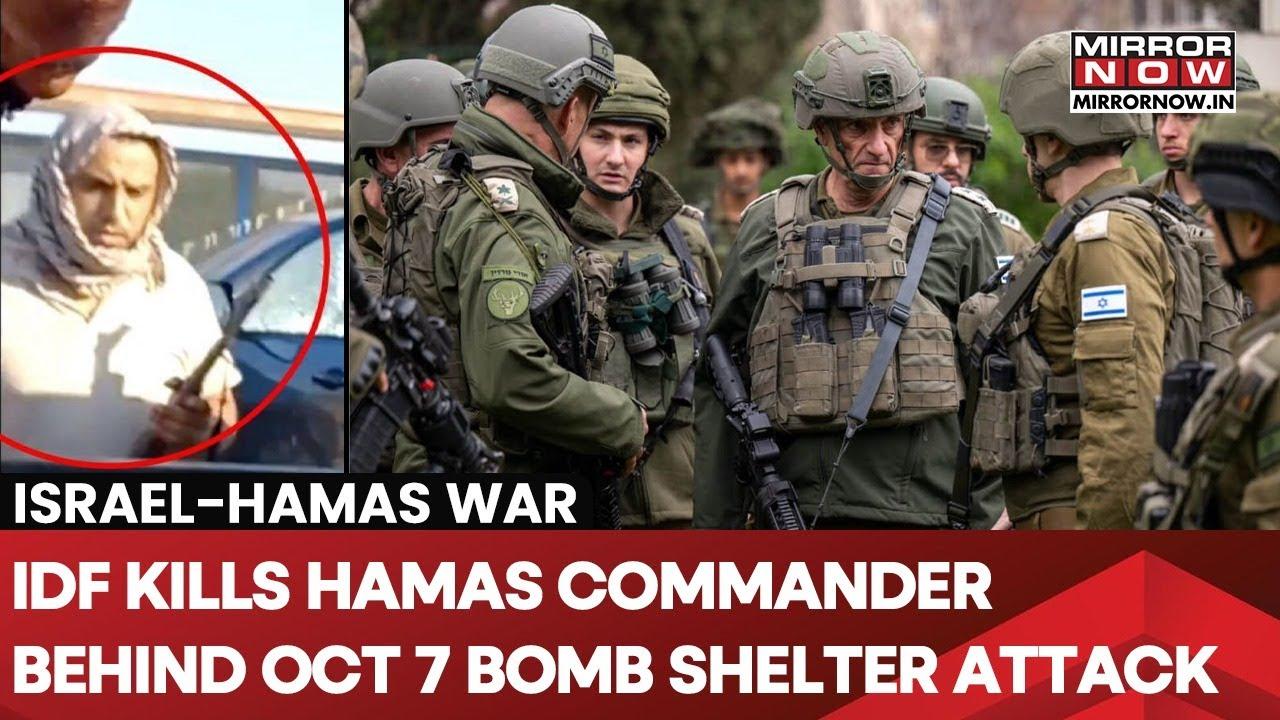
Security legal and political factors driving the exclusion and their impact on leverage and timelines
Excluding designated Nukhba operatives is shaped by layered risk assessments and statutory constraints. From a security perspective, releasing planners or commanders could reconstitute networks, compromise ongoing intelligence, and weaken deterrence. Legally, Israel’s counterterrorism framework, potential High Court scrutiny, and victims’ rights petitions impose hard guardrails on who can be traded and under what conditions. Politically, coalition stability and public trust post-past swaps create red lines that are difficult to cross, while regional interlocutors expect consistency to avoid setting precedent that could inflate future demands.
- Security risk: recidivism concerns, command-and-control regeneration, sensitive sources at stake
- Legal guardrails: counterterror statutes, court review exposure, victims’ advocacy input
- Political calculus: coalition commitments, societal red lines, messaging coherence
- Regional-diplomatic layer: mediator expectations, precedent management, alliance signaling
By ring-fencing the most sensitive category, the bargaining space narrows and leverage rebalances. Israel preserves a non-negotiable locus, while Hamas loses a high-value chip and may pivot toward extracting time-based concessions (pauses, aid corridors) or broader categories. Mediators face a tighter corridor for compromise, pushing talks toward sequenced exchanges, vetted rosters, and verification windows. The timeline elongates as each tranche demands legal preclearance, operational planning, and political sign-off, compressing flexibility but potentially increasing predictability through phased, criteria-driven implementation.
| Actor | Leverage Shift | Timeline Effect |
|---|---|---|
| Israel | Holds red line; trades on time/aid terms | Longer prep; tranche-based approvals |
| Hamas | Loss of top-tier chip; seeks broader concessions | More rounds; heavier sequencing |
| Mediators | Narrower corridor; higher process management | Extended shuttle diplomacy |
| Families | Pressure tool: public urgency | Staggered releases; uncertain pacing |
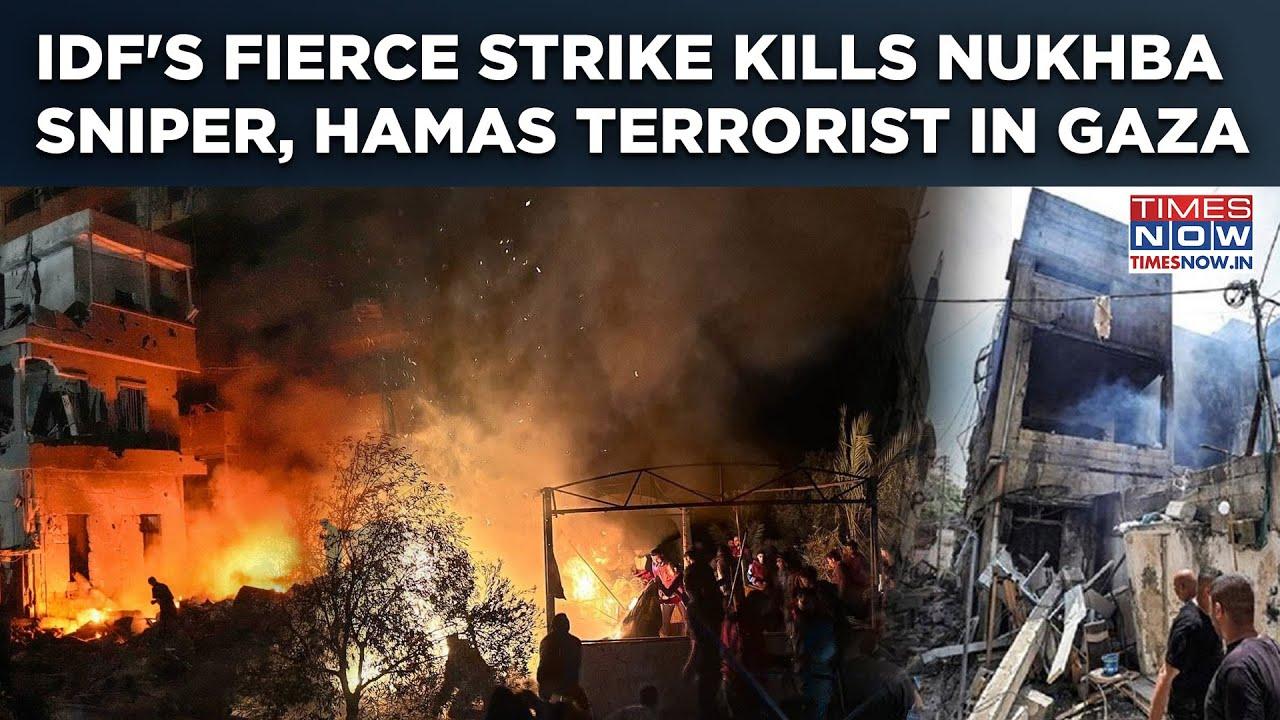
Recommendations for mediators on verification and monitoring clear detainee categories and measures to reduce reoffending
Trustworthy releases begin with a shared language and verifiable facts. Mediators can steer parties toward an auditable, rights-respecting classification matrix that distinguishes eligibility from categorical exclusions without blurring due process. Agree early on a plain‑English glossary for detainee types (e.g., juveniles, non‑violent offenders, administrative detainees, medically vulnerable) and, where parties insist, clearly stated exclusion tiers (such as individuals convicted of mass‑casualty attacks or command responsibility in organized violence). Build a multilayer verification stack-identity triangulation, charge/status confirmation, and detention‑location validation-drawing from court files, prison registries, defense counsel attestations, and neutral observers. Every decision should leave a digital audit trail with time stamps, document hashes, and a dispute‑resolution path overseen by a joint panel plus at least one independent monitor.
- Identity assurance: cross‑check biometric/biographic data, booking numbers, and independent witness logs.
- Status confirmation: certified copies of indictments, verdicts, or prosecutorial notices (including “no indictment filed”).
- Chain‑of‑custody: standardized forms for file transfer; unique case IDs to prevent substitutions.
- Neutral oversight: scheduled facility visits and remote audits by mutually acceptable organizations.
- Appeals window: fast‑track challenges with evidence thresholds and binding timelines.
- Data minimization: necessary‑only disclosures to protect privacy and reduce retaliation risk.
| Detainee category | Eligibility signal | Primary verification | Monitoring cadence |
|---|---|---|---|
| Juveniles (non‑violent) | No grave offenses | Court and social‑services records | Weekly check‑ins |
| Low‑level, non‑violent | Misdemeanor‑level conduct | Charge sheets; facility logs | Biweekly for 90 days |
| Administrative detainees | No indictment filed | Prosecutor notices; judge orders | Monthly review |
| Medical/elderly | Clinical eligibility | Independent medical panel | Care‑plan follow‑ups |
| Excluded tier | Conviction for mass‑casualty/command role | Final verdicts; sentencing files | Not applicable |
Lowering reoffending risk is a design problem-pair proportionate oversight with real pathways back into community life. Use risk‑tiered supervision and clear, time‑bound exit criteria, complemented by supports that address drivers of harm: employment placement, vocational upskilling, mental‑health care, documentation services, and family reunification. Incorporate graduated incentives and sanctions, trauma‑informed casework, victim‑safety planning, and voluntary restorative options where appropriate. Coordinate with civil society to deliver services, maintain do‑no‑harm safeguards, and measure outcomes with transparent metrics (compliance rates, program uptake, and community feedback). Above all, keep the process de‑politicized: decisions should be criteria‑led, reviewable, and consistent across cases.
- Tiered plans: curfews/check‑ins scaled to assessed risk; automatic tapering on compliance.
- Practical supports: IDs, transport stipends, job matching, and counseling within 72 hours.
- Community anchors: trained mentors and local NGOs for weekly touchpoints.
- Safeguards: no‑contact conditions, geofencing where lawful, and victim‑notification channels.
- Privacy‑aware tech: low‑intrusion digital check‑ins; data retention limits and independent audits.
- Review and exit: independent ombudsperson; release from supervision after sustained adherence.
The Conclusion
As negotiations edge forward, the stated refusal to include Nukhba members in any release underscores the narrow corridor available for compromise. Mediators will continue to test variations-sequenced exchanges, defined categories of detainees, third‑party guarantees, and verification mechanisms-yet the central tension remains: how to reconcile security red lines with the urgency of bringing captives home.
For families on both sides, timelines are measured in hours, not headlines, while political capitals weigh public pressure against strategic risk. The calculus is technical as much as it is emotional-who qualifies, under what terms, and with which safeguards-but its consequences are immediate and human.
Whether this position proves a fixed boundary or a negotiating marker will become clearer in the days ahead. For now, the map is still being drawn in pencil, with each concession, assurance, and pause determining whether the lines hold-or shift just enough-to make an agreement possible.