
Dusk settles over Gaza and the city rearranges itself. Sirens are rare now; the glow of blue lights has vanished from street corners. In their place, quiet signals ripple through neighborhoods-whistles, hand signs, the slow sweep of a flashlight beam. With the formal guardians of order missing from view, new custodians step forward: men in fluorescent vests, boys with armbands, elders with clipboards and handwritten rosters. They are volunteers, cousins, neighbors-vigilant by necessity, improvised by design.
Their presence answers an immediate need. In a landscape strained by displacement and scarcity, where disputes once routed through police stations now unfold in alleyways, these groups try to steady daily life: directing traffic at aid lines, discouraging theft, settling quarrels before they harden. Yet their rise also poses uneasy questions about authority without mandate, protection without oversight, and what accountability looks like when institutions fall silent.
This article looks at how Gaza’s informal patrols emerged, the routines they’ve built, and the boundaries they test. Through scenes from streets and shelters, it explores the fragile social bargains that hold when official systems recede-and what happens to a community when safety becomes a shared, shifting task.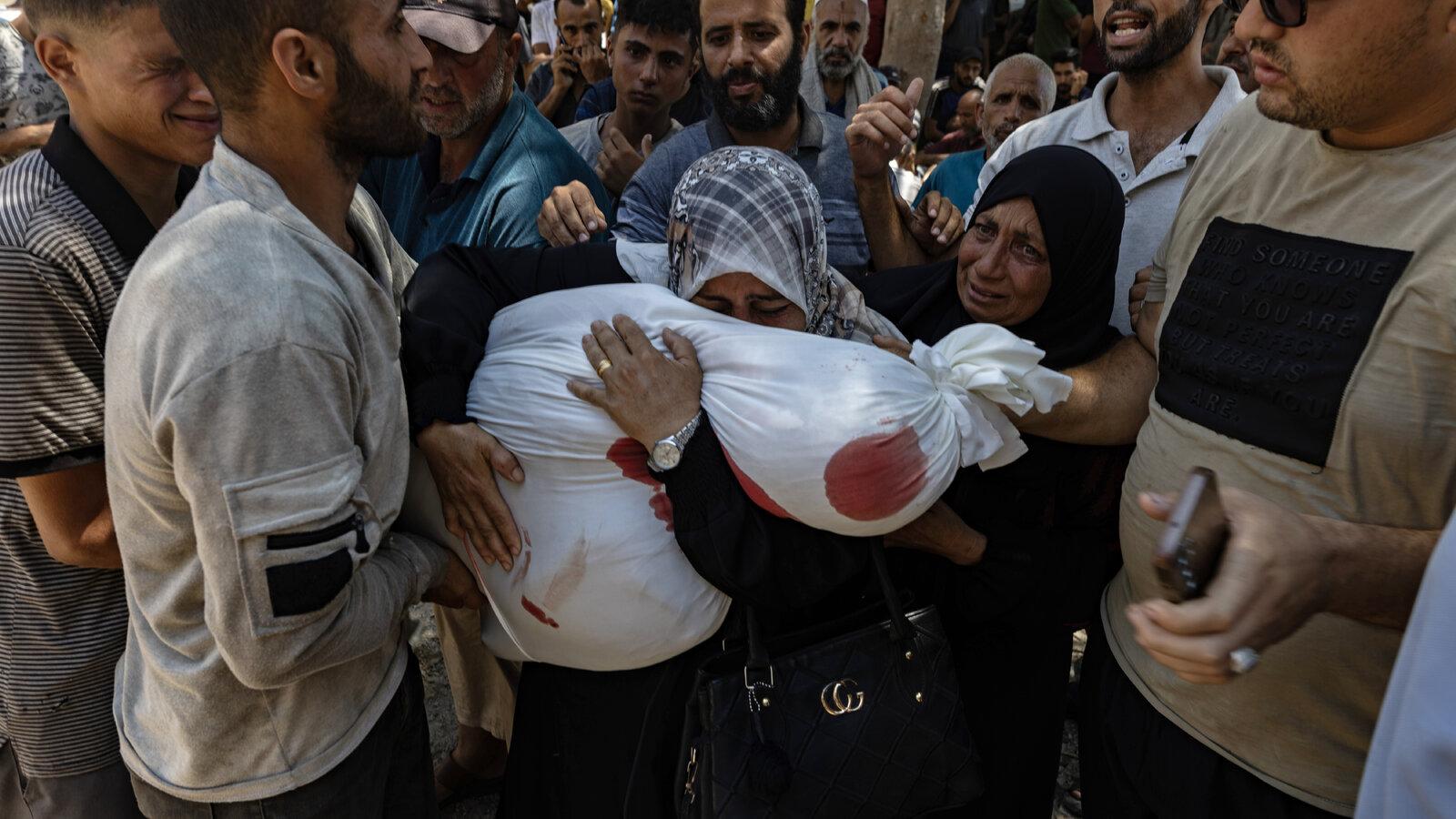
Power vacuum in Gaza and the rise of neighborhood patrols
In the vacuum left by formal law enforcement, blocks are stitching together their own safety nets. Shopkeepers, teachers, and former municipal workers rotate as informal guardians, setting up dusk-to-dawn checkpoints with flashlights and hand-painted signs. Their presence is less about authority than about predictable routines: keeping aid lines orderly, watching darkened streets, documenting incidents in notebooks when batteries run low. Improvisation is the rule-whistles, walkie‑talkies, and mosque loudspeakers form a patchwork of alerts designed to keep panic from spreading faster than rumor.
- Traffic flow: guiding vehicles around debris and collapsed lanes
- Aid queues: separating families, elderly, and medical cases
- Perimeter watch: deterring theft from shuttered shops and homes
- Mediation: cooling disputes before they turn into neighborhood feuds
| Signal | Meaning | When Used |
|---|---|---|
| 2 flashlight taps | All clear | Team handoff |
| 1 long whistle | Stop / Check | Queue control |
| Red cloth on rope | Hazard | Unstable street |
| Chalk “X” + time | House checked | Perimeter sweep |
Without badges or statutes, these groups walk a narrow line between community care and coercion. To protect their fragile legitimacy, some adopt simple safeguards that travel well in low‑tech conditions: visible identifiers, shared logs, and a bias for de‑escalation. They coordinate with clinic volunteers when possible and step back when aid convoys arrive to avoid mixed signals. The goal is modest-stability by consent-until formal institutions return.
- Transparency: public shift rosters posted at water points
- Accountability: incident notes co-signed by a second patrol
- Boundaries: no weapons at aid sites; no home entries without a neighbor witness
- Handoffs: relay verified information to clinic and relief teams
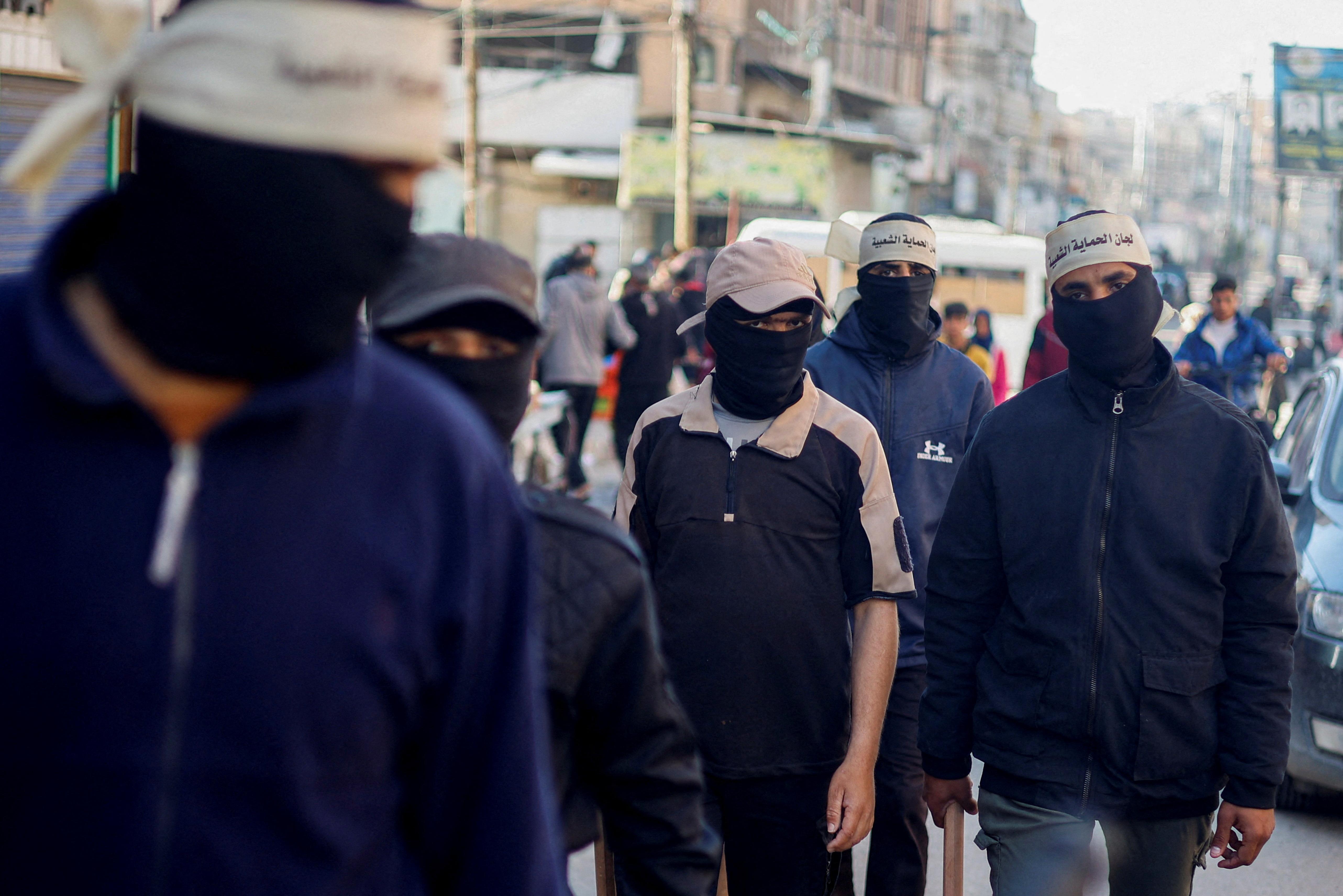
Mapping the fallout hotspots, dispute triggers, and impacts on daily life and aid delivery
In the vacuum left by formal policing, the city’s map has been redrawn by scarcity and rumor. Lines at bakeries turn into pressure corridors, water trucks into moving frontiers, and intersections into contested choke points where neighborhood patrols negotiate passage and pride. Patrol routes are improvised, shifting with generator fuel and the latest whispers on encrypted chats; mediation happens in clinic courtyards and at mosque gates, where elders, traders, and self-appointed wardens broker fragile truces. The most volatile spaces are not always loud-sometimes it’s the hush before a delivery, the cluster of phones refreshing for news of flour, the moment a queue buckles when someone is accused of cutting.
- Hotspot patterns: food queues, fuel depots, water taps, crossroads near markets.
- Dispute triggers: scarcity spikes, queue disputes, identity checks, rumor cascades.
- Social fault lines: neighborhood loyalties, aid-list eligibility, perceived favoritism.
- Visible markers: ad hoc barricades, spray-painted rules, rotating armband patrols.
| Zone | Peak Time | Trigger | Immediate Effect |
|---|---|---|---|
| Water Points | Early Morning | Low Tanker Volume | Queue Fractures |
| Bakery Lines | Noon | Price Rumors | Pushed Barriers |
| Main Crossroads | Late Afternoon | Route Closures | Standoffs |
| Shelter Gates | After Dusk | Access Disputes | Gatekeeping |
Daily life bends around these stress points. Families stagger errands to avoid flash crowds; market hours shift to the margins of daylight; clinics double as conflict-cooling rooms where nurses triage tension alongside wounds. Aid delivery is a choreography of patience, with convoys pausing at informal tolls, documents rechecked by rotating committees, and loads sometimes reallocated on the curb to defuse spirals. Every rumor of a shipment redraws the evening, every stalled truck reorders a neighborhood’s chores. The city functions-fitfully-through negotiated pauses and the brittle authority of those who can hold a line without breaking it.
- Everyday ripple effects: longer commutes, night curfews by block, shared cooking to stretch fuel.
- Aid friction points: ad hoc escorts, reweighing at stops, last‑meter disputes over lists.
- Household adaptations: barter for staples, rotating guardians for queues, pooled phone charging.
- Service delays: clinics short on staff, trash pickup sporadic, schools doubling as depots.
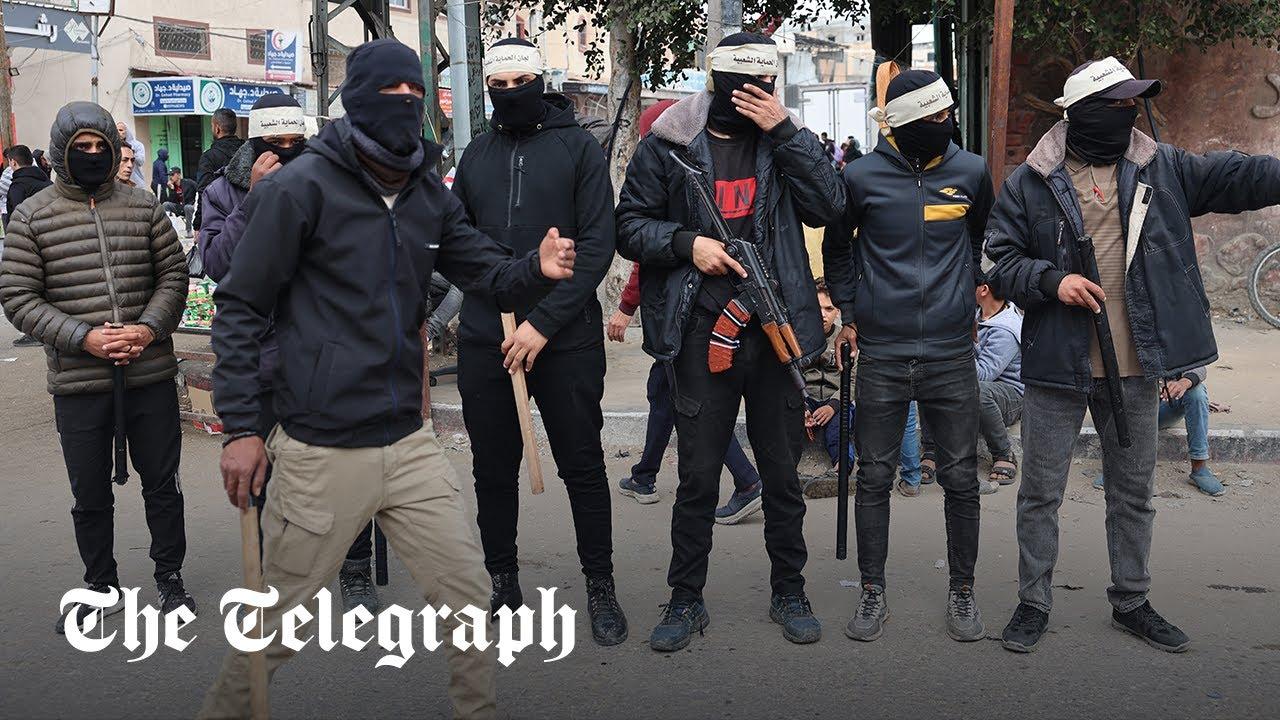
Immediate safety measures curfew windows, whistle alerts, protection desks for women and children, and strict nonlethal protocols
As informal patrols fill the gap, neighborhoods are sketching short, timed quiet hours to shrink the risk of confrontations and give families predictable rest. Simple, shared whistle codes carry across alleys when phones die: one sustained tone to assemble at the nearest lit corner, three sharp bursts to shelter in place, alternating blasts to flag a medical need. Volunteers pin these basics on shop doors, repaint curbstones to mark safe corridors, and use low-glare lights to guide movement without inviting attention. The goal is practical calm: visible rules everyone understands, and signals that move people, not tempers.
- Quiet-hour windows: posted by block; movement paused except for emergencies.
- Whistle codes: printed and sketched; same set used across adjacent streets.
- Escort paths: reflective arrows toward clinics, schools, and water points.
- Check-in corners: brightly marked spots for roll calls and reunions.
| Cue | Meaning | Go/Do |
|---|---|---|
| 1 long whistle | Group up | Nearest lit corner |
| 3 short whistles | Take cover | Closest indoor room |
| Alternating blasts | Medical help | Signal a medic (blue armband) |
| Blue ribbon | Support desk ahead | Clinic or school gate |
| White cloth | Safe corridor | Follow directional arrows |
Dedicated support desks for women and children operate from clinics and mosque courtyards, staffed by vetted neighbors, midwives, and teachers in visible vests. Here, the emphasis is on nonviolent rules of engagement: talk first, keep distance, shield not strike. Patrols carry flashlights, whistles, first-aid kits, and logbooks-not weapons-and work in pairs for accountability. Every interaction is recorded in time-and-place notes, with an on-call mediator to defuse disputes and a rapid handoff to medical volunteers when needed. Clear boundaries protect dignity: private waiting spaces, female-led escorts after dusk, and a zero-tolerance policy on threats, reprisals, or forced relocations.
Accountability and legitimacy community liaison councils, incident reporting hotlines, and coordination with neutral humanitarian monitors
With formal policing absent, neighborhood committees in Gaza can cultivate legitimacy by opening their decision-making to public scrutiny and by anchoring their authority in community consent rather than force. Rotating community liaison councils-with seats reserved for women, youth, elders, and traders-can publish short, plain-language charters, hold open curbside briefings, and record attendance and objections. A simple conflict-mediation panel and a duty roster for night patrols, paired with visibility rules (marked vests, body-worn identifiers), can turn ad‑hoc patrols into accountable stewards. Transparent logs, multilingual signage, and weekly feedback huddles in markets or clinics help ensure that informal guardianship remains a temporary, auditable bridge-not a parallel power structure.
- Open rosters: public lists of names, shifts, and patrol zones
- Community veto: residents can challenge appointments or routes
- Recordkeeping: timestamped notebooks stored at neutral sites
Reliable incident reporting hotlines-SMS, WhatsApp, and radio-should be lightweight, multilingual, and privacy‑aware, with clear categories: theft, missing persons, medical, and disturbances. Each report receives a unique case ID, a time-to-first-response target, and a pathway for escalation to neutral humanitarian monitors for verification and de-escalation. Shared rules of engagement, co-signed by local leaders and monitors, can prohibit weapons brandishing, collective punishment, and property searches without witness. Weekly anonymized dashboards-numbers of calls, outcomes, pending cases-maintain situational awareness and deter abuse.
- Trusted channels: short codes, radio call signs, clinic drop-boxes
- Protection-by-design: no caller metadata kept beyond case ID
- External eyes: monitors observe, audit logs, and flag patterns
| Mechanism | Purpose | Contact | Safeguard |
|---|---|---|---|
| Liaison Council | Community oversight | Weekly market forum | Rotating seats |
| Hotline Hub | Report & triage | SMS short code | Case IDs only |
| Monitor Desk | Neutral verification | Clinic helpdesk | Public audits |
To Wrap It Up
In places where the state recedes, authority rarely vanishes; it changes shape. In Gaza, patrols without badges have become landmarks of the night, sketching new boundaries with flashlights and quiet instructions. For residents, routine now includes a nod at an ad hoc checkpoint, a slower walk past corners that used to be familiar, and a reliance on names and faces rather than uniforms. The map of safety is redrawn with each rumor, each generator’s hum, each street where someone decides to stand watch.
How long these improvised arrangements last-and what they leave behind-remains unsettled. When institutions reappear, they will find a public that has been busy surviving, negotiating trust in low light. Between urgency and uncertainty, a fragile etiquette governs the streets, held together by caution, proximity, and the hope that order, when it returns, will remember who kept the lights on.